
Last updated October 16, 2026
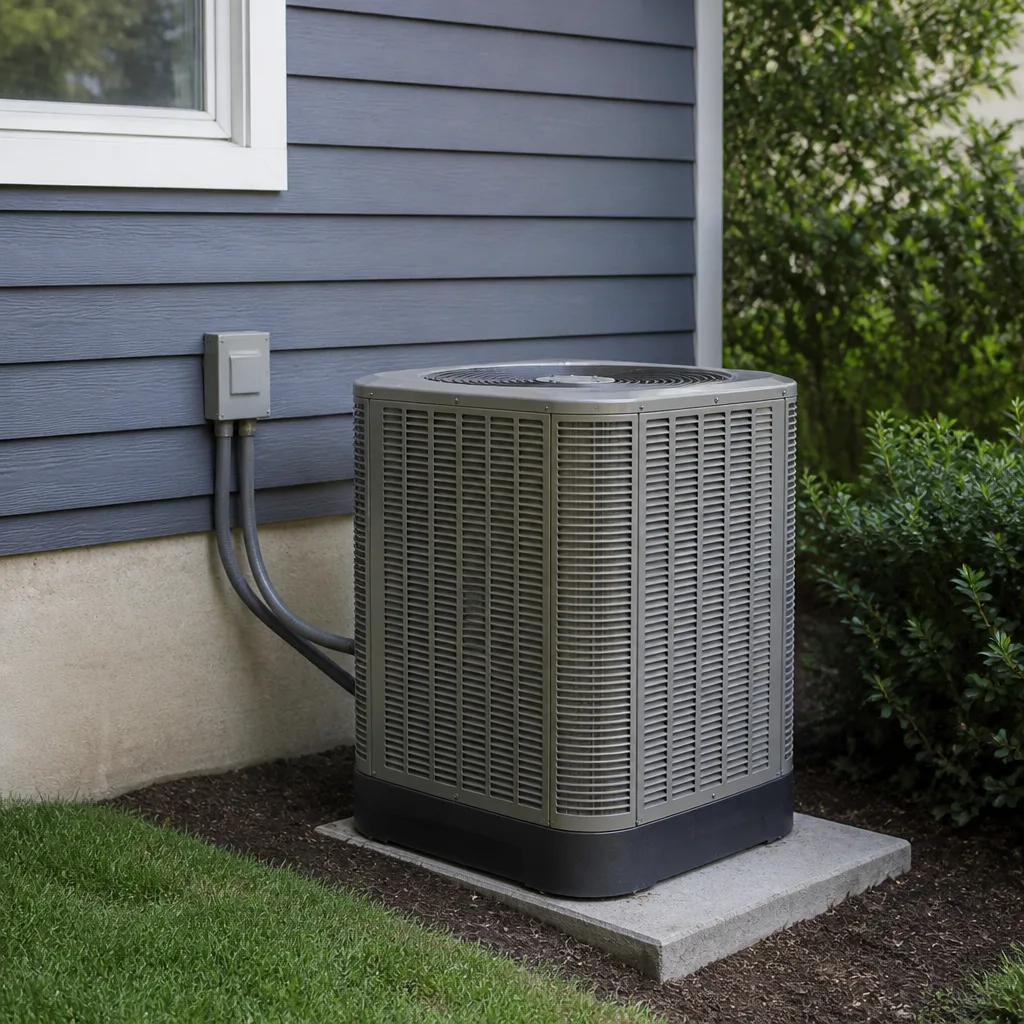 AC repair
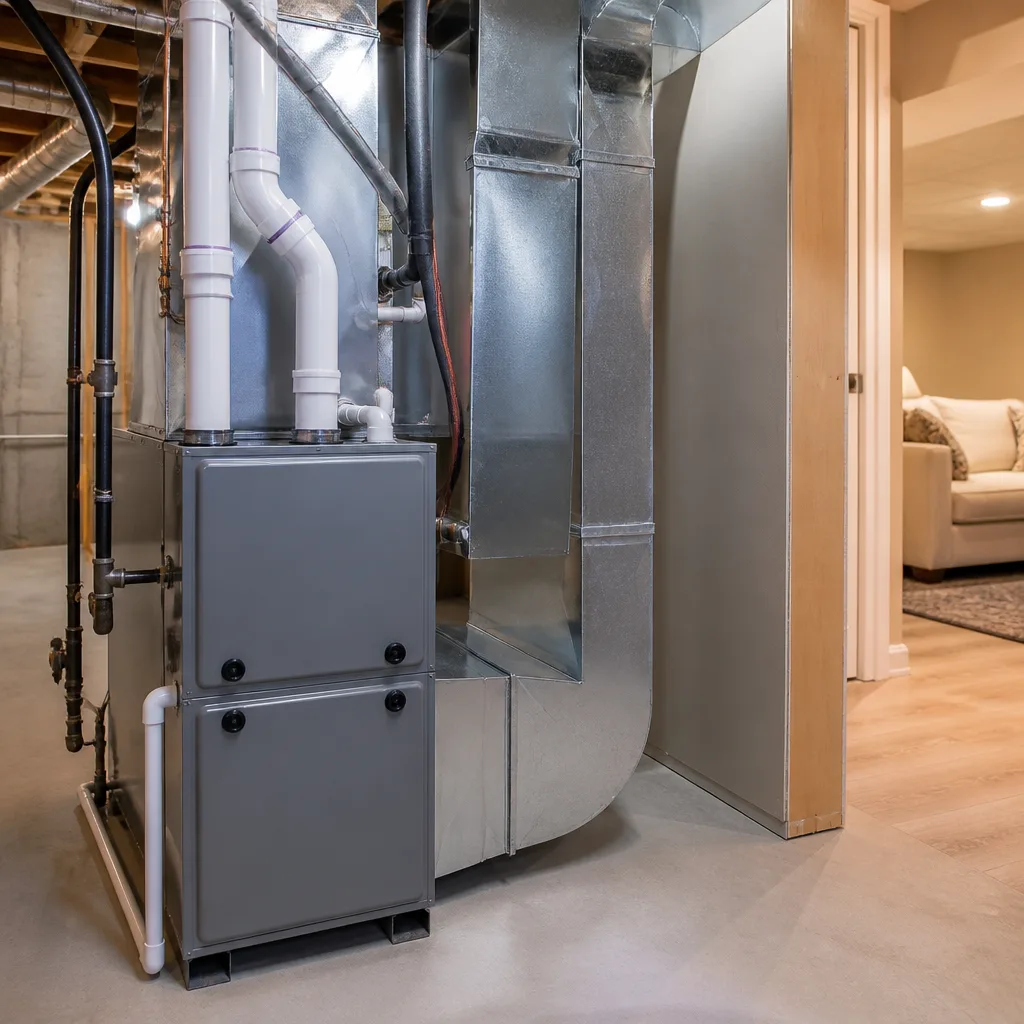 Furnace & heating
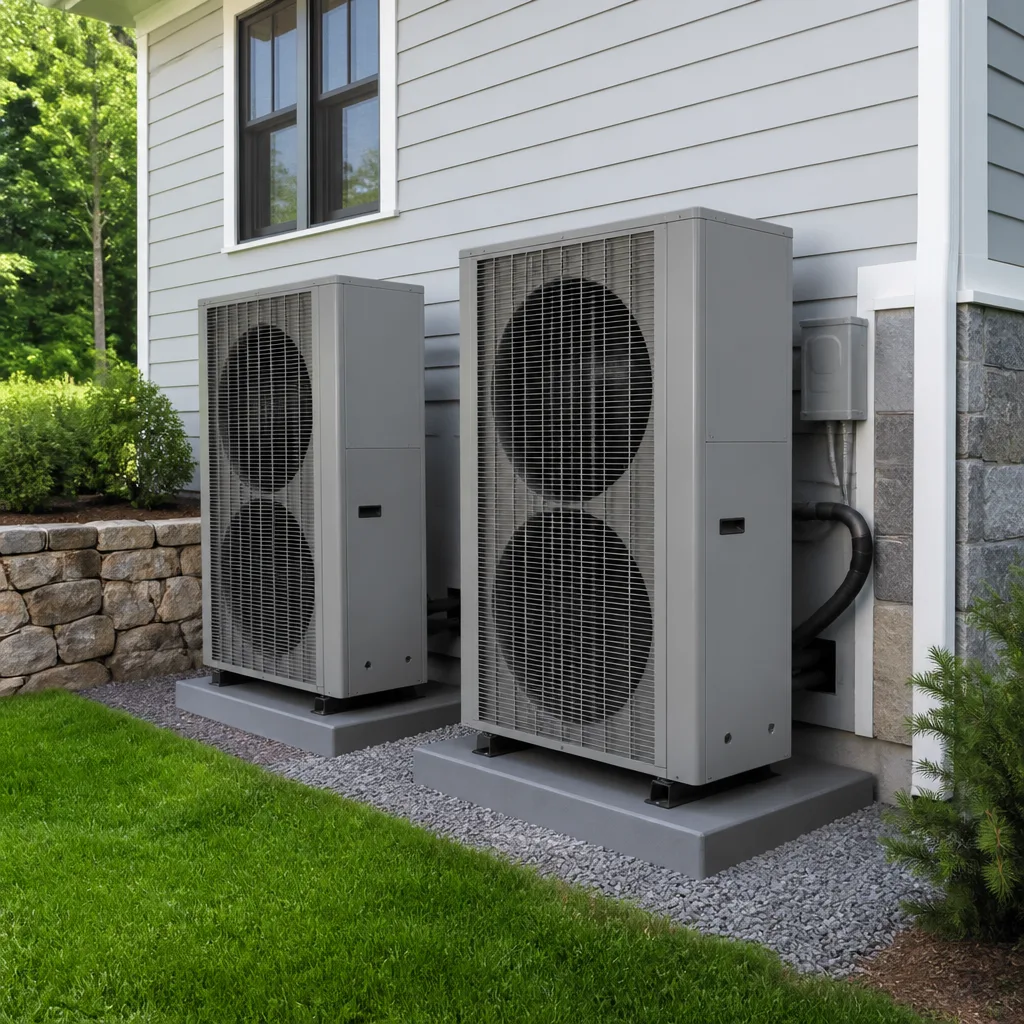 Heat pumps
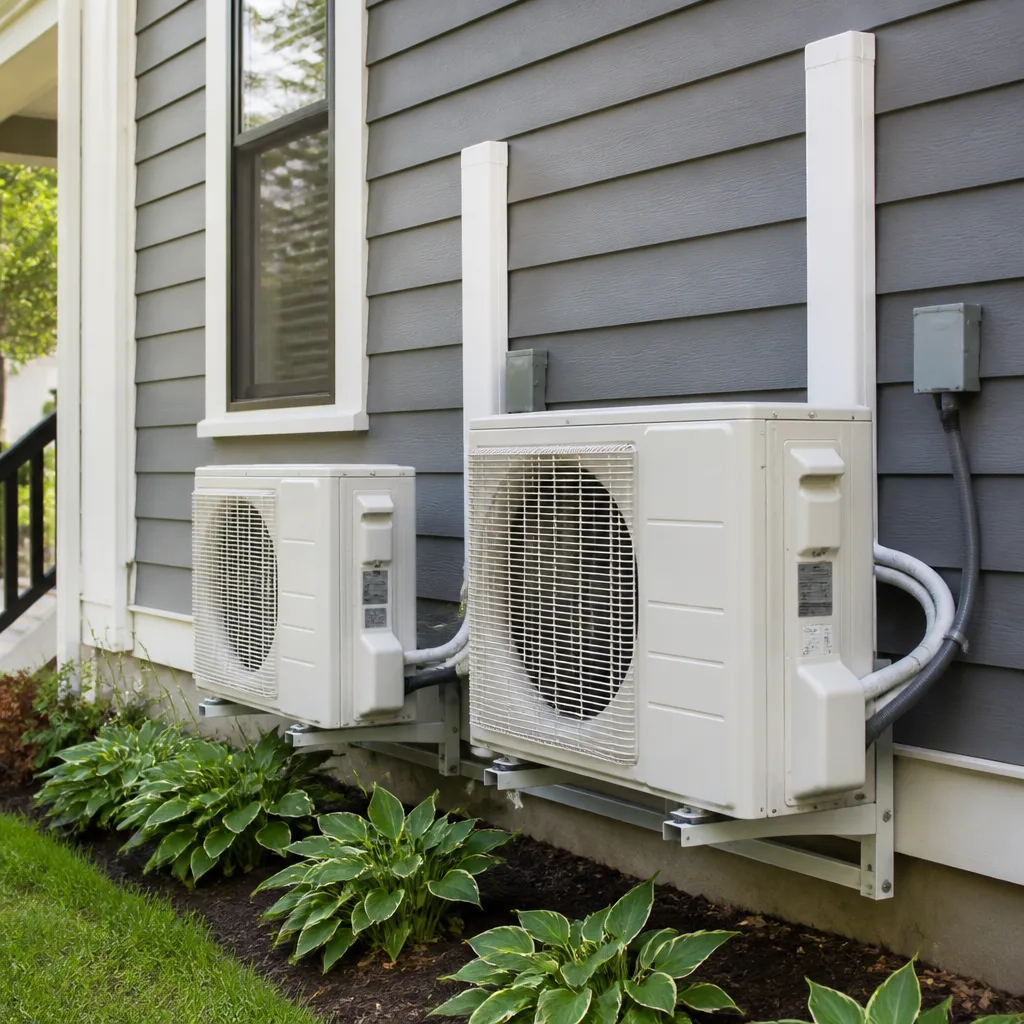 Ductless mini splits
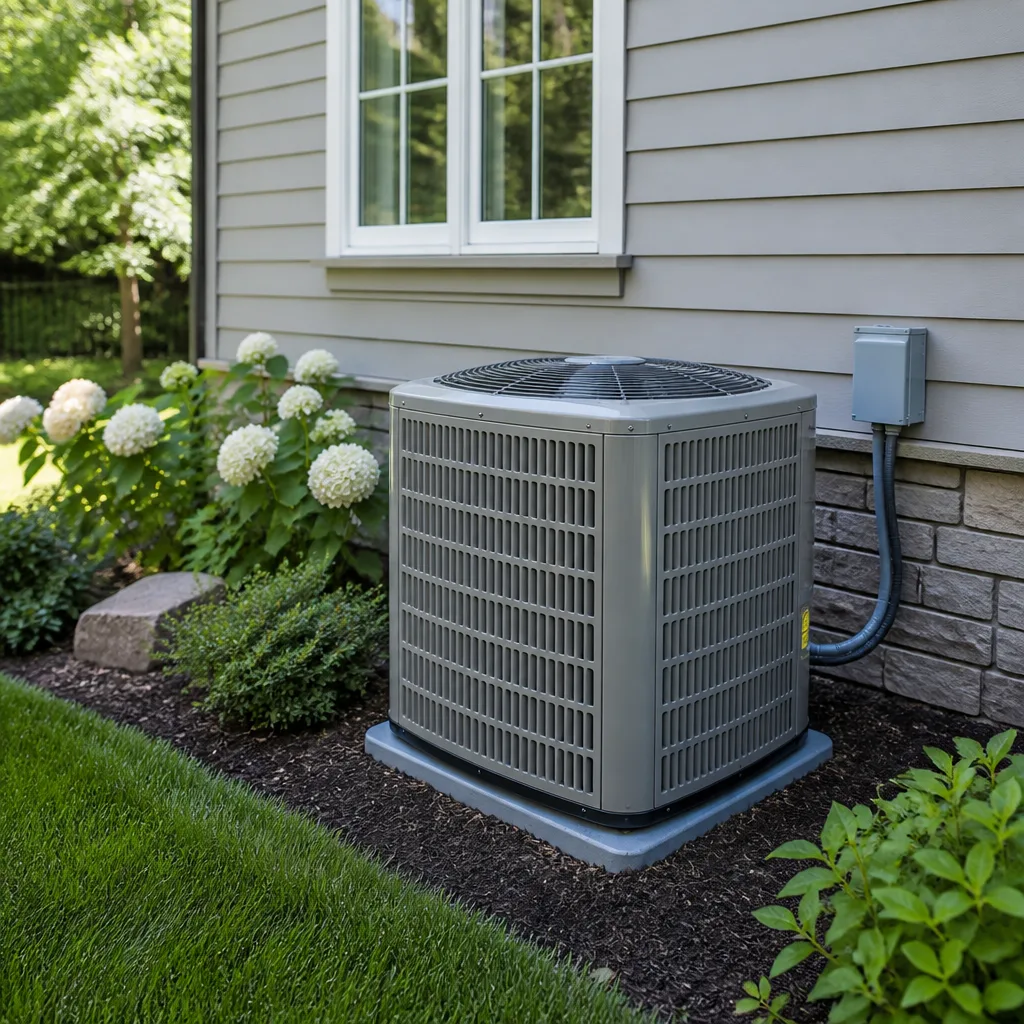 Carrier
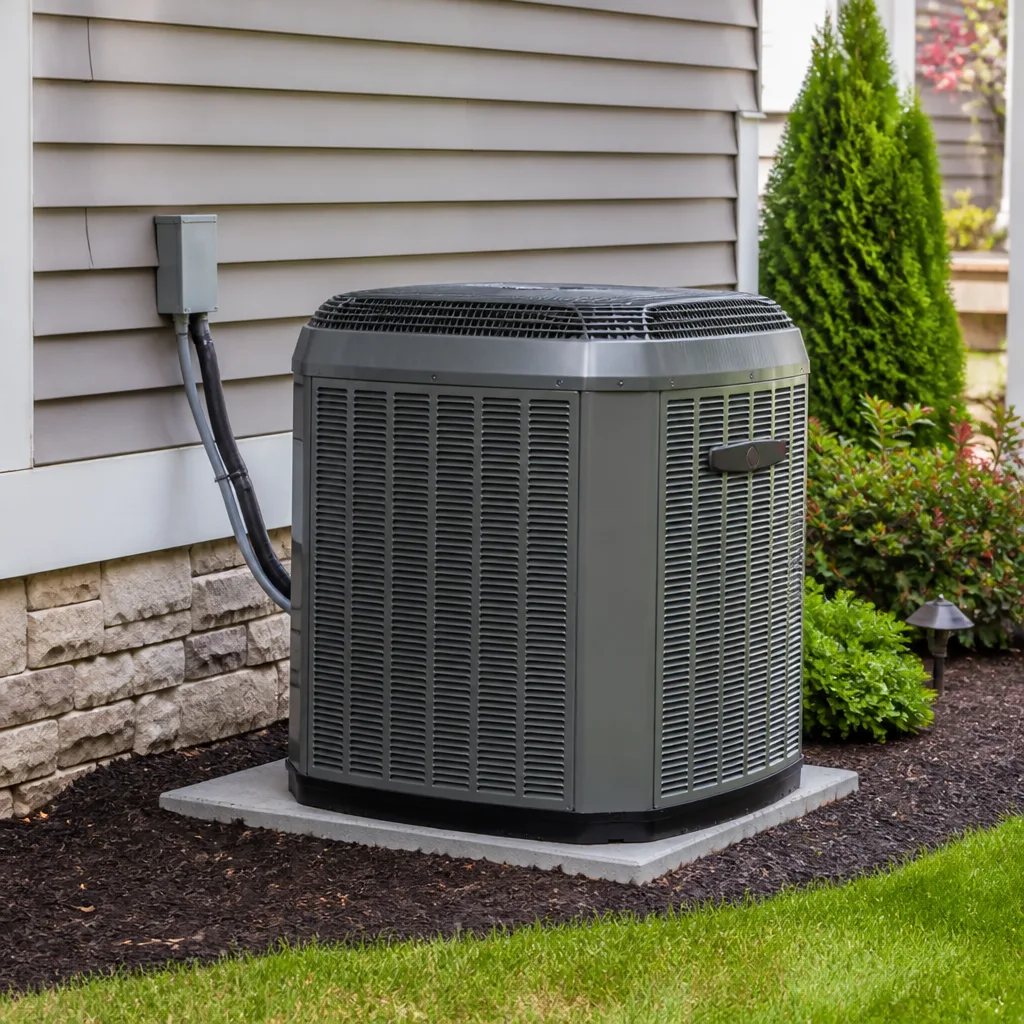 Trane
Trane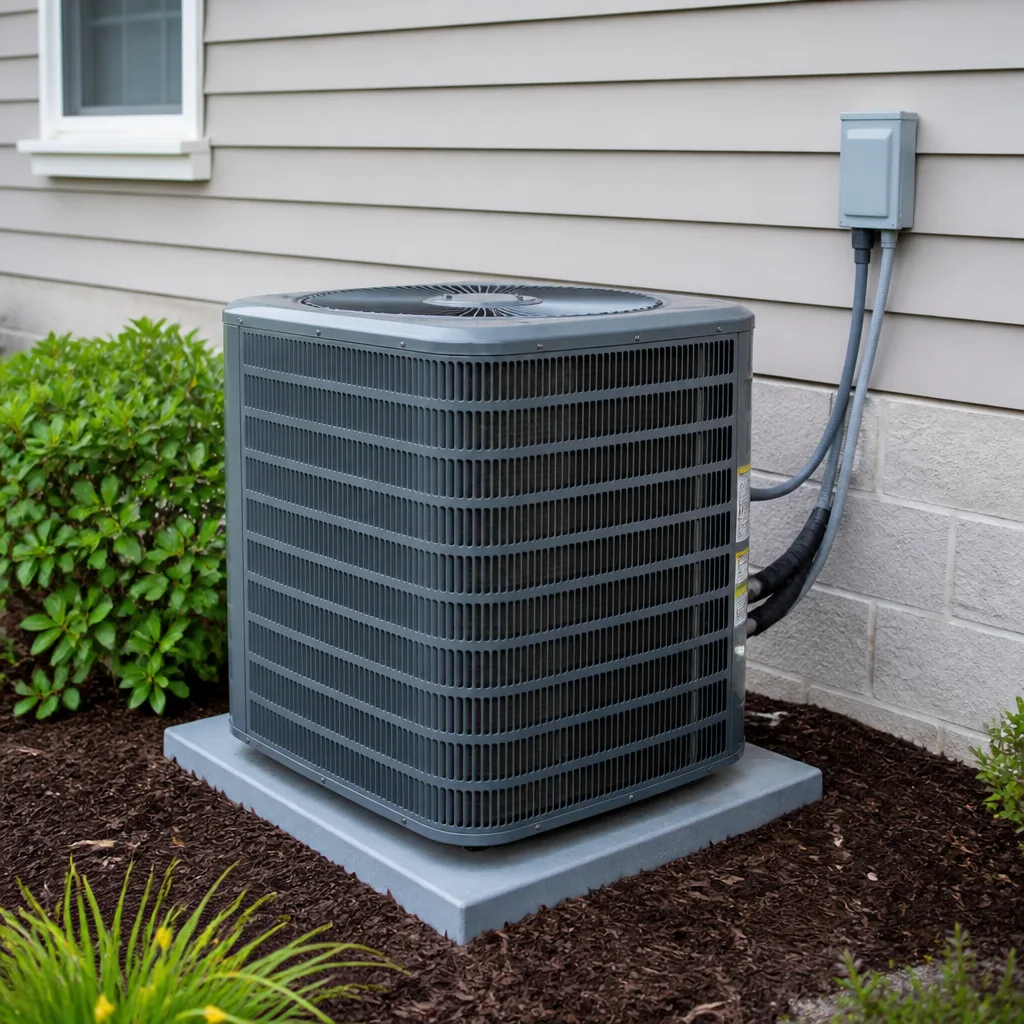 Goodman
Seasonal tune-up and full diagnostic on your Carrier, Trane, or Goodman system - readings shown to you before any repair is proposed
Diagnosis first, numbers second - you approve the repair price before a single part goes in.
Get your free estimateDIY vs Professional HVAC: The Alpharetta Homeowner’s Decision Guide
Here’s a number most Alpharetta homeowners don’t know: handling refrigerant without an EPA Section 608 certification is a federal violation with fines up to $44,539 per day. Yet “how to recharge home AC” gets millions of searches every year, which means a lot of people are buying refrigerant kits without realizing they’re crossing a legal line. This guide exists because the DIY-versus-professional question isn’t a binary choice. There’s a clear, defensible line between what you should handle yourself in Alpharetta and what belongs in the hands of a licensed technician. By the end, you’ll know exactly where that line is, what it costs on both sides, and how to save real money without risking your warranty, your insurance coverage, or your family’s safety. For more guides & resources, see our full blog.
Quick Answer
Alpharetta homeowners can safely DIY routine maintenance tasks like filter changes, thermostat programming, condensate line flushing, and clearing debris from the outdoor unit. Anything involving refrigerant, electrical components, heat exchangers, or duct sealing should be handled by a licensed professional, because DIY attempts in those areas can void manufacturer warranties, violate Georgia code, and create federal refrigerant violations with fines up to $44,539 per day.
Styles & brands we work with
Table of Contents
- DIY-Safe Tasks: What Alpharetta Homeowners Can Handle
- Professional-Only Work: The Lines You Cannot Cross
- How DIY Work Voids Warranties: The Manufacturer Language
- Georgia Code, Insurance, and the Legal Side of DIY
- The Real Cost Comparison: DIY Savings vs. DIY Mistakes
- Using DIY Observation Skills to Reduce Diagnostic Time
- Common Mistakes to Avoid
- When to Call a Professional
- Frequently Asked Questions
DIY-Safe Tasks: What Alpharetta Homeowners Can Handle
There’s a meaningful chunk of HVAC maintenance that Alpharetta homeowners can do themselves, and doing it well genuinely extends equipment life. These are the tasks we tell our own neighbors to handle without hesitation, because they’re low-risk, they don’t require specialized tools, and they don’t interact with sealed systems or live electrical components.
Here’s the complete list of DIY-safe HVAC tasks for Alpharetta homes:
- Air filter replacement: Every 30 to 90 days, depending on filter type and household factors like pets and allergy concerns. This is the single highest-impact DIY task you can do, and it takes under five minutes.
- Thermostat programming: Setting schedules, adjusting temperature setbacks, and learning your system’s modes. If you want to install a new smart thermostat, that’s usually DIY-safe with a low-voltage system, but if you have a communicating system with proprietary wiring, call a professional.
- Condensate line flush: Pouring a cup of white vinegar down the condensate drain line every month during cooling season prevents algae growth and clogs, which are common in Alpharetta’s humid summer climate.
- Outdoor unit debris clearing: Removing leaves, grass clippings, and pollen from the area around the condenser. Alpharetta’s spring pollen season is intense, and a clogged coil can cut efficiency by 15% or more.
- Register and vent inspection: Making sure supply vents aren’t blocked by furniture, rugs, or curtains, and confirming return vents are unobstructed.
- Visual inspection: Looking for ice on refrigerant lines, water pooling near the indoor unit, or unusual noises. You’re not fixing anything here; you’re gathering information to share with a technician.
One thing worth stating plainly: none of these tasks require opening the sealed refrigerant system, touching capacitor terminals, or working inside the electrical panel. That’s the line, and it’s there for good reason.
Professional-Only Work: The Lines You Cannot Cross
Now for the other side of the line. These are the tasks that require a licensed professional in Alpharetta, and the reasons aren’t just about skill level. They’re about legality, warranty protection, and physical safety. If you’re not sure how to choose one, read our How to Hire a HVAC Contractor in Alpharetta: A Step-by-Step Guide.
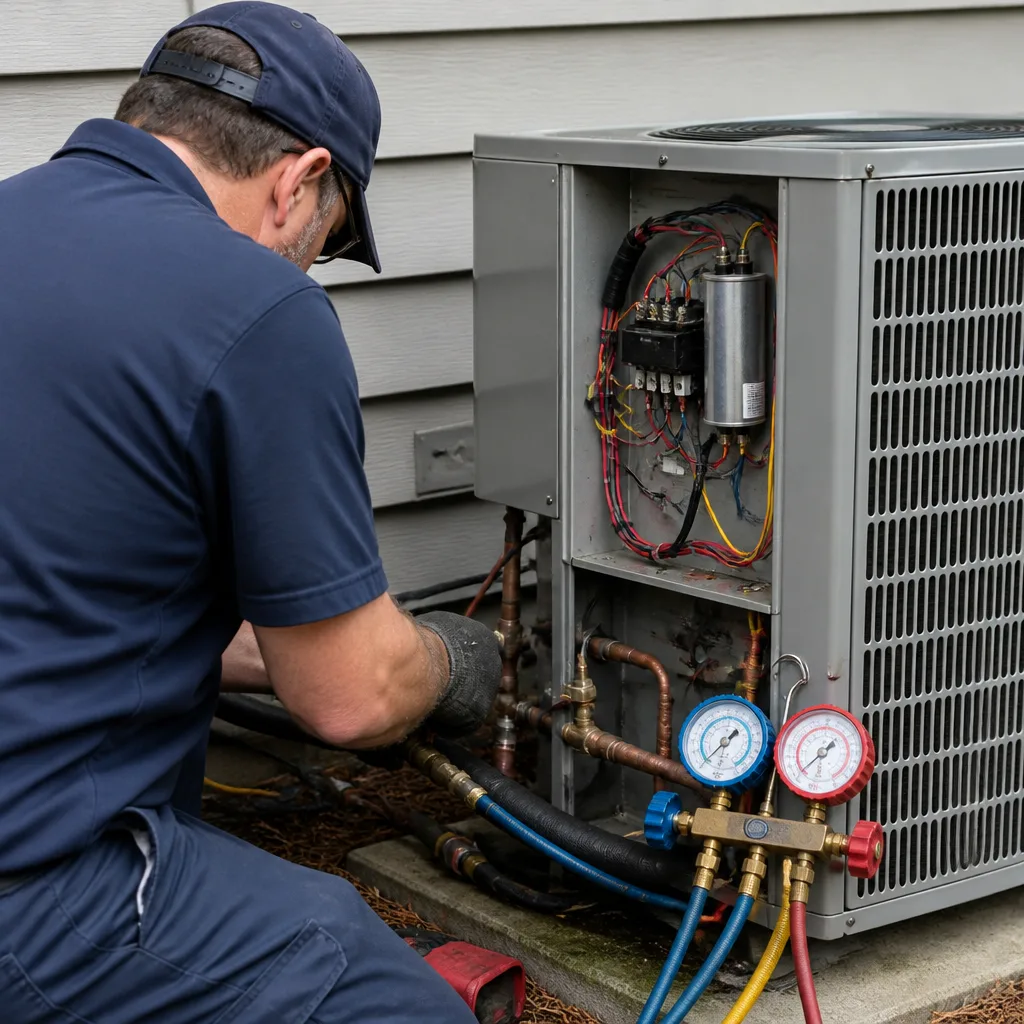
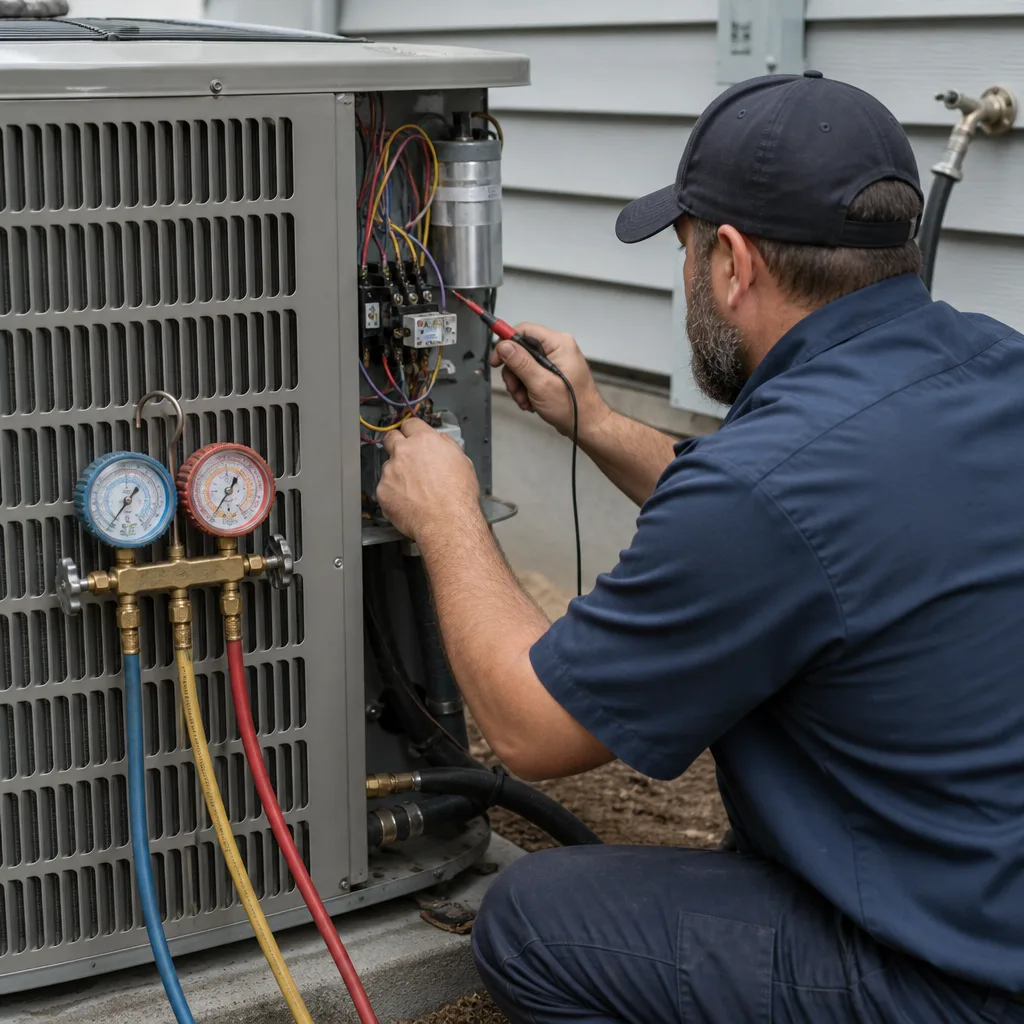
Refrigerant work of any kind: Adding refrigerant, recovering refrigerant, finding and repairing leaks, or replacing a refrigerant line. This requires an EPA Section 608 certification, which involves passing a proctored exam. The certification exists because refrigerant releases damage the ozone layer and contribute to climate change. Buying a refrigerant kit at an auto parts store and using it on your home AC isn’t just against federal law, it’s genuinely dangerous for the system itself. Overcharging a system by even a few ounces can destroy a compressor.
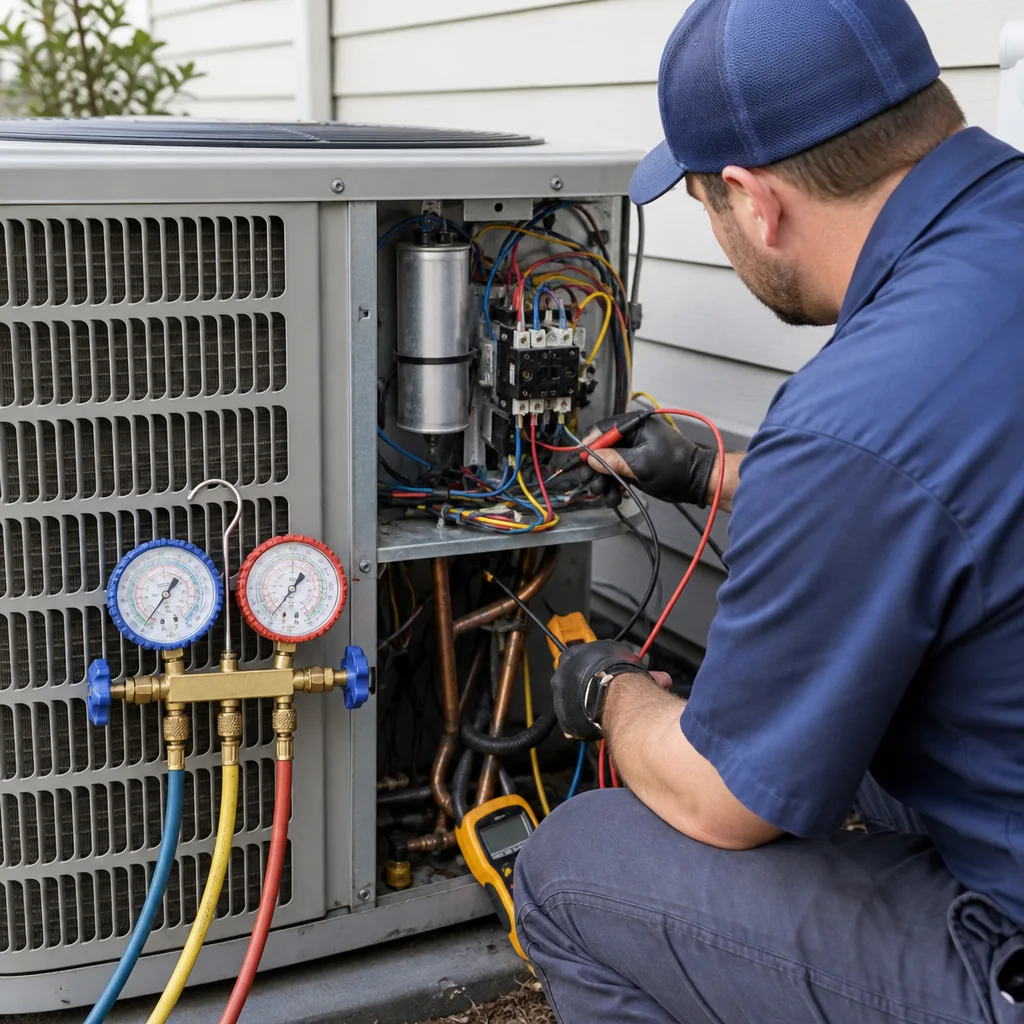
Electrical component work: Capacitors, contactors, relays, control boards, and wiring. A capacitor can hold a charge of 370 to 440 volts even when the power is off at the breaker. Discharging one improperly can cause a serious shock or burn. This isn’t a matter of watching a YouTube video and being careful; it’s a matter of knowing what you don’t know.
Heat exchanger inspection: On a gas furnace, the heat exchanger is the metal chamber that separates combustion gases from the air blowing through your home. A cracked heat exchanger can leak carbon monoxide into living spaces, which is odorless and potentially fatal. Inspection requires a combustion analyzer and specific training, not just a visual check.
Duct sealing and modification: Proper duct sealing requires understanding static pressure, airflow balance, and how changes to one section of ductwork affect the whole system. Botched duct modifications cause comfort problems that can take hours to diagnose and cost more than the original repair.
How DIY Work Voids Warranties: The Manufacturer Language
Most Alpharetta homeowners don’t realize their HVAC equipment carries a manufacturer warranty that spans 5 to 10 years on parts, and sometimes longer on heat exchangers and compressors. What they also don’t realize is how specific the warranty language is about who performs the work.
Here’s what common manufacturer warranty documents actually say, paraphrased from the language used by brands like Carrier, Trane, Lennox, and Rheem: the warranty covers defects in materials and workmanship, but only if the equipment is installed and serviced by a licensed professional. Any service, repair, or modification performed by an unlicensed individual voids the warranty on the affected components. In some cases, it voids the warranty on the entire unit.
That’s not a scare tactic. That’s the actual contractual language. A homeowner who replaces a capacitor themselves and later has a compressor failure may find the compressor warranty denied because the equipment’s service history includes unauthorized work. The manufacturer doesn’t need to prove the DIY repair caused the failure; they just need to show the warranty terms were violated.
We service equipment from nine brands, including Rheem, York, Daikin, and Bryant, and the warranty language is consistent across all of them. The only variation is how strictly each manufacturer enforces it. Some are lenient; some are not. You don’t want to find out which one you have after a $3,000 compressor fails.
Georgia Code, Insurance, and the Legal Side of DIY
Georgia requires a state-issued conditioned air contractor’s license for any mechanical work that involves installing, repairing, or altering HVAC systems. This licensing requirement exists in the Official Code of Georgia Annotated, and it applies to paid work. What many Alpharetta homeowners don’t consider is the insurance angle.
Here’s the scenario nobody plans for: you attempt a DIY repair on your furnace or AC, something goes wrong, and the result is property damage. A water leak from a condensate line you accidentally dislodged. An electrical short that damages a control board. A refrigerant release that contaminates drywall. Your homeowner’s insurance company gets involved, and during the claim review, the adjuster asks who performed the repair. When the answer is “the homeowner,” the claim can be denied on the grounds that unlicensed, unpermitted work caused the damage.
This isn’t theoretical. Insurance policies typically contain language requiring repairs to be performed by licensed professionals when the work requires a license under state or local law. Georgia’s HVAC licensing requirement means a DIY repair that causes damage may not be covered, and the homeowner is left with the full cost of remediation.
The same logic applies to permitted work. Major HVAC replacements in Alpharetta often require a mechanical permit, and the permit must be pulled by a licensed contractor. An unpermitted installation can complicate a future home sale, since disclosure forms ask about unpermitted work. Learn more in our guide to HVAC Permits, Codes & Inspections in GA: What You Need to Know.
The Real Cost Comparison: DIY Savings vs. DIY Mistakes
Let’s talk about actual dollars saved versus actual dollars risked, because this is where the math gets illuminating. For a detailed look at pricing, see our HVAC Cost Breakdown: The Alpharetta Homeowner’s Reference for 2026.
The DIY savings that’s real: Filter changes. If you replace a standard 1-inch filter every 90 days at $10 to $15 per filter, that’s $40 to $60 per year. Over five years, you’re looking at $180 to $240 in filter costs, and you’re doing the work yourself in about five minutes per change. That’s a genuine, repeatable savings with no meaningful risk.
The DIY mistake that’s expensive: Capacitor replacement. A capacitor costs $15 to $40 at a supply house. But the YouTube tutorial doesn’t show you how to properly discharge the stored voltage, or what happens when you install a capacitor with the wrong microfarad rating. The result: a burned-out compressor, which costs $2,500 to $4,000 to replace. Or the capacitor itself fails shortly after because it was the wrong spec, and you’re now paying $250 to $400 for a professional diagnostic and replacement, plus the original $15 to $40 you spent on the part that didn’t solve the problem.
The refrigerant mistake that’s illegal and expensive: A DIY refrigerant recharge with a can from an auto parts store costs $40 to $60. If you overcharge the system and destroy the compressor, that’s $2,500 to $4,000. And if the EPA becomes aware of the refrigerant handling violation, the fine is up to $44,539 per day, per violation. The economics don’t work.
Here’s the honest comparison in table form:
| Task | DIY Cost | Professional Cost | DIY Risk |
|---|---|---|---|
| Filter replacement (5 years) | $180-$240 | $600-$900 (with service visits) | None |
| Condensate line flush (monthly) | $3/month in vinegar | $75-$150 per service | Minimal |
| Capacitor replacement | $15-$40 (part) | $250-$400 (installed) | High: electrical shock, compressor damage |
| Refrigerant recharge | $40-$60 (kit) | $150-$350 (with leak check) | Federal fines, compressor destruction |
| Heat exchanger inspection | N/A | $89-$150 (as part of tune-up) | Carbon monoxide exposure if missed |
The pattern is clear: the cheap tasks are safe to DIY, and the expensive tasks are the ones where DIY creates the biggest downside. Your time and money are better spent on the tasks where you can’t create a problem, and on learning to describe problems accurately when you do call a professional.
Using DIY Observation Skills to Reduce Diagnostic Time
Here’s a genuinely useful skill that doesn’t require any tools: learning to observe and describe your HVAC system’s behavior precisely. When you call an HVAC company in Alpharetta, the dispatcher or technician will ask you questions. The more specific your answers, the faster the diagnosis goes, and the less time you pay for.
Here’s a step-by-step approach to gathering useful diagnostic information before you call:
- Listen before you call: Is the system making a specific sound? A humming that doesn’t turn into a start is often a capacitor issue. A rattling sound might be a loose panel or a failing motor bearing. A hissing sound near the indoor unit could be a refrigerant leak. Write down what you hear and where it’s coming from.
- Smell with intention: A musty smell from the vents often means biological growth in the evaporator coil or ductwork. A burning smell that goes away after a few minutes might be dust burning off a heat exchanger at the start of heating season. A persistent burning or electrical smell is an emergency that warrants immediate attention.
- Read the thermostat data: If you have a smart thermostat, look at runtime history. Is the system short cycling, running for five minutes then shutting off and repeating? That’s a specific pattern that points to an oversized system, a refrigerant issue, or a failing component. Is it running constantly and not reaching the set temperature? That’s a different problem entirely.
- Note the timing: When did the problem start? Is it worse at certain times of day? Does it correlate with rain, heat, or pollen? Alpharetta’s summer afternoon heat is a real stress test for systems, and a unit that fails only when it’s above 92 degrees outside is telling you something specific about its capacity and condition.
- Check the obvious: Is the filter dirty? Is the outdoor unit surrounded by debris? Is a vent blocked? These are the things a technician will check first anyway, and if you’ve already ruled them out, it saves time.
When you call with this information, the technician arrives with a hypothesis instead of starting from zero. That means a faster diagnosis, a more accurate repair quote, and less billable time on the clock. This is the right way to use DIY energy: not by doing dangerous work, but by being a precise observer and reporter.
Common Mistakes to Avoid
- Adding refrigerant without a leak check: A system that’s low on refrigerant has a leak somewhere. Adding more without finding the leak is like putting air in a tire with a nail in it. The refrigerant will leak out again, and you’ve now spent money on a temporary fix that also violated federal law.
- Ignoring the filter for six months or more: In Alpharetta’s pollen-heavy spring, a filter can clog in 30 days. A severely clogged filter makes the blower motor work harder, raises energy bills, and can eventually cause the system to freeze over or overheat.
- Using the wrong filter MERV rating: A filter that’s too restrictive for your system, like a MERV 13 on a system designed for MERV 8, reduces airflow and forces the system to work harder. This can actually shorten equipment life while providing no meaningful air quality benefit if the system isn’t designed for it.
- Discharging a capacitor without knowing how: A capacitor holds a charge even after the system is disconnected from power. Touching the terminals without properly discharging it is how people get shocked, and the shock is genuinely dangerous at 370 to 440 volts.
- Closing too many vents to “redirect” airflow: Closing vents in unused rooms doesn’t save energy; it raises static pressure in the ductwork, which makes the blower motor work harder and can cause the evaporator coil to freeze. Your system is designed for balanced airflow.
- Attempting a thermostat installation on a communicating system: Standard low-voltage thermostats are simple to swap. But variable-speed communicating systems use proprietary wiring protocols, and installing a generic thermostat can damage the control board. If your system uses a communicating thermostat, that’s a professional job.
- Cleaning the outdoor coil with a pressure washer: High-pressure water bends the delicate aluminum fins on the condenser coil, permanently reducing its ability to reject heat. A garden hose with a gentle spray is fine for rinsing debris; anything stronger belongs in a professional’s hands.
When to Call a Professional
Call a licensed HVAC professional when you’re dealing with refrigerant in any capacity, when the problem involves electrical components like capacitors or control boards, when you suspect a cracked heat exchanger on a gas furnace, when you need duct modifications, or when the system is under warranty and you want to keep it that way. Call when you don’t know what’s wrong and you’ve already checked the filter, the thermostat settings, and the obvious debris issues. Call when the problem is affecting your family’s comfort during an Alpharetta summer heat wave or a January cold snap, because a system that’s failing in extreme weather is an urgent problem, not a project. Meadowsweet Heating and Air Alpharetta provides free estimates for repairs and installations, and a live person answers the phone 24/7 at (478) 606-5046.
Frequently Asked Questions
No. Recharging a home AC system requires an EPA Section 608 certification, which involves passing a proctored exam. Handling refrigerant without this certification is a federal violation with fines up to $44,539 per day. Refrigerant kits sold at auto parts stores are intended for automotive systems and are not legal for residential HVAC use. If your system is low on refrigerant, it has a leak that needs to be found and repaired before any refrigerant is added, and that work requires a licensed professional.
The realistic answer is that DIY savings are confined to maintenance tasks, not repairs. Changing your own filters saves $180 to $240 over five years. But a DIY capacitor replacement that goes wrong can cost $2,500 to $4,000 in compressor damage, compared to $250 to $400 for a professional capacitor replacement. The tasks where DIY saves meaningful money are the safest, simplest tasks; the repairs themselves are where DIY creates the most downside risk.
Yes, in most cases. Manufacturer warranty language for brands like Carrier, Trane, Lennox, Rheem, York, Daikin, and Bryant requires that service and repairs be performed by a licensed professional. Any service, repair, or modification performed by an unlicensed individual voids the warranty on the affected components, and in some cases on the entire unit. A DIY repair can mean a denied warranty claim weeks or months later when a larger component fails.
You can safely change your air filter every 30 to 90 days, program your thermostat, flush your condensate line monthly with white vinegar, clear leaves and debris from around the outdoor unit, check that vents and returns are unobstructed, and perform visual inspections of your equipment. These tasks don’t require opening sealed systems, touching electrical components, or working with combustion equipment, which is what makes them safe.
Call immediately if you smell gas or a persistent burning or electrical smell, if you suspect carbon monoxide from a furnace, if water is leaking into your home from the HVAC system, or if the system is completely down during extreme Alpharetta heat or cold. These are situations where waiting creates property damage or safety risk. A live person answers the phone at Meadowsweet Heating and Air Alpharetta 24 hours a day, including nights, weekends, and holidays.
Usually, if your system uses standard low-voltage wiring and you’re replacing a basic thermostat with a compatible smart model. Some smart thermostats, like Nest and Ecobee, offer installation compatibility checkers. But variable-speed communicating systems use proprietary wiring protocols, and installing a generic thermostat on one of those systems can damage the control board. If you’re not sure what type of system you have, a professional can tell you in one visit, and AC Repair in Alpharetta includes thermostat troubleshooting as part of the diagnostic process.
The Bottom Line
The DIY-versus-professional HVAC question resolves into a clear, defensible line. Filter changes, thermostat programming, condensate flushes, and debris clearing are safe, meaningful DIY work that saves $180 to $240 over five years. Refrigerant, electrical components, heat exchangers, and ductwork are professional-only territory where DIY attempts create warranty voids, insurance claim denials, and federal legal exposure. The smart Alpharetta homeowner does the safe tasks consistently, observes their system carefully, and calls a licensed professional when the work crosses the line. Furnace Repair in Alpharetta and AC Installation in Alpharetta are available from Meadowsweet Heating and Air Alpharetta with a written price before any work starts, every time. Call (478) 606-5046 for a free estimate.
Written by Luis Serrano, Owner at Meadowsweet Heating and Air Alpharetta, serving Alpharetta since 2004.
See the difference
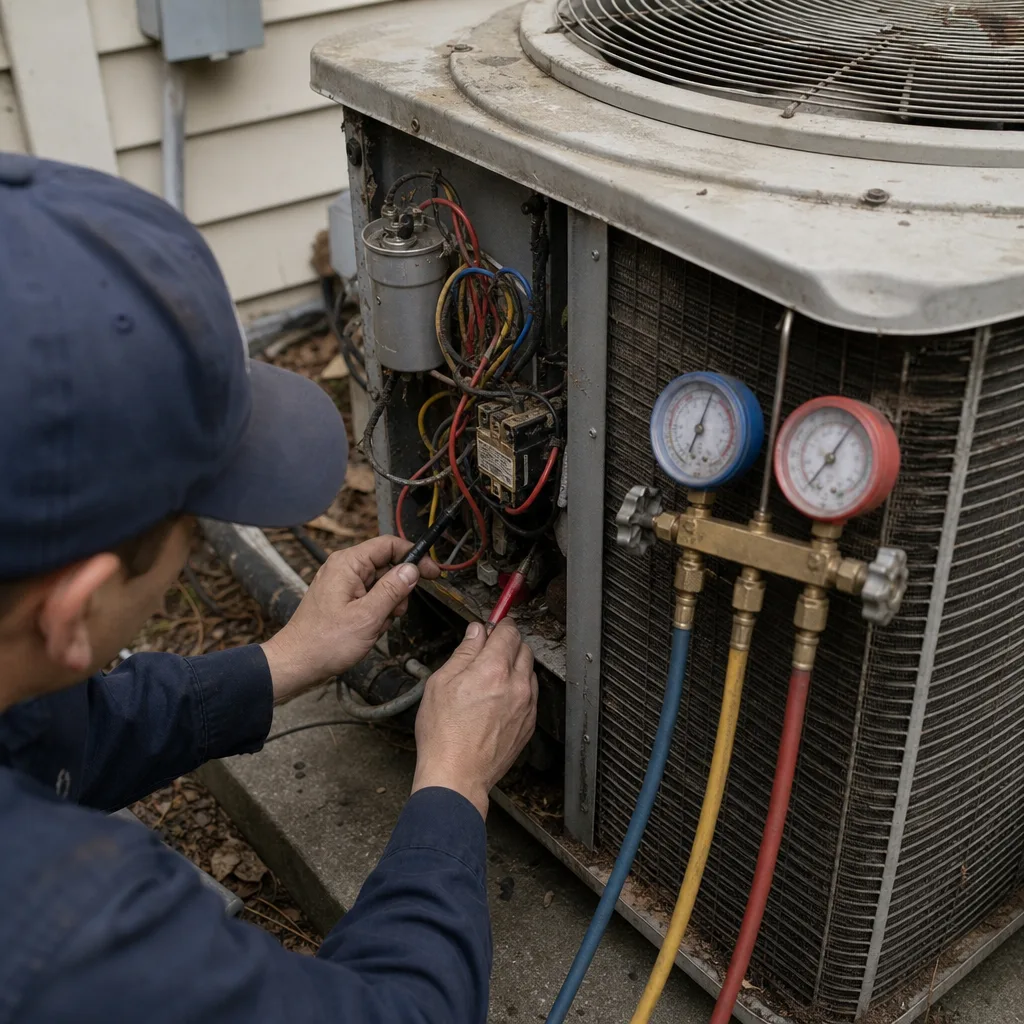 Before
 After
After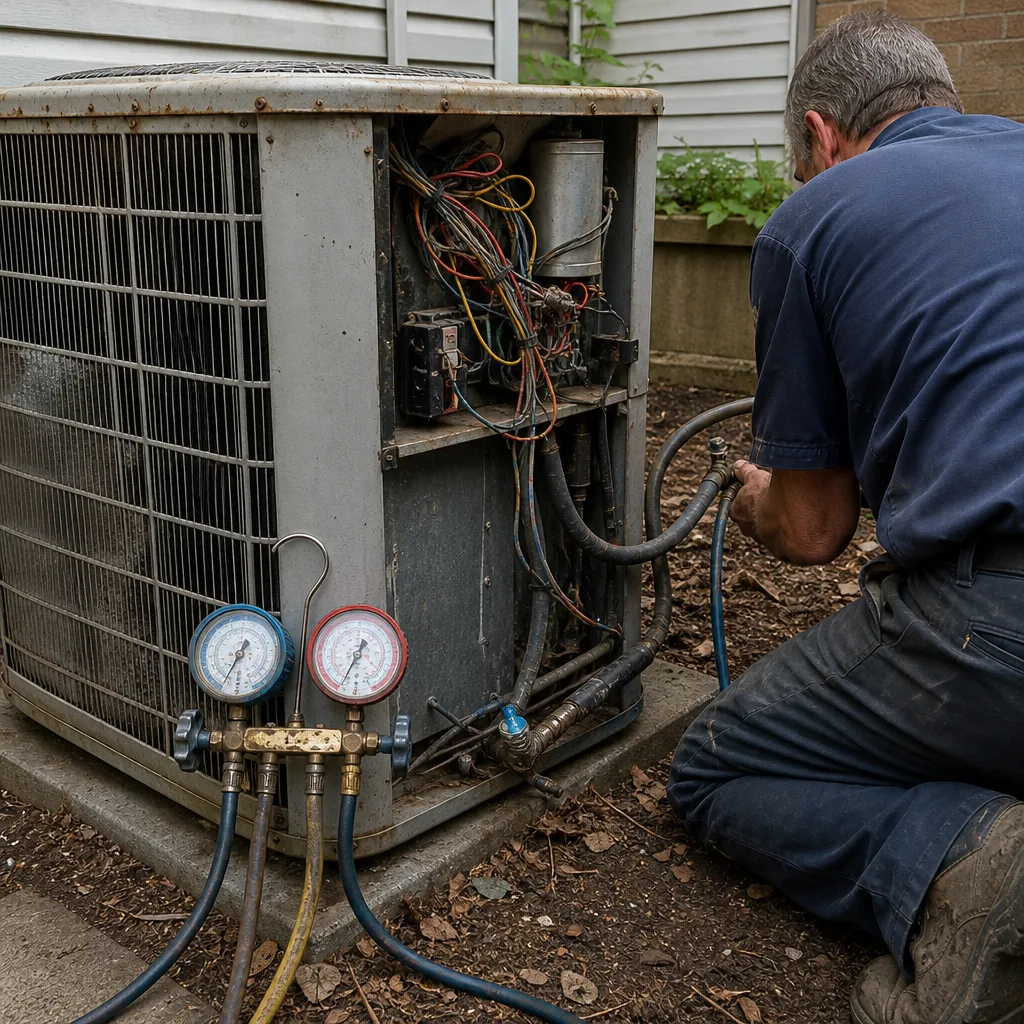 Before
 After
After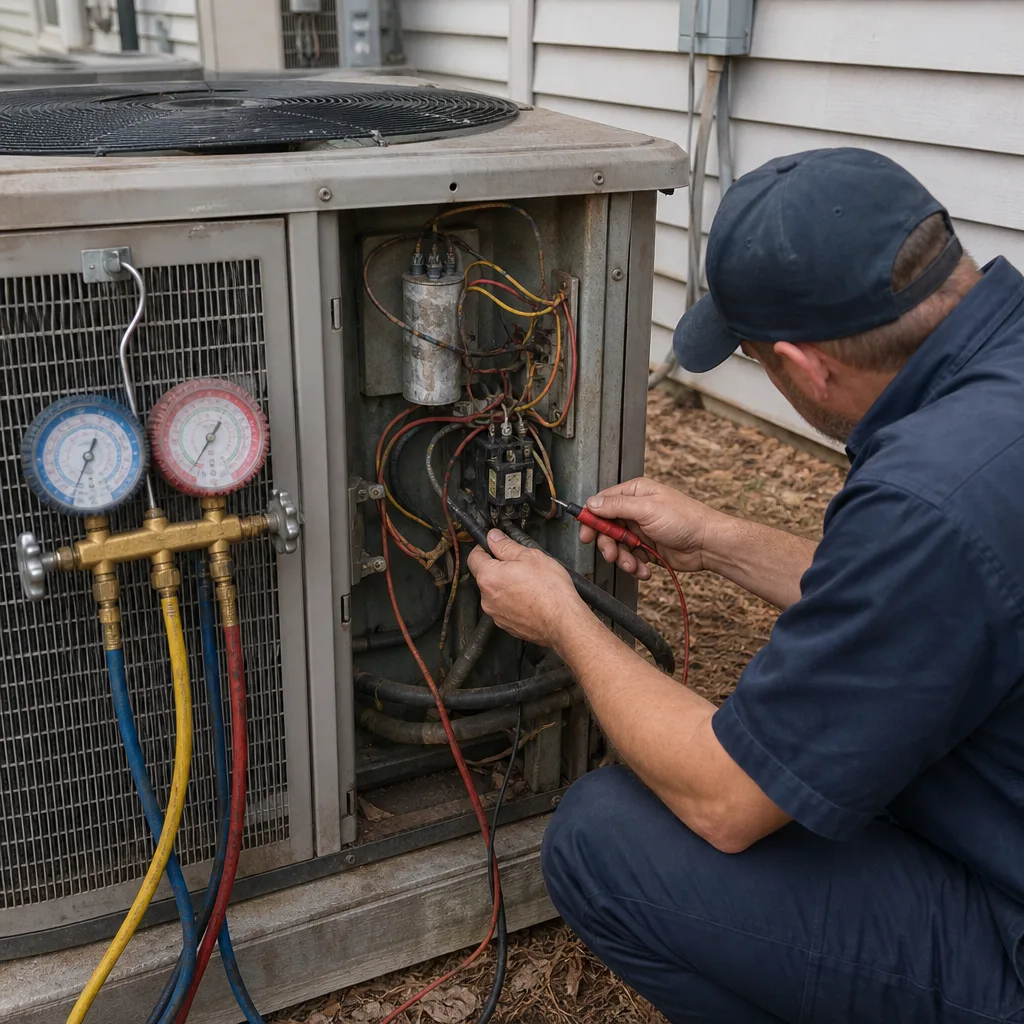 Before
 After
After