
Last updated October 16, 2026
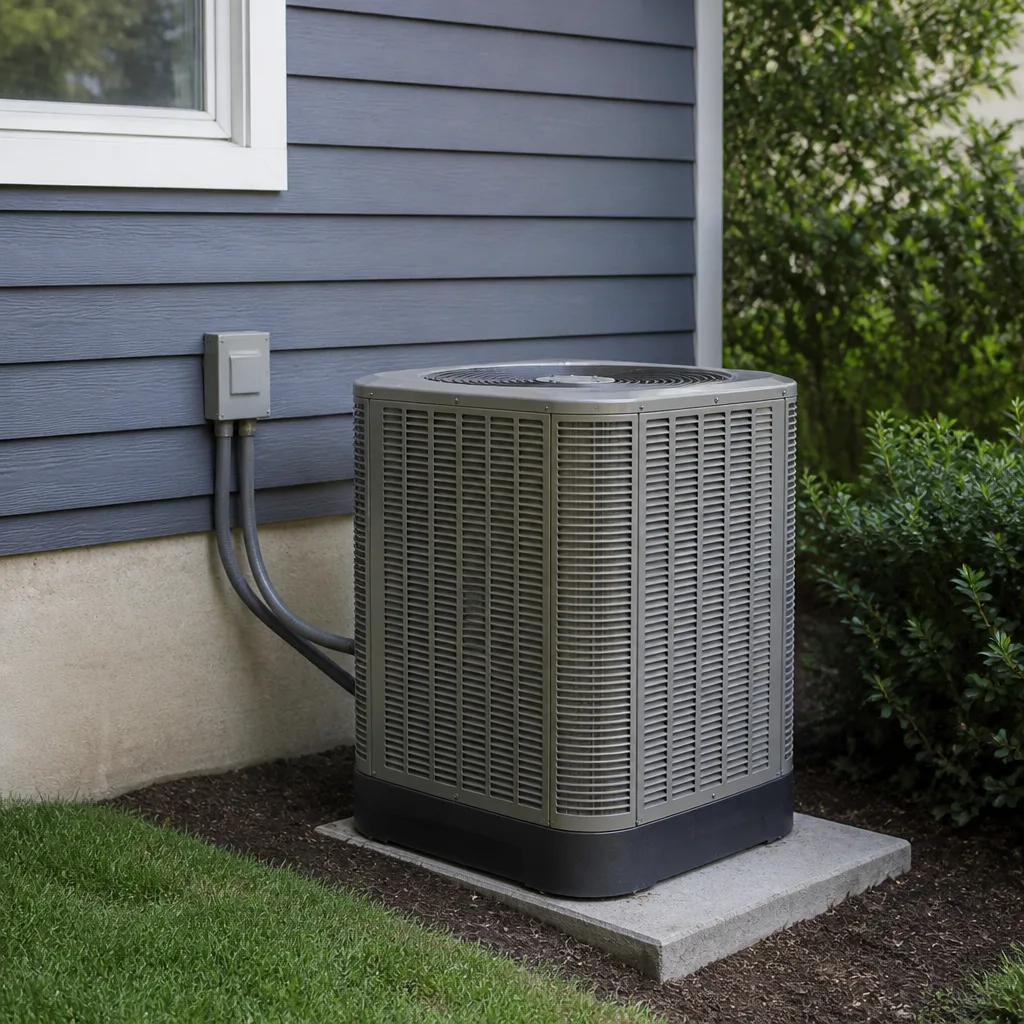 AC repair
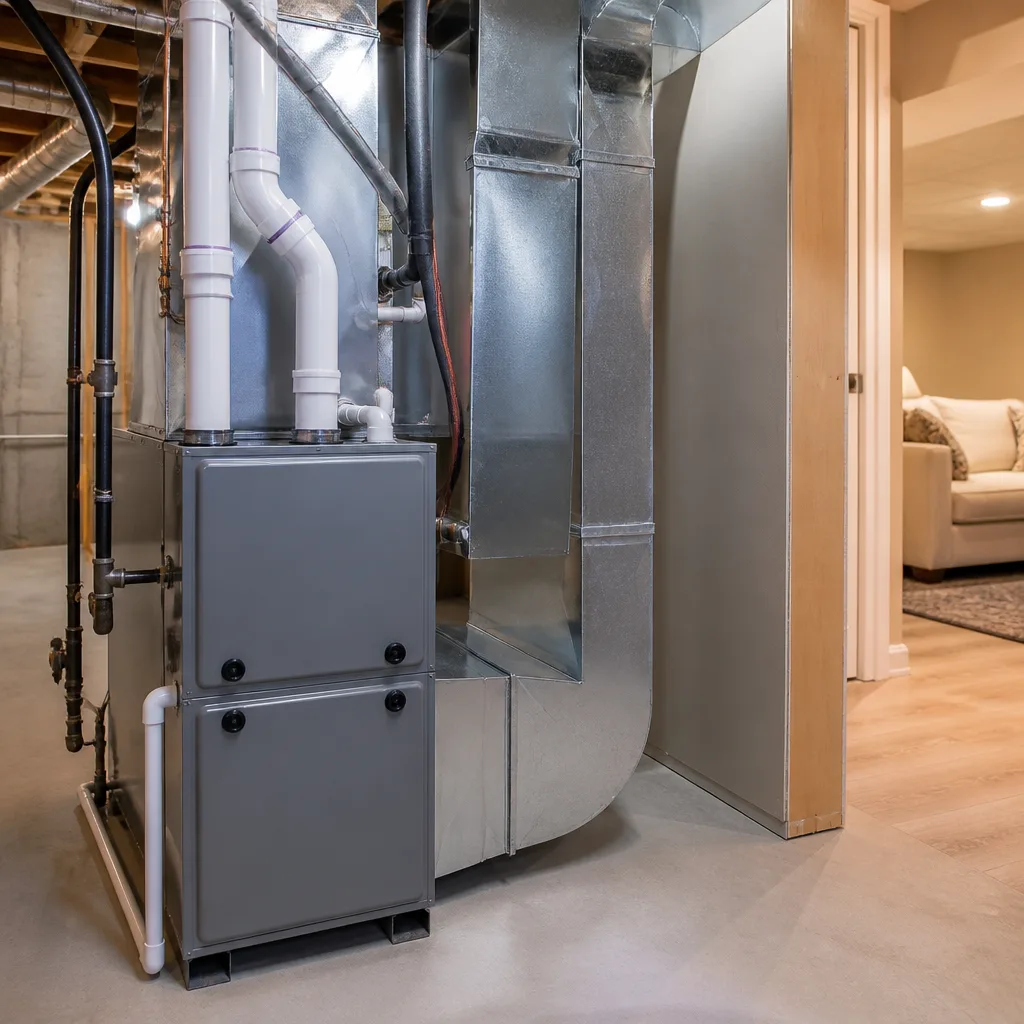 Furnace & heating
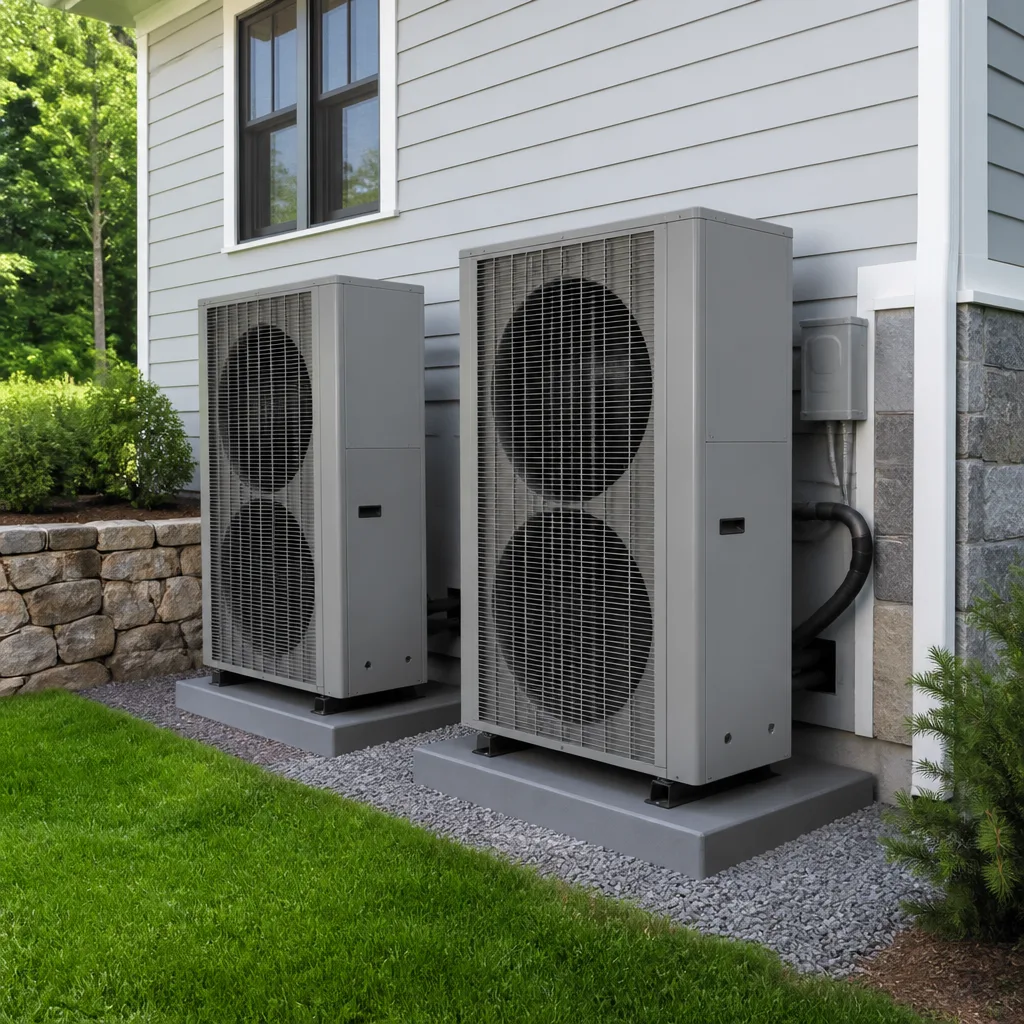 Heat pumps
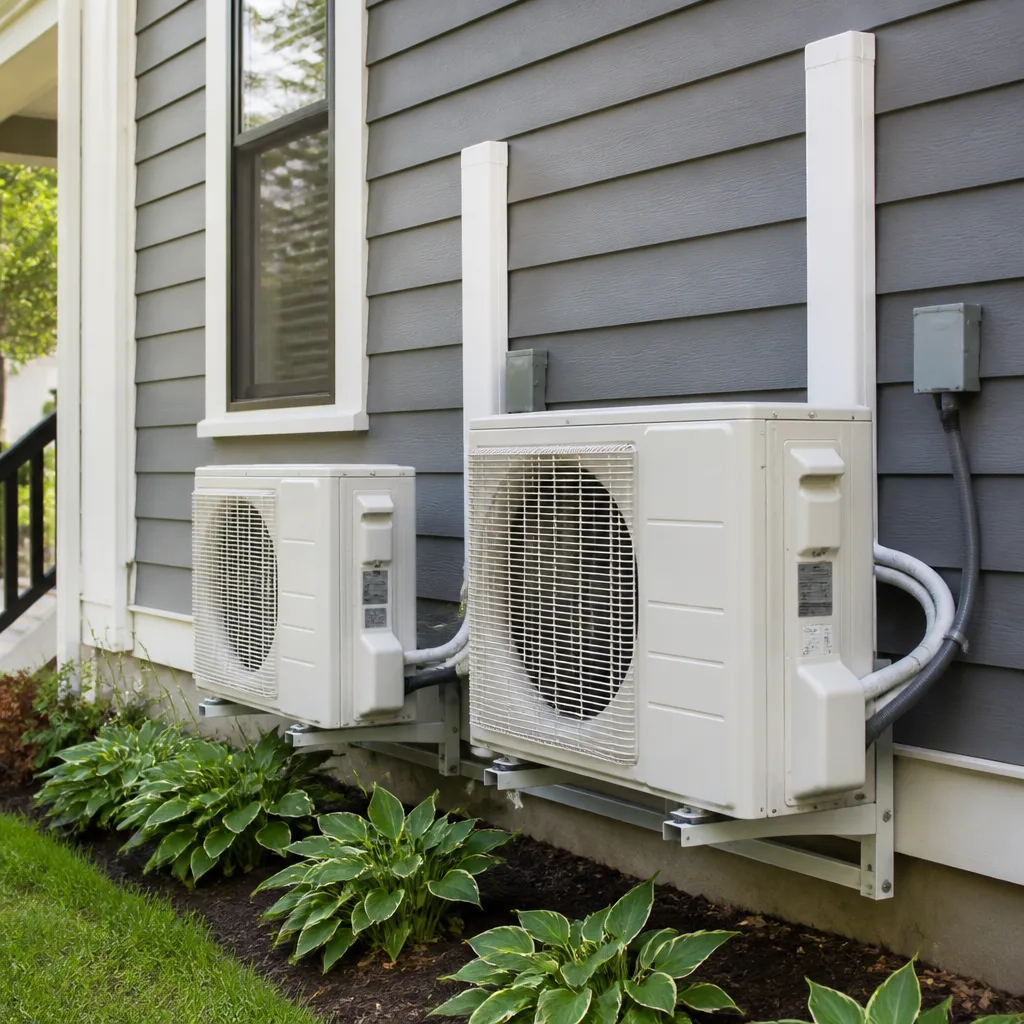 Ductless mini splits
 Carrier
 Trane
Trane Goodman
Seasonal tune-up and full diagnostic on your Carrier, Trane, or Goodman system - readings shown to you before any repair is proposed
Diagnosis first, numbers second - you approve the repair price before a single part goes in.
Get your free estimateHVAC Permits, Codes & Inspections in GA: What You Need to Know
In 2024, a home sale in Alpharetta fell apart at the eleventh hour. The buyer’s inspector found a full HVAC system replacement, new ductwork included, had been finished two years prior without a single permit. The seller faced an ugly choice: retroactively permit the work and pray it passed, or hand the buyer a $4,800 credit to cover whatever remediation might be needed. That story is not rare in north Fulton County, and it’s entirely avoidable. This guide explains exactly when Georgia requires a mechanical permit, what inspectors actually look at, how to verify permits yourself, and what to say when a contractor tells you none is needed. For more guides & resources on protecting your home investment, see our blog.
Quick Answer
Georgia requires a mechanical permit for most HVAC work that changes equipment, ductwork, or electrical connections. Simple repairs like replacing a capacitor or contactor typically do not trigger a permit, but replacing a condenser, air handler, furnace, or any ductwork almost always does. In Alpharetta, the city issues permits through its community development office, while work in unincorporated Fulton County or Cherokee County falls under those counties’ respective permitting departments. A failed inspection is not a penalty, it’s protection: it means an official confirmed the work is safe, properly sized, and won’t void your manufacturer’s warranty.
Styles & brands we work with
Table of Contents
- When Georgia Requires an HVAC Permit
- Repair vs. Replacement vs. Like-for-Like Swap: The Real Distinction
- What a Georgia Mechanical Inspection Actually Checks
- How to Look Up HVAC Permits on Your Alpharetta Property
- The Insurance Implication: Unpermitted Work and Coverage Gaps
- What to Say to a Contractor Who Says “We Don’t Need a Permit”
- Why a Failed Inspection Benefits the Homeowner
- Alpharetta-Specific Code Context: Climate, Housing Stock, and Common Failures
When Georgia Requires an HVAC Permit
The State of Georgia adopts the International Mechanical Code and International Residential Code as its baseline, but local jurisdictions enforce them. In practical terms, that means Alpharetta enforces its own adopted amendments through the city’s Building Safety Division, while unincorporated Fulton County and Cherokee County operate under county ordinances. The rule of thumb across all three: if the work involves installing, replacing, or modifying equipment, ductwork, venting, or the electrical disconnect connected to the system, a permit is required.
Here are the specific project types that trigger a mandatory mechanical permit in Georgia:
- Full system replacement: New condenser outside, new air handler or furnace inside. Requires a mechanical permit and often an electrical permit for the disconnect.
- Condenser or air handler replacement only: Replacing one component still triggers a mechanical permit because the refrigerant lines must be opened and reconnected.
- Furnace replacement: Gas furnaces require a mechanical permit that covers both the gas connection and the venting. A gas permit may also be required depending on jurisdiction.
- Ductwork installation or major modification: Running new ducts, replacing more than a few feet of existing duct, or adding supply registers all require a permit.
- Heat pump or mini-split installation: New equipment with new line sets, electrical, and possibly a condensate drain requires a mechanical and electrical permit.
- Relocating an indoor unit or outdoor condenser: Moving equipment means new line sets, new electrical runs, new condensate routing. Permitted work, every time.
What about the common shortcuts? We’ve seen contractors in Alpharetta tell homeowners that “replacing like for like doesn’t need a permit.” That is false. The 2015 International Mechanical Code, which Georgia adopted with amendments, makes no exception for a like-for-like swap when the work involves opening refrigerant lines or disconnecting gas or electrical. The only work that consistently falls outside the permit requirement is a component-level repair inside an existing system: swapping a capacitor, contactor, blower motor, thermostat, or circuit board. Those are repairs to an existing, already-permitted system. If the equipment itself comes off the pad or out of the closet, the work is no longer a repair.
One more nuance worth knowing: in Alpharetta, if your HVAC replacement includes changes to the outdoor disconnect box or breaker sizing, the mechanical permit may need a companion electrical permit. A reputable installer will know this and handle both. From our experience running AC Installation in Alpharetta jobs, the paperwork is straightforward when someone takes responsibility for it up front.
Repair vs. Replacement vs. Like-for-Like Swap: The Real Distinction
The confusion around permits almost always comes down to one word: “repair.” Homeowners hear “we’re just repairing your system” and assume that means no permit. Contractors sometimes lean into that ambiguity to avoid permit fees, inspection scheduling delays, or the hassle of pulling a permit at all. But the legal line in Georgia is drawn by what physically happens to the equipment and connections, not by what the contractor calls the job.
Here is the distinction, laid out plainly:
- Component repair (no permit in most jurisdictions): Replacing a capacitor, contactor, thermostat, control board, blower motor, or pressure switch. The refrigerant circuit stays sealed. Gas and electrical connections stay as they were. The system was already permitted when originally installed, so repairing a part inside it doesn’t change the permitted scope of the equipment.
- Equipment replacement (permit required): Removing a condenser, air handler, furnace, coil, or heat pump and installing a new unit. Even if the new unit is the same brand, same tonnage, same physical footprint, the refrigerant lines must be recovered, disconnected, reconnected, and recharged. Gas valves get disconnected and reconnected. Electrical disconnects get rewired. Each of those actions falls under the mechanical code, and the jurisdiction wants to verify the work.
- Like-for-like swap (permit still required): This is the phrase contractors use to make a replacement sound like a repair. It is not a repair. A Trane condenser swapped for a new Trane condenser is still an equipment replacement. The permit requirement doesn’t care that the boxes look the same.
- Modification or relocation (permit required): Moving the outdoor unit to the other side of the house, rerouting ducts, adding a return vent, or converting a gas furnace to a heat pump all change the system’s footprint and require scrutiny.
Why do some contractors push the “no permit needed” line? Time and cost. A mechanical permit in Alpharetta typically costs between $75 and $250 depending on project valuation, and inspections can require a scheduled visit, sometimes with a window that stretches a few hours. A contractor trying to undercut competitors can shave that cost and schedule friction off their bid. The homeowner pays for that shortcut later, at resale or claim time. When we pull permits for a Carrier or American Standard system replacement in Alpharetta, the timeline adds a day or two at most. The alternative can add years of liability.
What a Georgia Mechanical Inspection Actually Checks
Most Alpharetta homeowners picture a mechanical inspection as a bureaucrat glancing at a furnace and signing a clipboard. The reality is more substantive. A Georgia mechanical inspector is verifying that the installation meets code in ways that directly affect your safety, your warranty, and your long-term operating costs. Here’s what they actually examine.
Refrigerant line protection
Inspectors check whether the refrigerant line set is properly supported and protected from physical damage. In Alpharetta’s housing stock, which runs heavily to slab-on-grade homes built from the 1980s through the 2010s, line sets often run through exterior wall penetrations or along foundation lines. Code requires that these lines be insulated where necessary and protected from abrasion. A failed inspection on refrigerant line protection might catch a line rubbing against a sharp stud edge inside a wall cavity, which would eventually leak refrigerant and destroy the compressor.
Electrical disconnect clearances
Every outdoor condenser must have a service disconnect within sight of the unit, and that disconnect must maintain specific clearance zones. Inspectors check for proper working space in front of electrical panels, correct breaker sizing for the equipment’s nameplate rating, and secure conduit connections. When a system draws more current than the wiring or breaker is rated for, tripping issues become fire risks. In Alpharetta, where summer temperatures regularly push the high 90s and systems run at full load for weeks, undersized electrical is a common source of compressor burnout.
Duct leakage and sealing
Some Georgia jurisdictions now require a duct leakage test for new or substantially modified ductwork. The idea is simple: a system can be perfectly sized and still deliver terrible comfort if 30% of the conditioned air is leaking into the attic. Inspectors may verify that duct connections are sealed with mastic or approved tape, that joints are mechanically fastened, and that new duct runs meet the code’s leakage standard. This is one place where a failed inspection genuinely benefits the homeowner: sealed ducts mean lower utility costs and better air quality. Sealed ducts also mean the Meadowsweet Heating and Air Alpharetta home crew did the job correctly the first time.
Equipment clearances and platform requirements
Outdoor units need specific clearance from walls, fences, shrubs, and other obstructions to maintain airflow. Indoor air handlers and furnaces need service access clearances so a technician can actually reach the blower, filter, and coil. Inspectors measure these. A condenser installed two inches from a brick wall might cool acceptably on a mild day but fail on a 98-degree Alpharetta afternoon, and the manufacturer’s warranty explicitly excludes failures caused by improper installation clearances.
Condensate management
Air conditioners produce gallons of condensation on humid Georgia days. Code requires that condensate be routed to an approved drain point, with overflow protection that shuts the system down if the primary drain clogs. Inspectors check the drain line, the secondary pan, and the float switch. A failed inspection here can catch a system with no overflow protection, which is the difference between a clogged drain and a ceiling collapse.
How to Look Up HVAC Permits on Your Alpharetta Property
You don’t need to take anyone’s word that a permit was pulled. Fulton County and Cherokee County both maintain public online portals where anyone can look up permit history for a specific address. This is a smart exercise before buying a home, before selling one, or after any HVAC work – whether you’re the one who hired the contractor or you inherited the house’s history.
Step-by-step: How to verify your Alpharetta HVAC permits
- Determine your jurisdiction. If the property has an Alpharetta mailing address, you may still fall under city of Alpharetta permitting, unincorporated Fulton County, or in some cases Cherokee County (for parts of north Fulton near the county line). Check your tax bill or utility statement to confirm which jurisdiction governs your address.
- Access the correct portal. The City of Alpharetta uses its own online permitting portal accessible through the Building Safety Division page. Fulton County uses the Accela Citizen Access platform. Cherokee County uses its own permit lookup system. All three allow searches by street address.
- Search by address, not by contractor. Contractor names can be misspelled, changed, or omitted. The property address is the constant. Enter the street number and name exactly as it appears on your tax record.
- Review the permit history. Look for a “mechanical” or “HVAC” permit matching the year of any equipment replacement. A full system replacement should appear as a mechanical permit, possibly alongside an electrical permit. If the equipment is newer than the latest mechanical permit on file, the work was likely unpermitted.
- Check the inspection status. A permit that was pulled but never had a final inspection approved is nearly as problematic as no permit at all. An “issued” permit with no “final inspection approved” notation means the job was never closed out. Some homeowners discover this the hard way when they try to list their house.
- Save the records. Download or screenshot the permit documents. When you sell, having these records ready makes the disclosure process faster and removes a buyer objection before it forms.
If you find work that appears unpermitted, don’t panic. Retroactive permitting is possible in most Georgia jurisdictions, though it may require opening walls or ductwork for inspection, and it often costs more than the original permit would have. The sooner you address it, the fewer complications arise later. If you’re uncertain about what you’re seeing in the portal, a qualified Alpharetta HVAC company can help you interpret the permit history against the equipment currently installed.
The Insurance Implication: Unpermitted Work and Coverage Gaps
Here’s the part most guides skip, and the part that matters most to Georgia homeowners: an unpermitted HVAC replacement can directly affect your homeowner’s insurance coverage. Insurance policies typically contain language distinguishing between “repair and maintenance” (no disclosure issue) and “improvement” (a material change to the property’s condition and value). A new HVAC system is an improvement, not a repair, in the eyes of most claims adjusters.
If a storm damages your home, or a fire starts in the utility room, or an electrical surge destroys your condenser, the adjuster will assess the claim. Part of that assessment involves verifying that the damaged equipment was installed legally. An unpermitted system creates what insurers sometimes classify as an “improvement without disclosure.” Here’s what that can mean in practical terms:
- Coverage denial for the unpermitted component: The insurer may deny coverage for the HVAC system itself, paying only for damage to permitted parts of the home.
- Reduced payout on a broader claim: If the unpermitted system contributed to the damage – for example, a failed electrical connection that sparked a fire – the insurer may reduce the total claim payout by the proportional value of the unpermitted work.
- Policy cancellation: Some insurers will non-renew a policy when they discover unpermitted major mechanical work, especially if the homeowner knew about it and didn’t disclose it.
- Subrogation complications: If your insurer pays a claim and then attempts to recover costs from a contractor’s insurance, the lack of a permit weakens that recovery path. The insurer may come back to you for the difference.
This is not theoretical. Georgia is in a hurricane and severe weather corridor, and Alpharetta sits in an area that sees regular spring thunderstorms with damaging winds and lightning. When a lightning strike takes out your condenser, the last thing you want to discover is that your insurer won’t pay because the system was never permitted. As AC Repair in Alpharetta technicians, we’ve seen insurance adjusters check permit records before approving replacements. The homeowners who had permits in hand had smooth claims. The ones who didn’t had phone calls that lasted for months.
There’s also a resale angle. In Georgia, sellers are legally required to disclose known material defects. An unpermitted HVAC system may qualify as a material defect because it affects insurability and compliance. If you sell without disclosing and the buyer’s inspector finds it later, you can be pursued for damages. If you disclose it, buyers will demand a price reduction or remediation. Either way, the unpermitted work costs more than the permit would have.
What to Say to a Contractor Who Says “We Don’t Need a Permit”
Most homeowners don’t have a script for this conversation. They’ve just been told, by someone who positions themselves as the expert, that a permit isn’t necessary. It feels awkward to push back. But the contractor’s claim is either ignorance, avoidance, or a red flag, and each scenario deserves a direct response. Here’s what to say, and why each phrase matters.
The conversation in practice
Contractor: “We don’t need to pull a permit for this. It’s just a swap, same unit, same spot.”
You: “I’d like it permitted anyway. Can you include the permit cost and inspection in the written quote?”
Why this works: A legitimate company will say yes. The permit costs $75 to $250, and the inspection adds a few hours. A company that has been doing things properly will not blink. If the contractor demurs, reduces the price to “make up for it,” or says the permit would extend the timeline by weeks, you’re hearing evasion, not expertise.
Contractor: “I’ve done a hundred of these in Alpharetta without permits. Nobody checks.”
You: “I understand. But my homeowner’s insurance and my warranty both require permitted installation. If that’s a problem, I’ll need to get another quote.”
Why this works: You’ve shifted the frame from “do I trust you?” to “here is my requirement.” A professional will match your requirement because it’s the correct requirement. A contractor who argues about it is telling you they prioritize speed and cost over compliance.
Contractor: “The permit will slow things down. You’ll be without AC for an extra week.”
You: “That’s fine. I’d rather wait a few extra days and have it done correctly.”
Why this works: In Alpharetta’s summer heat, a few days without cooling is uncomfortable, but the discomfort of an unpermitted system lasts for years. A contractor who uses the “you’ll be uncomfortable” argument is leveraging your urgency. The truth is that permits in Alpharetta are typically processed within days, and inspections are scheduled around the job’s completion, not instead of it.
A legitimate Alpharetta HVAC company will pull the permit without being asked. At Meadowsweet Heating and Air Alpharetta, permits are part of the installation process, not an optional add-on. Before any work starts on a Bryant or Trane system replacement, the written price includes the permit, the inspection, and the time required to complete both. The homeowner shouldn’t have to negotiate for code compliance.
Why a Failed Inspection Benefits the Homeowner
Many homeowners hear “failed inspection” and assume the worst: extra costs, delays, a problem they didn’t know they had. The reframe is simple: a failed inspection means the system caught something now, before it became a catastrophic failure, a warranty voidance, or a safety incident. Failed inspections are not punishment. They’re protection with a code reference attached.
Here are the most common reasons HVAC inspections fail in the Alpharetta area, and why each finding is actually good news for the homeowner:
- Improper electrical disconnect: The inspector finds the breaker isn’t sized correctly for the condenser’s nameplate. Catching this now prevents a compressor that burns out on the first hot week, then a manufacturer that refuses warranty coverage because the installation wasn’t to spec.
- Missing overflow protection: The secondary drain pan or float switch is absent. In a Georgia summer, when humidity pushes condensate volumes to their peak, a system with no overflow protection is a ceiling collapse waiting to happen. The inspector just saved you a drywall repair bill.
- Undersized duct connections: The new air handler doesn’t match the existing ductwork’s capacity. The inspector flags it because the system’s static pressure is already too high, which will shorten the blower motor’s life and skyrocket your electricity bill. Fixing duct transitions now is pennies compared to the cost of running an inefficient system for a decade.
- Condensate drain routing: The drain line empties somewhere it shouldn’t, like onto a sidewalk or into a foundation drain. The inspector catches it because that’s a mold and slip hazard. The fix is simple, and the failure notice gives you legally enforceable leverage to make the contractor correct it.
The key insight: in every one of these cases, the inspector is not being punitive. They’re verifying that the system was installed the way the manufacturer intended and the way Georgia building codes require. A system that passes inspection is a system that will run efficiently, last its expected lifespan, maintain its warranty, and keep its resale value. A system that never gets inspected is a gamble on all four counts.
Alpharetta-Specific Code Context: Climate, Housing Stock, and Common Failures
Alpharetta’s housing stock spans at least four distinct eras: 1980s and 1990s suburban neighborhoods like Windward and Crabapple, early-2000s communities around Avalon and downtown, 2010s townhome and mixed-use developments along the Georgia 400 corridor, and newer construction that continues to push north into Cherokee County. Each era has its own common HVAC permitting and code issues, and understanding your home’s era helps you know what to expect.
Homes built in the 1980s and 1990s in Alpharetta often have original ductwork that predates modern sealing standards. When a new system goes into one of these homes, the inspector may require a duct leakage test or at least visual verification that transitions are sealed. Homes from this era also frequently have electrical panels that were already near capacity before the HVAC replacement added new requirements. A thorough installer will check panel capacity before quoting a system, because the permit inspection may reveal that a subpanel or service upgrade is required.
Newer Alpharetta construction, particularly high-end homes in the $800,000 to $1.5 million range, presents a different challenge: complex zoning systems, multiple air handlers, and extended duct runs through unconditioned attic space. Inspections on these systems are more involved, and the duct leakage standards matter more because of the sheer volume of conditioned air being moved. A failed inspection on a large zoned system can be expensive to remediate, which is exactly why it should be caught at inspection, not five years later when the home’s cooling bill has doubled.
Alpharetta’s climate also shapes the code requirements. Summer design temperatures in the area are in the low to mid-90s, and humidity levels are routinely high. That means condensate management, proper refrigerant charge, and adequate system sizing are not academic concerns. An undersized system installed in a south-facing Alpharetta home will run constantly from June through September, driving up utility costs and burning out compressors years early. The inspection process is designed to catch sizing issues that a homeowner would never notice until the first summer electric bill arrives.
If you’re researching a system replacement, understand that the permit is not a bureaucratic hurdle. It’s the mechanism by which Alpharetta ensures that the system installed in your home is safe, legal, and built to handle the specific demands of this climate. A good installation company treats the permit as a core part of the job. Furnace Repair in Alpharetta work, like AC work, follows the same permitting logic: if the equipment is being replaced, the jurisdiction wants to verify it.
Common Mistakes to Avoid
- Believing “like for like” means “no permit.” Replacing a 3-ton condenser with another 3-ton condenser is still an equipment replacement, and Georgia code requires a permit. The physical similarity of the units doesn’t change the legal status of the work.
- Skipping the permit to save $150. The permit fee is a tiny fraction of the system cost. The downstream cost of an unpermitted system – in insurance complications, resale delays, or retrofit failure – can exceed ten times the permit fee.
- Hiring a contractor who offers to do the permit “after the fact.” Permits are supposed to be issued before work begins, not after. A contractor who plans to pull the permit later is admitting they don’t want the inspector to see the work in progress.
- Assuming the city will notify you if a permit is missing. Municipalities don’t proactively monitor every HVAC replacement in Alpharetta. The burden of verifying permit status falls on the homeowner, especially at time of sale or claim.
- Accepting a lower bid that “doesn’t include permits.” A bid that excludes permit costs is not cheaper. It’s a bid that shifts the cost of noncompliance onto you, with interest, in the form of future liability.
- Skipping the final inspection even when a permit was pulled. An issued permit without a final approved inspection is incomplete. Follow up with your contractor to confirm the inspection was scheduled and passed, and keep the approval record.
- Not checking permit history before buying an Alpharetta home. Most buyers only learn about unpermitted HVAC work when their own inspector flags it. Checking permit history in the county portal before closing is free, takes fifteen minutes, and can save tens of thousands.
See the difference
 Before
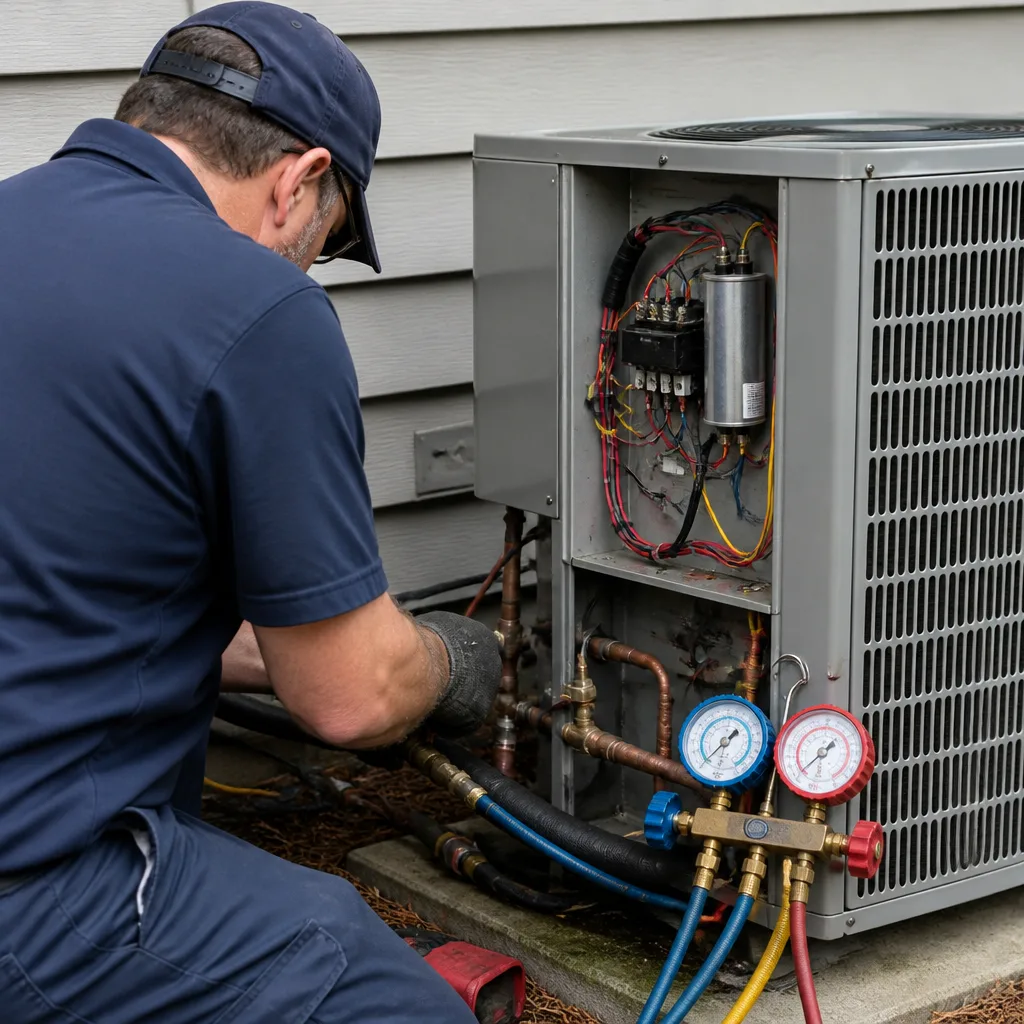 After
After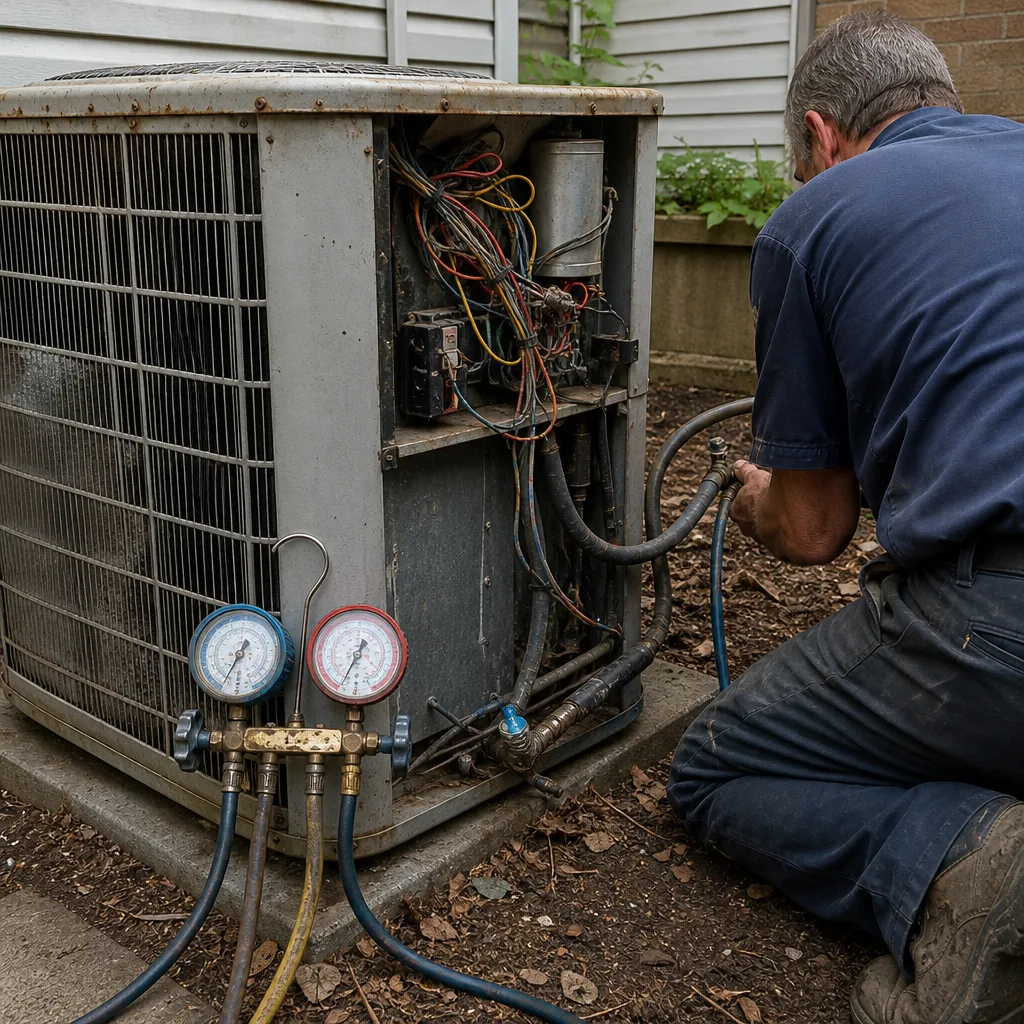 Before
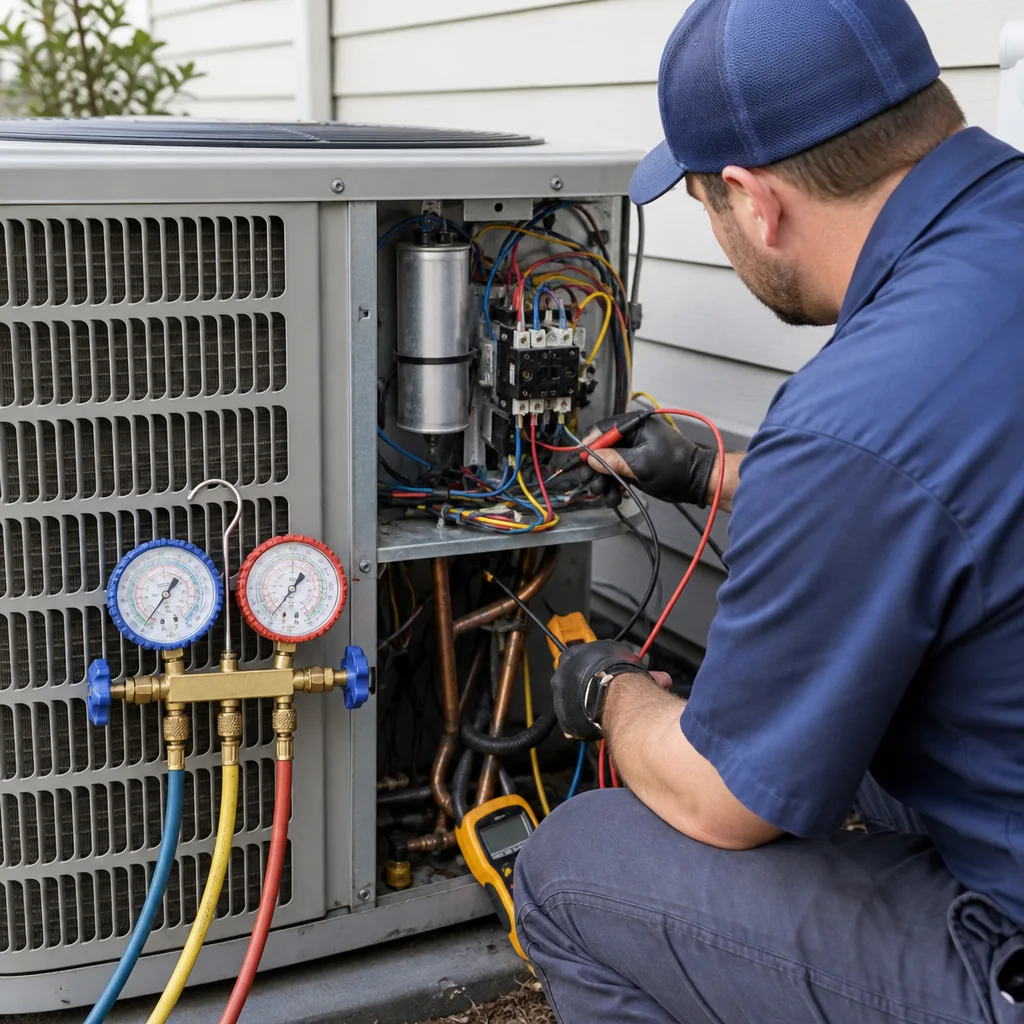 After
After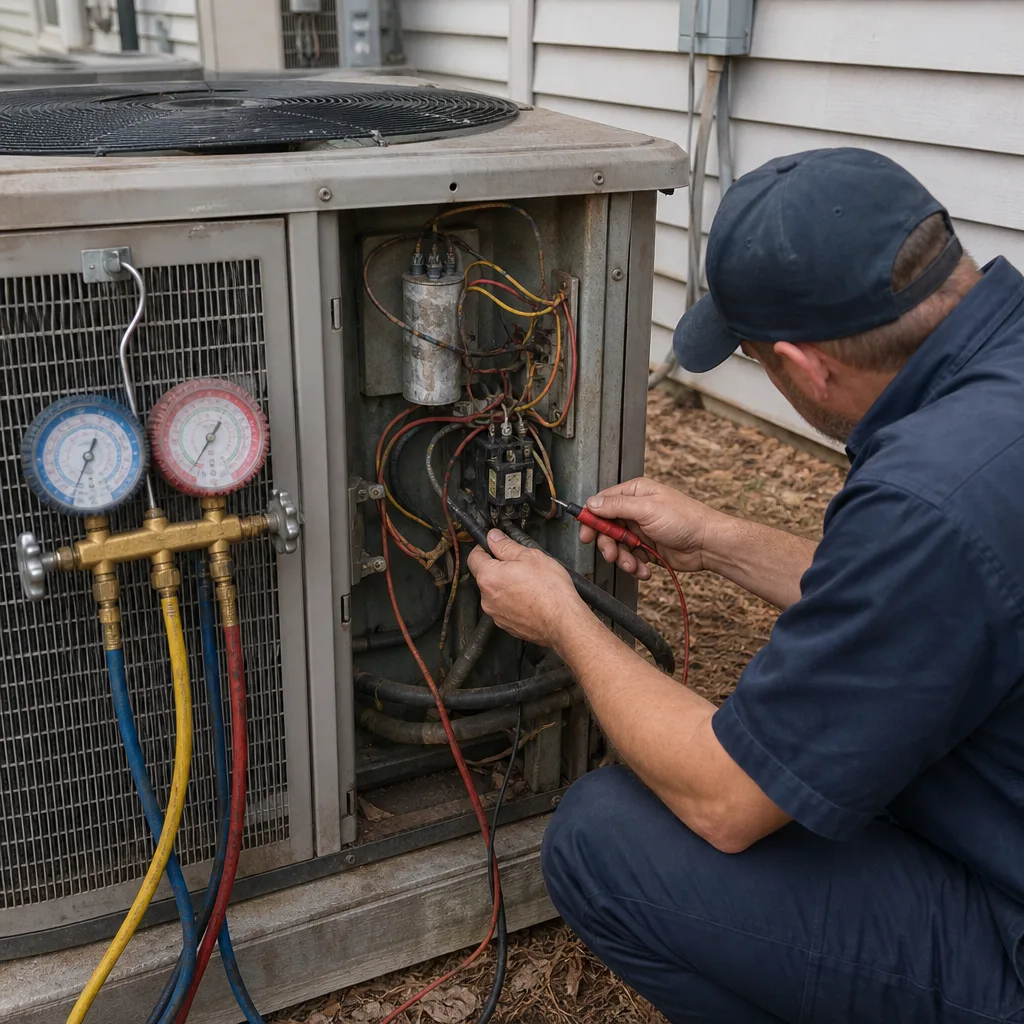 Before
 After
AfterWhen to Call a Professional
Call an Alpharetta HVAC professional if you’re planning a system replacement, if your home’s permit history is unclear, or if a previous contractor told you no permit was needed for work that has since caused problems. Call before you buy a home if the seller can’t produce permit records for the HVAC system. Call immediately if you discover work was done without a permit and you’re not sure how to move forward. A qualified company can assess the system, determine what retroactive permitting would require, and give you a straight answer about your options. Bring our AC Repair Maintenance Checklist for Alpharetta Homeowners to any consultation to ensure nothing gets overlooked. Meadowsweet Heating and Air Alpharetta offers free estimates in Alpharetta – call (478) 606-5046 to talk through your situation with someone who answers the phone.
Frequently Asked Questions
Yes. Replacing a condenser, air handler, or complete system requires a mechanical permit in Alpharetta and throughout Fulton and Cherokee counties. The permit covers the refrigerant line work, electrical disconnect modifications, and any ductwork changes associated with the replacement.
Unpermitted HVAC work can void your manufacturer’s warranty, create insurance coverage gaps, complicate a future home sale, and potentially require costly retroactive permitting. In Alpharetta specifically, a buyer’s inspector will likely flag unpermitted mechanical work during a resale inspection.
Mechanical permit fees in Alpharetta typically range from $75 to $250, depending on the project valuation and whether an electrical permit is also required. The exact fee is set by the jurisdiction that governs your address – city of Alpharetta, Fulton County, or Cherokee County.
Search your property address in the online permit portal for your jurisdiction – the City of Alpharetta Building Safety Division portal, Fulton County’s Accela system, or Cherokee County’s permit lookup. Look for a mechanical permit matching the year your equipment was installed, and confirm a final inspection was approved.
If an inspection fails, the contractor is typically responsible for correcting the installation to meet code, because the installation did not match the permitted scope of work. The inspection exists to catch problems before they become safety hazards or premature system failures. In most cases, the contractor fixes the issue at their cost.
You should treat unpermitted HVAC work as a negotiating point. Ask the seller to either retroactively permit the work or provide a credit covering potential remediation. In Alpharetta’s current market, many buyers accept a credit and handle the retroactive permit themselves after closing, but only if the price reflects the added risk and cost.
The Bottom Line
HVAC permits in Georgia are not optional paperwork. They’re the legal mechanism that verifies your system was installed safely, sized correctly, and built to last in Alpharetta’s climate. The permit protects your manufacturer’s warranty, your homeowner’s insurance coverage, and your future resale value. Skipping it saves a couple hundred dollars today and risks thousands later. Whether you’re replacing a furnace in a 1990s Windward home or installing a high-efficiency heat pump in a new build near Avalon, the path is the same: pull the permit, schedule the inspection, keep the paperwork. A company that treats this as standard practice is a company that treats your home with the same care. Call (478) 606-5046 for a free estimate, and get a written price that includes the permit before any work begins.
Written by Luis Serrano, Owner at Meadowsweet Heating and Air Alpharetta, serving Alpharetta since 2004.