
Last updated October 16, 2026
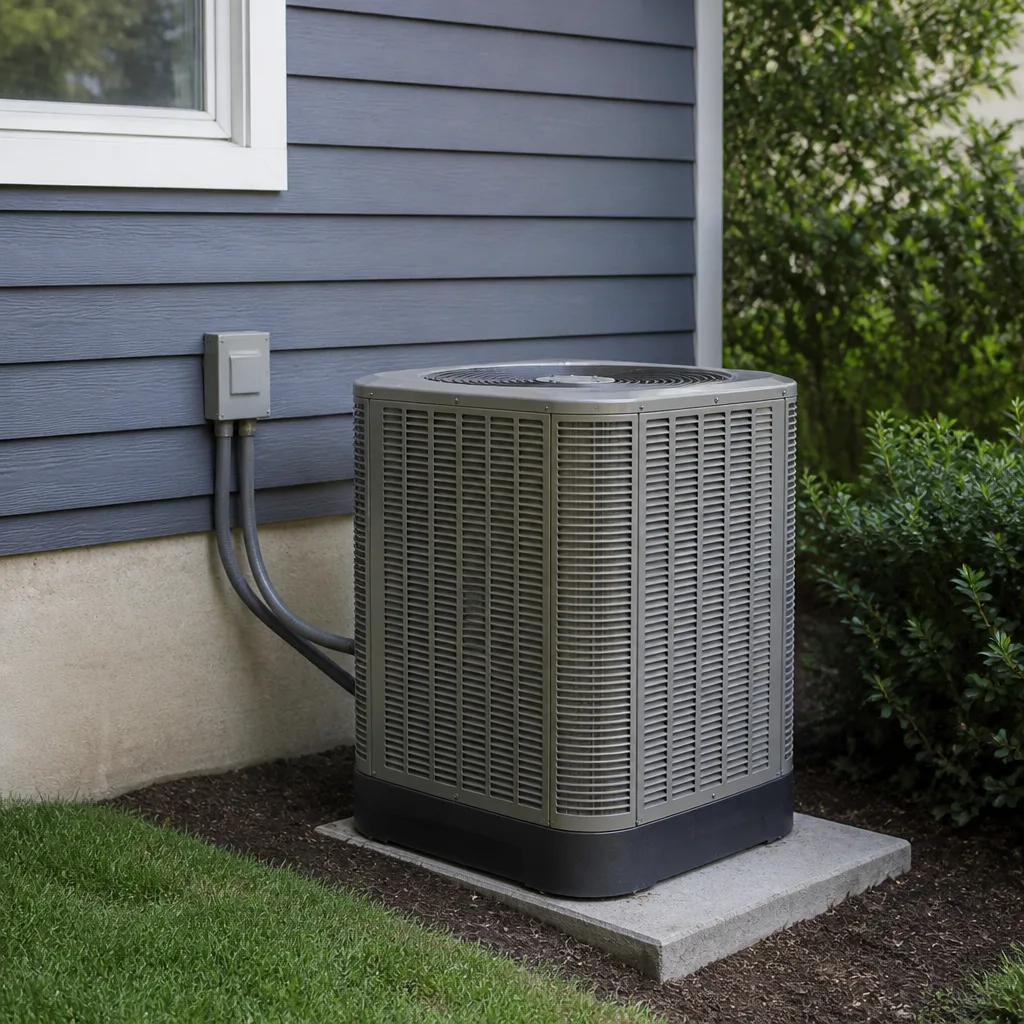 AC repair
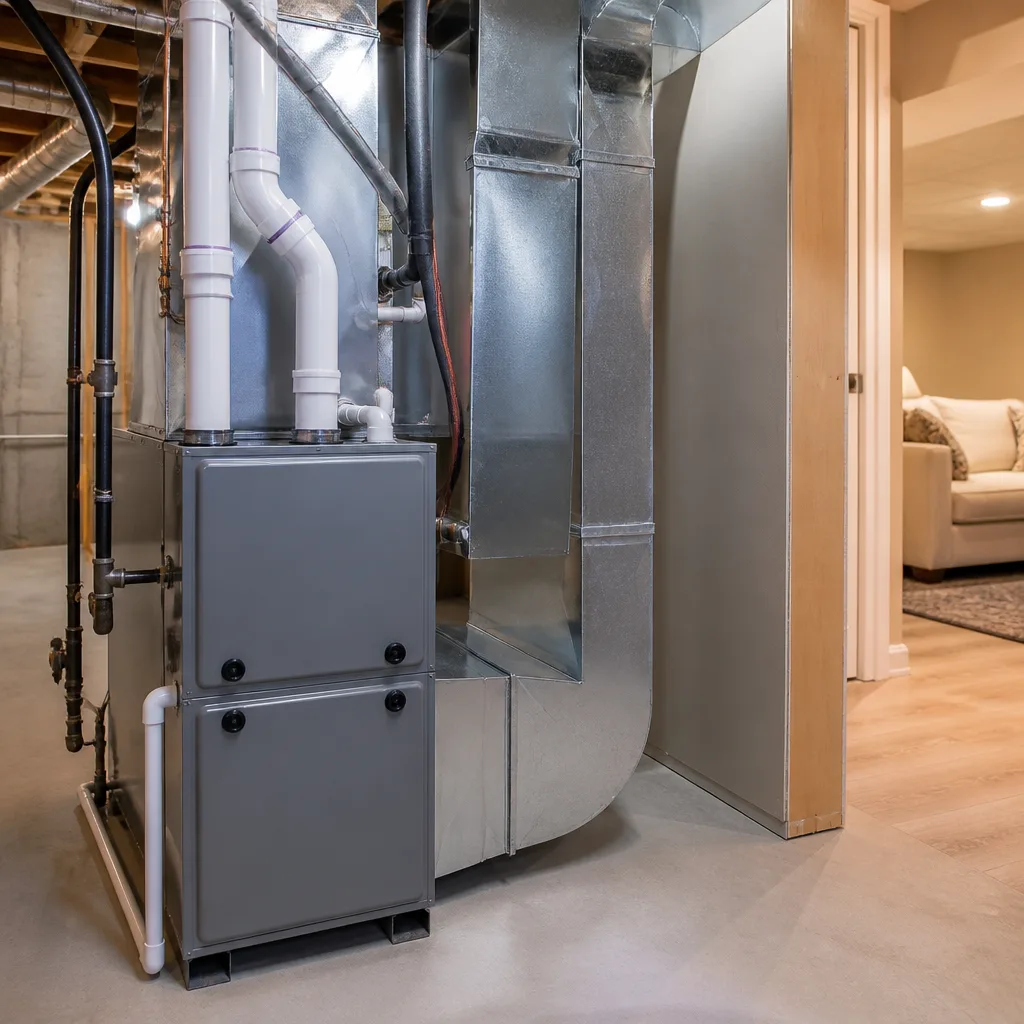 Furnace & heating
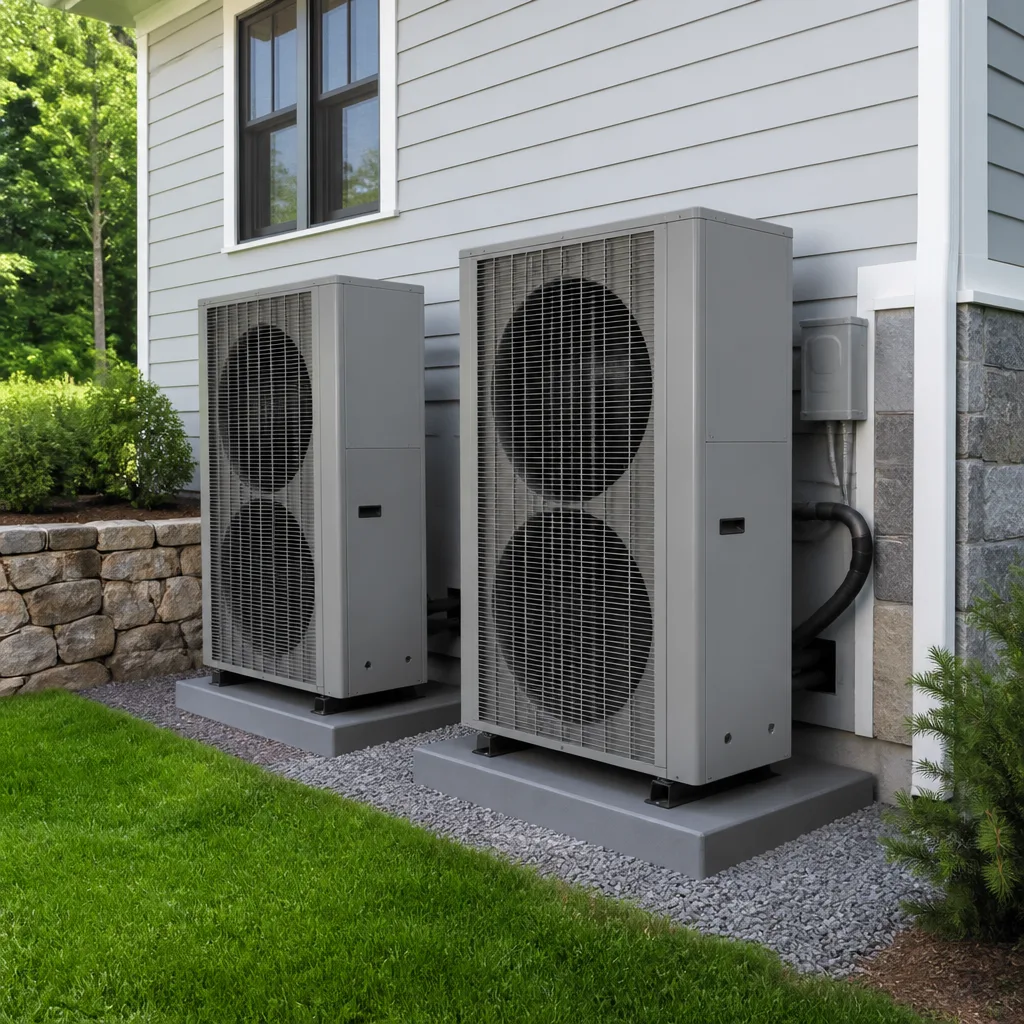 Heat pumps
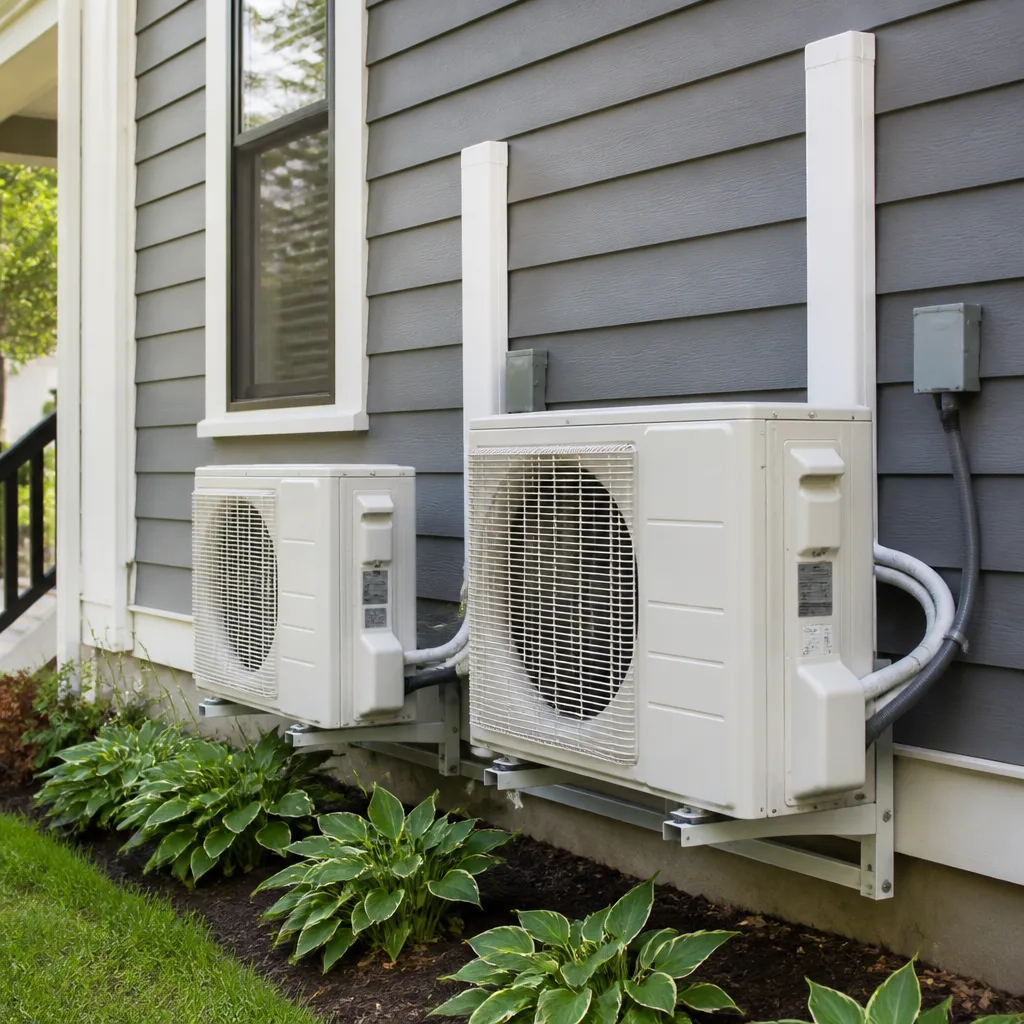 Ductless mini splits
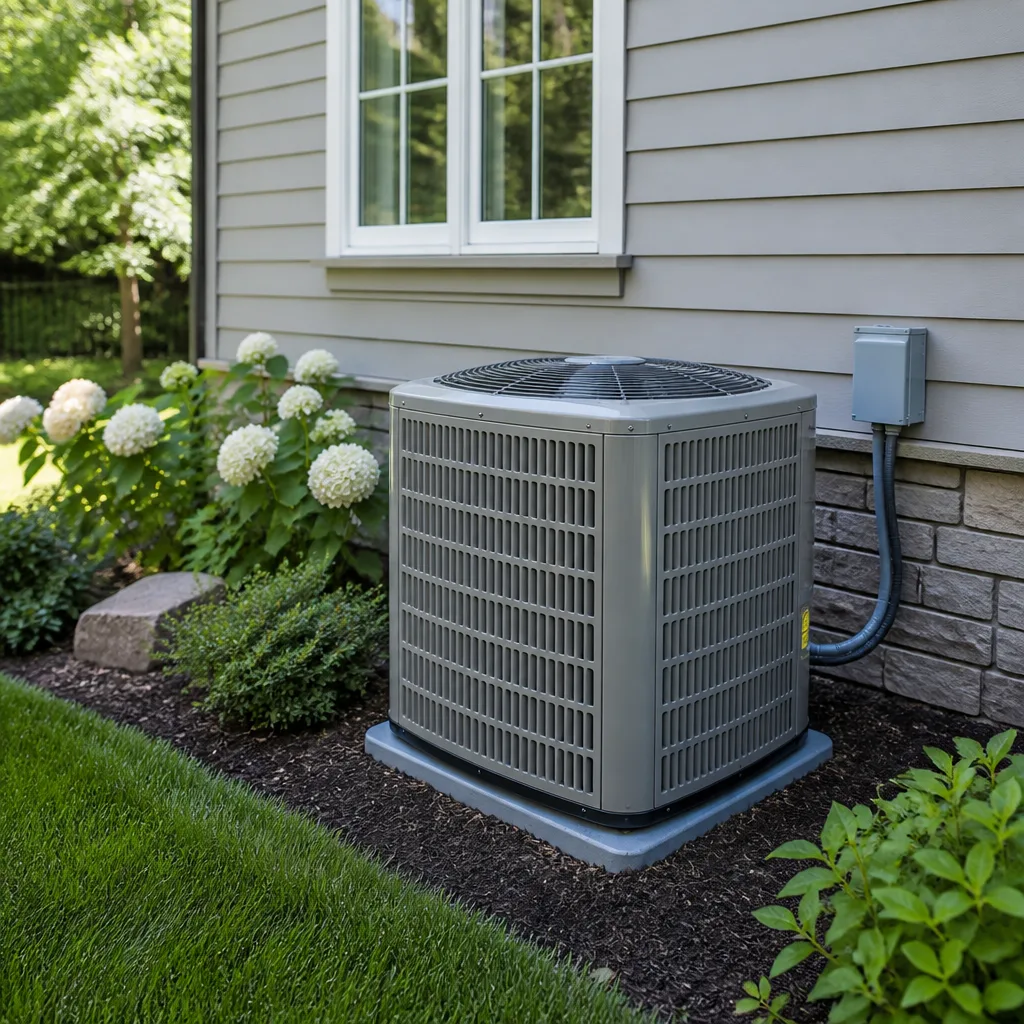 Carrier
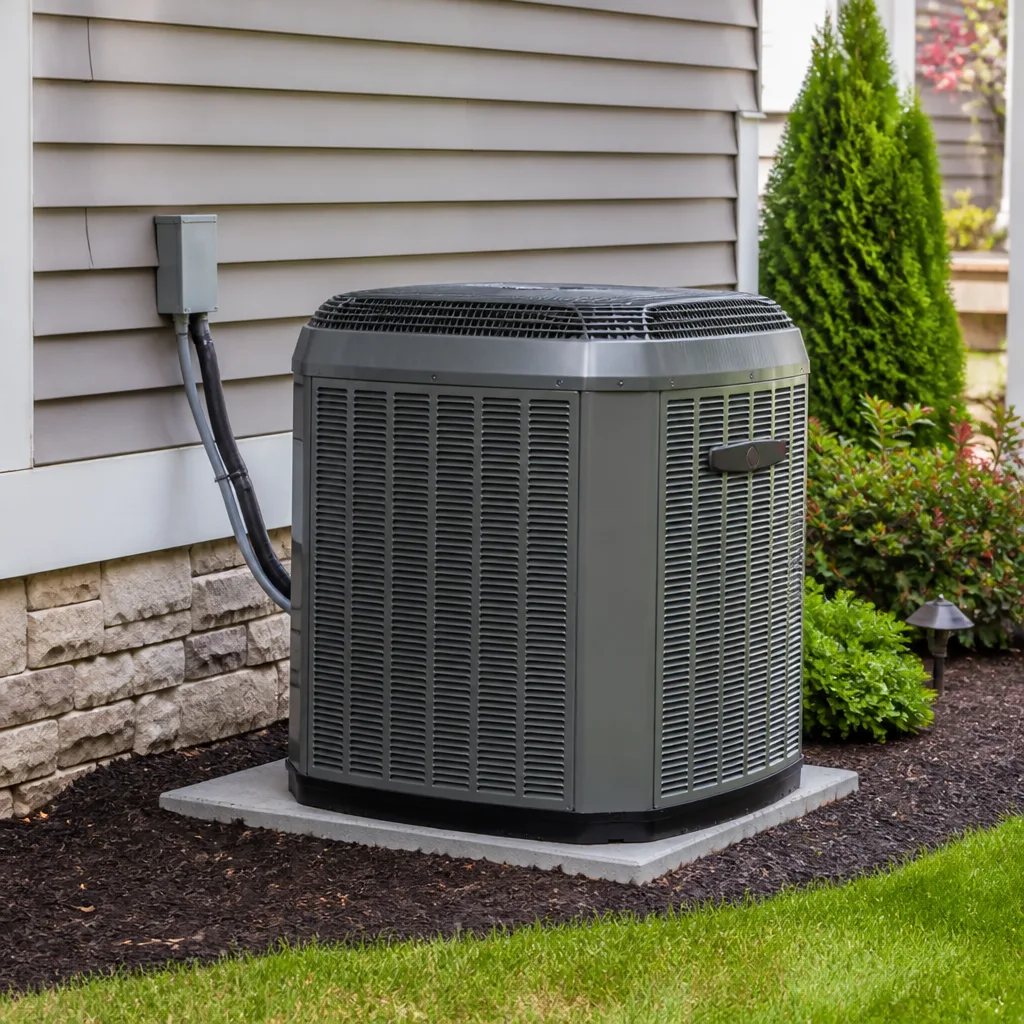 Trane
Trane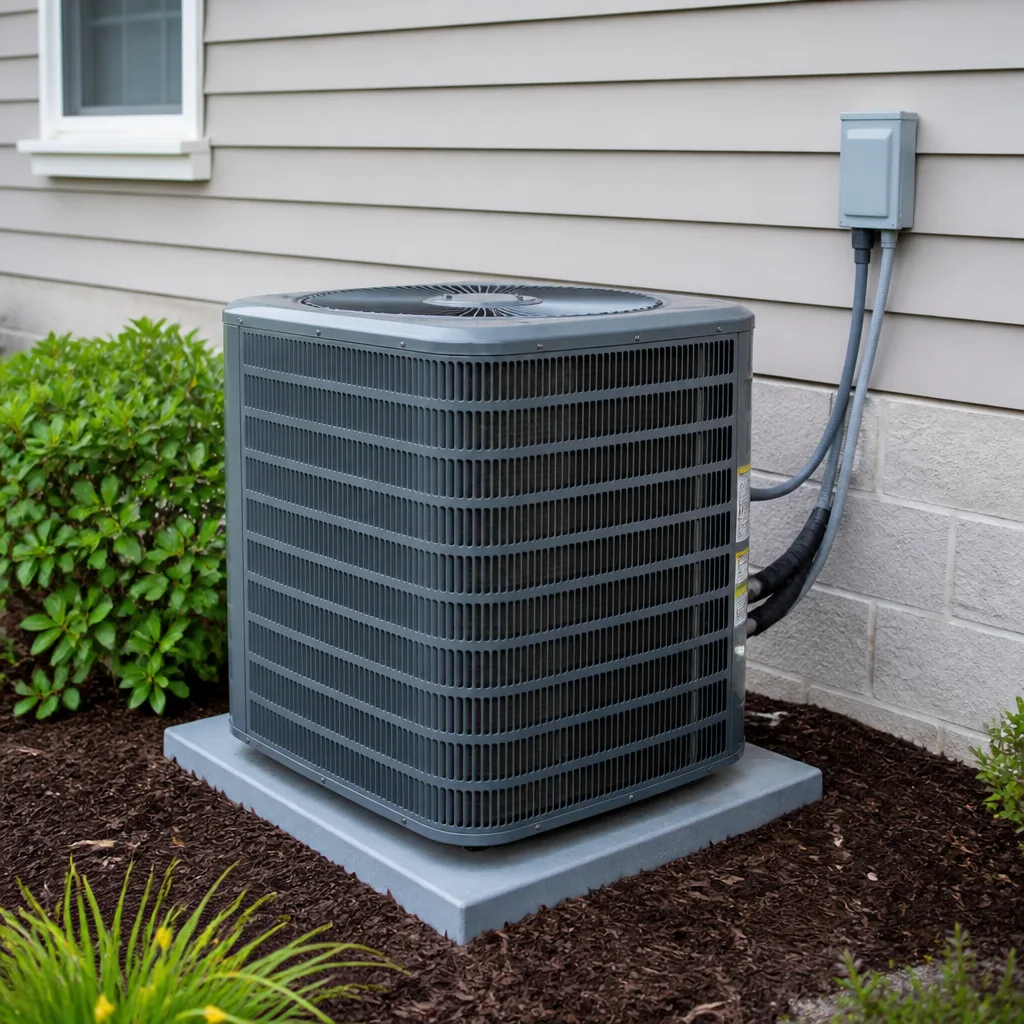 Goodman
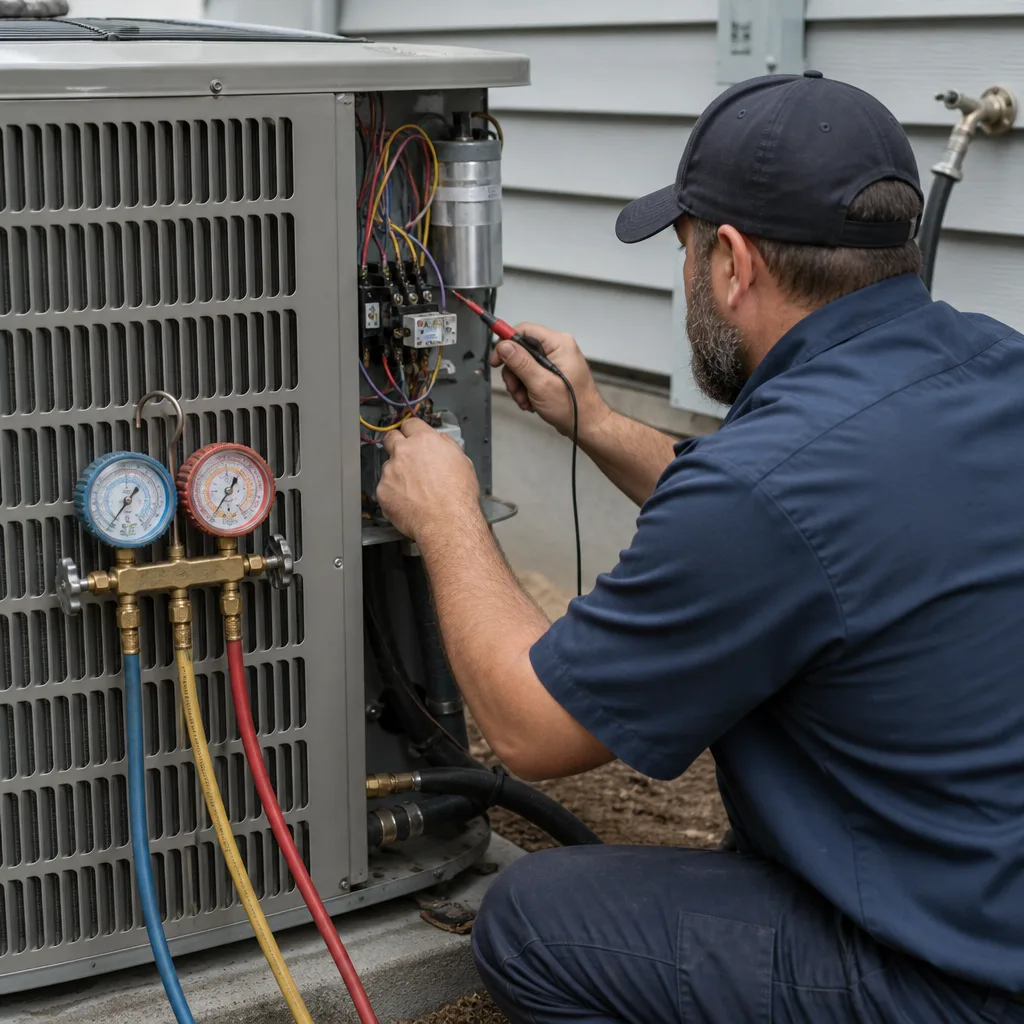
Seasonal tune-up and full diagnostic on your Carrier, Trane, or Goodman system - readings shown to you before any repair is proposed
Diagnosis first, numbers second - you approve the repair price before a single part goes in.
Get your free estimateHVAC Cost Breakdown: The Alpharetta Homeowner’s Reference for 2026
The sticker price on an HVAC quote in Alpharetta routinely understates true project cost by $400 to $900. Permit fees, refrigerant recovery, haul-away of old equipment, and electrical disconnect upgrades are often listed as line-item add-ons rather than included in the base price. That structure is legal, but it makes comparison shopping nearly impossible. This reference puts real 2026 dollar ranges on every major HVAC expense so you can evaluate quotes with confidence instead of guessing. By the time you finish reading, you’ll know exactly which questions to ask before signing anything, what a fair price looks like for your home’s size, and how financing terms quietly change what a system actually costs you. For additional reading, explore our more guides & resources.
Quick Answer
A full HVAC system replacement in Alpharetta costs $7,800 to $14,200 installed in 2026, depending on system size, efficiency rating, and equipment brand. A 3-ton split system, the most common configuration for Alpharetta’s 1,800 to 2,400 square foot homes, typically runs $8,400 to $11,600 with labor included. Repairs average $180 to $850 per visit, with emergency service after hours carrying a $95 to $160 premium over standard rates.
Styles & brands we work with
Table of Contents
- Real Installed Costs for Alpharetta Home Configurations
- The Full List of Legitimate Add-On Costs Nobody Mentions Upfront
- How Financing Terms Actually Change Your Total Cost
- The Repair vs. Replace Formula: A Dollar-Based Threshold
- What a Written Price Guarantee Means in Practice
- How Alpharetta’s Climate Shapes Equipment Choices and Long-Term Costs
- Brand Pricing: What You Pay for the Nameplate
- Common Mistakes to Avoid
- When to Call a Professional
- Frequently Asked Questions
Real Installed Costs for Alpharetta Home Configurations
Most published HVAC pricing online is national averages, which means it reflects markets like rural Kansas and suburban Ohio as much as it does our area. Alpharetta’s labor market, code requirements, and housing stock create a distinct pricing profile. Here’s what we actually see in 2026 for the three most common home sizes in Alpharetta, with equipment and labor broken out separately so you can see where your money goes.
2-Ton Split System: For Homes Up to 1,200 Square Feet
Condos, townhomes, and smaller ranch houses in Alpharetta’s older neighborhoods, particularly around Wills Park and parts of downtown, often run on 2-ton systems. These smaller units are straightforward to install, which keeps labor costs down.
| Component | 2026 Cost Range |
|---|---|
| Equipment (condenser, evaporator coil, air handler) | $3,400 to $5,200 |
| Labor (removal, installation, startup, testing) | $2,600 to $3,400 |
| Materials (line set, pad, disconnect box, UV filter, thermostat if needed) | $700 to $1,100 |
| Total Installed | $6,700 to $9,700 |
However, the low end assumes your existing ductwork, electrical disconnect, and thermostat are in good shape and compatible with the new system. In the Cherokee County section of Alpharetta, some older homes need a duct modification or a new thermostat, which adds $300 to $900.
3-Ton Split System: For Homes 1,800 to 2,400 Square Feet
This is the workhorse configuration for Alpharetta’s suburban neighborhoods, including Kimball Bridge, Windward, and Crabapple. A 3-ton system typically moves 1,200 CFM of air, enough for the open floor plans common in north Fulton and south Cherokee construction.
| Component | 2026 Cost Range |
|---|---|
| Equipment (condenser, evaporator coil, air handler) | $4,200 to $6,800 |
| Labor (removal, installation, startup, testing) | $3,000 to $4,200 |
| Materials (line set, pad, disconnect box, UV filter, thermostat if needed) | $800 to $1,300 |
| Total Installed | $8,400 to $11,600 |
The spread comes from efficiency rating. A 14 SEER2 Goodman system lands near the bottom of this range. A 18 SEER2 variable-speed Trane or Lennox system with a communicating thermostat lands near the top. The equipment itself accounts for roughly half the total, which is why two quotes for the same size system can differ by $3,000 even when both contractors are being honest.
4-Ton Split System: For Homes 2,600 to 3,400 Square Feet
Larger homes in Alpharetta’s Windward, Milton, and Country Club of the South areas frequently use 4-ton systems. These homes often have high ceilings and substantial window exposure, so the cooling load is real. A 4-ton system requires more refrigerant, a larger line set, and often a more substantial electrical circuit, all of which push materials and labor up.
| Component | 2026 Cost Range |
|---|---|
| Equipment (condenser, evaporator coil, air handler) | $5,000 to $8,200 |
| Labor (removal, installation, startup, testing) | $3,400 to $4,800 |
| Materials (line set, pad, disconnect box, UV filter, thermostat if needed) | $900 to $1,500 |
| Total Installed | $9,300 to $14,200 |
If your home needs a 4-ton system and you’re getting quotes below $9,000, ask what’s not included. In our experience, that number usually means the contractor is omitting permit fees, refrigerant, or the electrical disconnect upgrade, all of which will appear on the final invoice.
The Full List of Legitimate Add-On Costs Nobody Mentions Upfront
Add-on costs are the single biggest source of homeowner frustration in HVAC replacement. They’re legitimate expenses, but when they appear as surprises on a final invoice, they feel like bait-and-switch. Here’s every add-on you should anticipate in Alpharetta, with 2026 price estimates.
1. Permit Fees: $150 to $450
Alpharetta spans both Fulton County and Cherokee County, and permit requirements differ between them. Fulton County’s mechanical permit for an HVAC replacement runs $150 to $300, while Cherokee County’s runs $120 to $250. Some contractors include this in the base price; others list it as a separate line item. Ask explicitly: “Does your quote include the permit fee for my county?” If the contractor says permits aren’t required for replacement work, that’s a red flag. Georgia state law requires mechanical permits for HVAC replacement in both counties.
2. Refrigerant Recovery and Handling: $80 to $250
The old system’s refrigerant must be recovered using EPA-certified equipment before the unit is removed. This is not optional, and the cost depends on how much refrigerant remains in the system. Most replacement jobs involving R-410A or R-22 run $80 to $250 for recovery and documentation. If a contractor’s quote includes “refrigerant disposal” or “recovery” as a line item, that’s normal. If it’s absent, ask where this cost lives.
3. Electrical Disconnect Upgrade: $250 to $600
Alpharetta building codes often require the outdoor disconnect box to be upgraded during a system replacement, particularly if the existing disconnect does not meet current code for the new system’s amp draw. This is a safety requirement, not an upsell. Expect $250 to $600 for the box, labor, and any necessary wiring changes.
4. Duct Modification Labor: $300 to $900
New systems rarely match the old system’s return and supply plenum exactly. When they don’t, the installer needs to modify the duct transition at the air handler. This is routine and should be included in the base labor estimate. However, some contractors quote the modification separately. In Alpharetta’s older homes, particularly in the Enclave at Rucker and parts of downtown, transitional ductwork from the 1980s and 1990s often needs more extensive modification than in newer construction.
5. Thermostat Upgrade: $180 to $450
If the new system is two-stage or variable-speed, the old single-stage thermostat won’t control it properly. A communicating thermostat is required for many high-efficiency systems and costs $180 to $450 installed. Some brands, including Rheem and Lennox, offer proprietary communicating thermostats that cost more but unlock the full efficiency rating of the equipment.
6. Haul-Away and Disposal: $80 to $200
Removing the old equipment from the property costs $80 to $200, depending on whether the contractor uses a dedicated disposal service or handles it in-house. Some companies include this; others don’t. Ask before signing.
How Financing Terms Actually Change Your Total Cost
A $9,000 system is rarely paid for in cash. In Alpharetta, most homeowners finance replacement through HVAC company financing programs, home equity lines, or credit cards. The financing terms you choose can add $1,800 to $5,400 to your total cost, and most homeowners never calculate this number before signing.
Here’s what a $9,000 system actually costs under three common financing structures in 2026, with interest rates reflecting current market conditions for qualified borrowers.
36-Month Plan at 6.9% APR
- Monthly payment: $277
- Total interest paid: $983
- Total cost of the system: $9,983
60-Month Plan at 8.9% APR
- Monthly payment: $186
- Total interest paid: $2,185
- Total cost of the system: $11,185
84-Month Plan at 10.9% APR
- Monthly payment: $153
- Total interest paid: $3,851
- Total cost of the system: $12,851
The trap to watch for is deferred-interest financing. Many HVAC financing programs advertise “no interest for 12 months.” If you don’t pay off the full balance within that 12-month window, interest accrues retroactively from the purchase date at a much higher rate, often 18% to 24%. On a $9,000 system with 22% retroactive interest, missing the payoff date by one month means you owe the full year of accumulated interest, roughly $1,980, all at once. Before you sign a deferred-interest agreement in Alpharetta, calculate exactly what your monthly payment would need to be to clear the balance inside the promo window, and confirm that payment is realistic for your household.
The Repair vs. Replace Formula: A Dollar-Based Threshold
Every homeowner faces this question eventually: fix the old system or replace it? Here’s the actual formula that makes sense for Alpharetta homes in 2026.
Step 1: Determine the System’s Age
Find the serial number on the outdoor condenser. Most manufacturers encode the year of manufacture in the first four digits. A system over 12 years old is already past the midpoint of its expected service life in Georgia’s climate, where compressors work hard from April through October.
Step 2: Identify the Refrigerant Type
Look for the refrigerant label on the outdoor unit. If it says R-22, the system was almost certainly installed before 2010. R-22 is no longer produced in the United States and supplies are dwindling. Recharging an R-22 system in Alpharetta now costs $150 to $300 per pound, and most systems hold 6 to 10 pounds. That means a simple leak repair plus recharge on an R-22 system can hit $1,400 to $2,600. If your system uses R-410A, the math is different, since R-410A is still widely available, though prices have risen in the last two years.
Step 3: Calculate the Repair Cost as a Percentage of Replacement Cost
Take the repair quote and divide it by the estimated cost of a full replacement. If your repair is $1,800 and a new 3-ton system costs $10,500 installed, the ratio is 17%. Under 20%, repair generally makes sense for systems under 10 years old. Between 20% and 40%, replace if the system is over 8 years old. Over 40%, replace regardless of age. The reasoning: you are spending nearly half the cost of new equipment on a system that has already depreciated most of its value and may fail again within 18 months.
Step 4: Apply the Alpharetta Climate Multiplier
Georgia’s cooling season runs longer than the national average. Your system runs more hours per year than the same unit in Ohio or Michigan. This means a 10-year-old system in Alpharetta has accumulated more runtime hours than a 10-year-old system in the Midwest. If your system is 12 years old and the repair quote is over $2,000, replacement is almost always the better financial decision when you factor in the efficiency gains of new equipment. A new 16 SEER2 system can cut cooling costs by 20% to 30% compared to a 10 SEER unit from 2008.
What a Written Price Guarantee Means in Practice
Most homeowner complaints about HVAC replacement follow the same pattern. The sales representative quotes a price verbally. The work gets done. The final invoice includes line items that were never discussed, or the price has grown by $600 to $1,500. The homeowner pays because the work is already done and arguing feels exhausting.
A written price guarantee prevents this entire scenario. It means the number you see on paper before the work starts is the number you pay when the work is finished. No add-ons, no undisclosed permit fees, no “we found an issue during installation” invoices. In our experience, this single practice eliminates the vast majority of disputes between HVAC companies and Alpharetta homeowners.
Here’s what to verify before you sign any replacement contract in Alpharetta:
- Ask for the total price in writing, including every line item, before the install date. If the contractor won’t do this, find a different contractor. There is no legitimate reason to withhold this document.
- Confirm in writing that the price includes permit fees for your specific county. Fulton and Cherokee have different fee structures, and you should see your county’s fee listed.
- Ask what happens if the new system is defective or fails within the first year. The contractor’s labor warranty should cover diagnosis and repair at no charge during that window.
- Get the clean-up commitment in writing. Will the crew protect your floors? Will they remove all packaging? If this isn’t stated, assume it isn’t guaranteed.
These are not unreasonable requests. Any professional HVAC company in Alpharetta should welcome them. At Meadowsweet Heating and Air Alpharetta home, we put a written price in your hands before any work starts, every time. It’s the same standard we apply across all our work, from AC Repair in Alpharetta to full system replacement. The number you see is the number you pay.
How Alpharetta’s Climate Shapes Equipment Choices and Long-Term Costs
Alpharetta sits in a humid subtropical zone with the same humidity profile as much of the Gulf Coast. Our summers bring 90-degree days with dew points in the low 70s from late May through early September. This is not a dry heat. It’s a humidity problem that your HVAC system solves, and it affects two things: the equipment you should buy and the maintenance you should follow.
Humidity Control Changes the Efficiency Calculation
In a dry climate, a higher SEER rating translates almost directly into lower electric bills. In Alpharetta, the picture is more complicated, because your system spends many of its operating hours removing moisture from the air, not just dropping the temperature. Variable-speed systems, which run longer at lower speeds, remove more humidity than single-stage systems of the same rated efficiency. This is why a 16 SEER2 variable-speed system can feel more comfortable than a 18 SEER2 single-stage system in Alpharetta’s August humidity. If you’re comparing quotes, ask about the stage count, not just the SEER number.
Maintenance Costs Are Higher Here Than the National Average
Compressor coils in Alpharetta collect a thicker layer of pollen and biological growth than they would in Arizona or Nevada. The spring pollen season, starting in late February, coats outdoor coils with a yellow film that reduces heat transfer. Summer thunderstorms splash soil and grass clippings onto the base of the unit. Without a seasonal cleaning, a system can lose 5% to 10% of its efficiency in a single season. Plan on two maintenance visits per year, one in early March before cooling season and one in October before heating season, as outlined in our Seasonal HVAC Care for Alpharetta: Year-Round Homeowner’s Guide. Most Alpharetta HVAC companies charge $90 to $180 per visit for a standard tune-up.
Furnace Size Matters as Much as AC Size
Alpharetta winters are mild compared to the Midwest, with January lows averaging around 33 degrees. But the homes here are built for cooling, not heating. Insulation levels, air sealing, and duct design were specified for the original air conditioning load, which means the furnace portion of a replacement job can be undersized if the contractor simply matches the old unit’s capacity. A properly sized furnace for a 2,400 square foot Alpharetta home is usually 60,000 to 80,000 BTU. If a quote calls for something significantly different, ask for the load calculation. We’ve seen cases where replacing an oversized furnace with a properly sized one reduced utility bills by $40 to $70 per month during winter.
For homeowners dealing specifically with furnace issues, our Furnace Repair in Alpharetta guide covers diagnosis, repair costs, and what to expect when your heat goes out during one of our occasional cold snaps.
Brand Pricing: What You Pay for the Nameplate
Nine major brands dominate the Alpharetta market, and they do not all cost the same. Understanding brand pricing structure helps you evaluate whether an extra $2,000 on a quote represents real value or just a nameplate markup.
The Value Tier: Goodman and Rheem
Goodman and Rheem equipment represents the strongest value proposition in Alpharetta right now. A 15 SEER2 Goodman 3-ton split system costs $4,200 to $4,800 for equipment alone. A comparable Rheem runs $4,400 to $5,200. Both brands offer 10-year parts warranties when the system is registered within 60 days of installation, and both have strong parts availability in Georgia. What you give up compared to premium brands is the refined cabinet design, more sophisticated controls, and sometimes slightly higher sound levels. For most Alpharetta families, this tier makes the most financial sense.
The Premium Tier: Trane and Lennox
Trane and Lennox systems carry a 15% to 25% equipment premium over the value tier. A 16 SEER2 Trane 3-ton split system runs $5,800 to $6,600 for equipment. The premium buys you a heavier-dutier compressor, a sturdier cabinet that resists coil damage from Alpharetta’s frequent hailstorms, and often quieter operation, with some units rated as low as 55 decibels. If your condenser sits near a bedroom window or a patio where you spend evenings, the quieter operation has real value. But understand that the efficiency gain from a 16 SEER2 Trane over a 16 SEER2 Goodman is essentially zero. The efficiency rating is the efficiency rating, regardless of brand. You’re paying for build quality, noise control, and the warranty support network, not for a lower electric bill.
At Meadowsweet Heating and Air, we service all nine major brands, including Trane, Lennox, Goodman, and Rheem. For homeowners planning a system replacement, our AC Installation in Alpharetta page walks through sizing, SEER selection, and what to expect during the installation process.
Common Mistakes to Avoid
- Comparing quotes by total price without comparing line items. Two quotes can both say $10,500, but one includes the permit, the electrical upgrade, and the haul-away while the other doesn’t. The second quote will cost you $600 to $900 more than the first once the invoices settle. Ask every contractor for a line-item breakdown.
- Buying the highest SEER rating assuming the payback is automatic. In Alpharetta, the payback period for a jump from 14 SEER2 to 20 SEER2 is 12 to 18 years, longer than the system’s expected service life for some households. Unless you plan to stay in the home for two decades, a mid-tier efficiency system with a strong warranty is usually the better financial decision.
- Replacing a compressor on a 10+ year old R-22 system. A compressor replacement on an R-22 system runs $2,200 to $3,500, and the system still runs on a refrigerant that costs $150 to $300 per pound to recharge. You’re spending 30% to 40% of a new system’s cost on equipment that may fail again within two years or develop another leak in the R-22 circuit.
- Assuming the thermostat doesn’t matter. If you’re installing a two-stage or variable-speed system and keep the old single-stage thermostat, the new system runs as a single-stage unit. You paid for efficiency features that never activate. Budget $180 to $450 for a compatible thermostat.
- Skipping the written price requirement. Verbal price agreements are where post-installation invoice surprises live. If a contractor in Alpharetta won’t put the number in writing before the work starts, walk away. There are at least a dozen qualified HVAC companies in this market who will.
- Ignoring the 12-month deferred-interest trap. If you finance a $9,000 system on a 12-month no-interest plan and miss the payoff date by a single month, you owe roughly $1,980 in retroactive interest. Calculate your required monthly payment before you sign, not after.
When to Call a Professional
Some HVAC situations are house calls, not do-it-yourself projects. If your system is blowing warm air on a 92-degree July afternoon in Alpharetta, the problem could be anything from a failed capacitor to a refrigerant leak. Electrical work inside the condenser and refrigerant handling require training and EPA certification, both for safety and for legal compliance. Working on a condenser’s high-voltage circuit or handling refrigerant without proper equipment can cause serious injury. If your system is noisy, leaking water, cycling on and off rapidly, or if your furnace is making a burning smell, call a professional rather than opening the unit yourself. Meadowsweet Heating and Air Alpharetta offers free estimates in Alpharetta, with a live person answering the phone 24 hours a day. Call (478) 606-5046 and we’ll help you determine whether the issue is urgent or can wait.
Frequently Asked Questions
A new HVAC system in Alpharetta costs $7,800 to $14,200 installed in 2026, depending on system size, efficiency rating, and brand. A 3-ton system, the most common size for Alpharetta homes between 1,800 and 2,400 square feet, runs $8,400 to $11,600 including equipment, labor, and standard materials. Call (478) 606-5046 for a written quote specific to your home’s configuration.
Homes up to 1,200 square feet typically need a 2-ton system; homes from 1,800 to 2,400 square feet need a 3-ton system; and homes from 2,600 to 3,400 square feet need a 4-ton system. The only accurate way to determine your home’s requirement is a Manual J load calculation, which accounts for insulation, window exposure, ceiling height, and orientation. Beware of any contractor who sizes a replacement by simply matching the old unit without verifying the load.
Standard HVAC repairs in Alpharetta run $180 to $850 per visit, with most common failures, like capacitors, contactors, and drain line blockages, falling in the $250 to $450 range. Emergency after-hours service adds $95 to $160 to the standard rate. A compressor replacement runs $2,200 to $3,500 depending on system size and refrigerant type.
Replace the system if the repair cost exceeds 40% of the replacement cost, or if the system is over 8 years old and the repair exceeds 20% of replacement cost. Systems over 12 years old that use R-22 refrigerant should almost always be replaced rather than repaired, since R-22 refrigerant now costs $150 to $300 per pound in Alpharetta and a full recharge alone can cost over $1,500.
Yes. Georgia state law requires mechanical permits for HVAC replacement in both Fulton County and Cherokee County, the two counties that include Alpharetta. Fulton County mechanical permit fees run $150 to $300; Cherokee County fees run $120 to $250. Your contractor’s quote should clearly state whether the permit fee is included.
A standard single-system replacement in Alpharetta takes 4 to 8 hours for a well-organized crew, typically starting in the morning and finishing the same day. Larger jobs involving duct modification, multiple systems, or complex electrical upgrades may extend into a second day. The work includes removal of old equipment, installation of the new system, evacuation and charging of the refrigerant line set, startup testing, and clean-up. For a replacement quote with an exact installation timeline, call (478) 606-5046.
Our 365-Day Done Right Promise means if any part of the work we performed fails or doesn’t hold up within a full year, we come back and make it right at no charge. This covers installation defects, workmanship issues, and any problem directly caused by our work. We also include shoe covers and drop cloths on every visit to protect your floors, and we send a photo of the clean-up before the crew leaves your home.
The Bottom Line
HVAC pricing in Alpharetta in 2026 is not a mystery when you know what to look for. A 3-ton system costs $8,400 to $11,600 installed, with equipment and labor roughly splitting the total. Add-on costs like permits, refrigerant recovery, electrical upgrades, and duct modification add $500 to $1,500 unless they’re explicitly included. Financing can add thousands more if you don’t calculate the total interest before signing. The single most important thing you can do is demand a written price before the work starts and insist on seeing the line items. That one step eliminates most of the unpleasant surprises in this industry and puts you in control of the transaction from the first conversation to the final walkthrough.
Written by Luis Serrano, Owner at Meadowsweet Heating and Air Alpharetta, serving Alpharetta since 2004.
See the difference
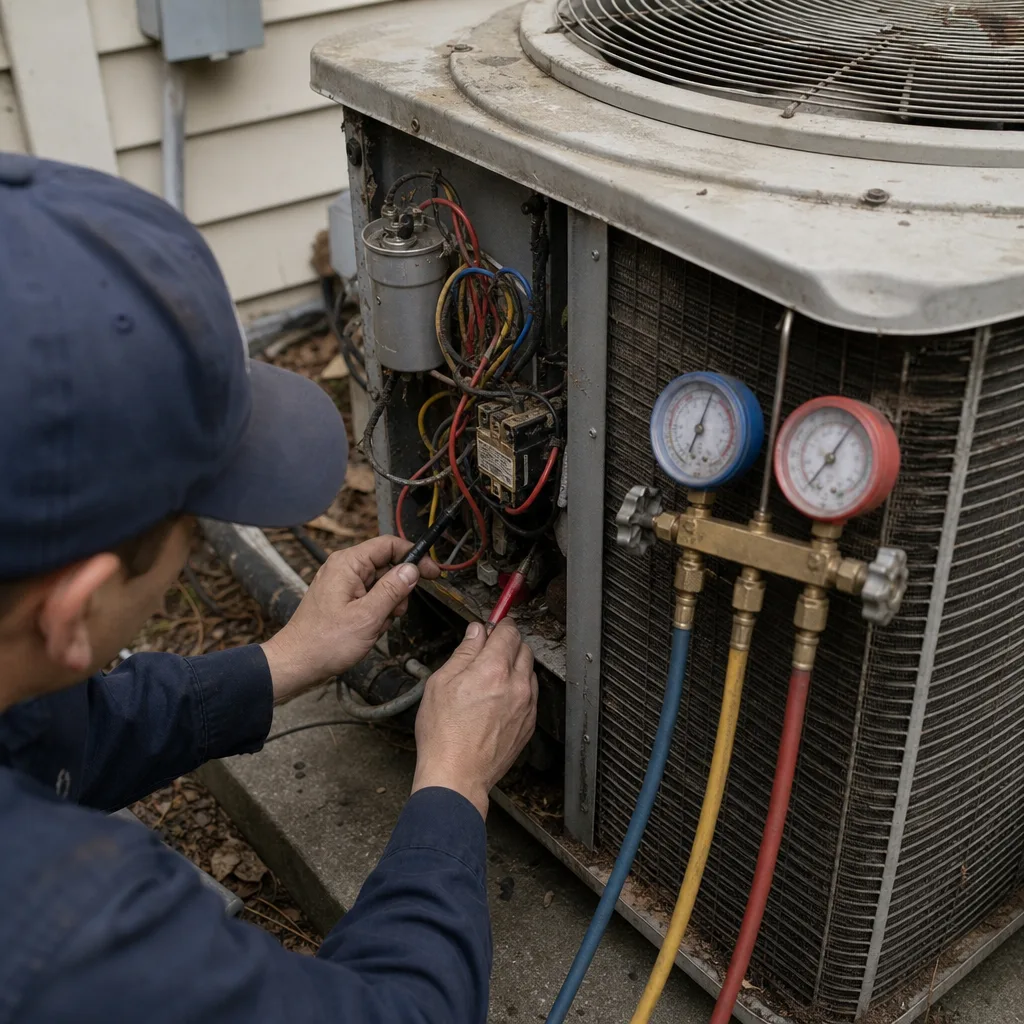 Before
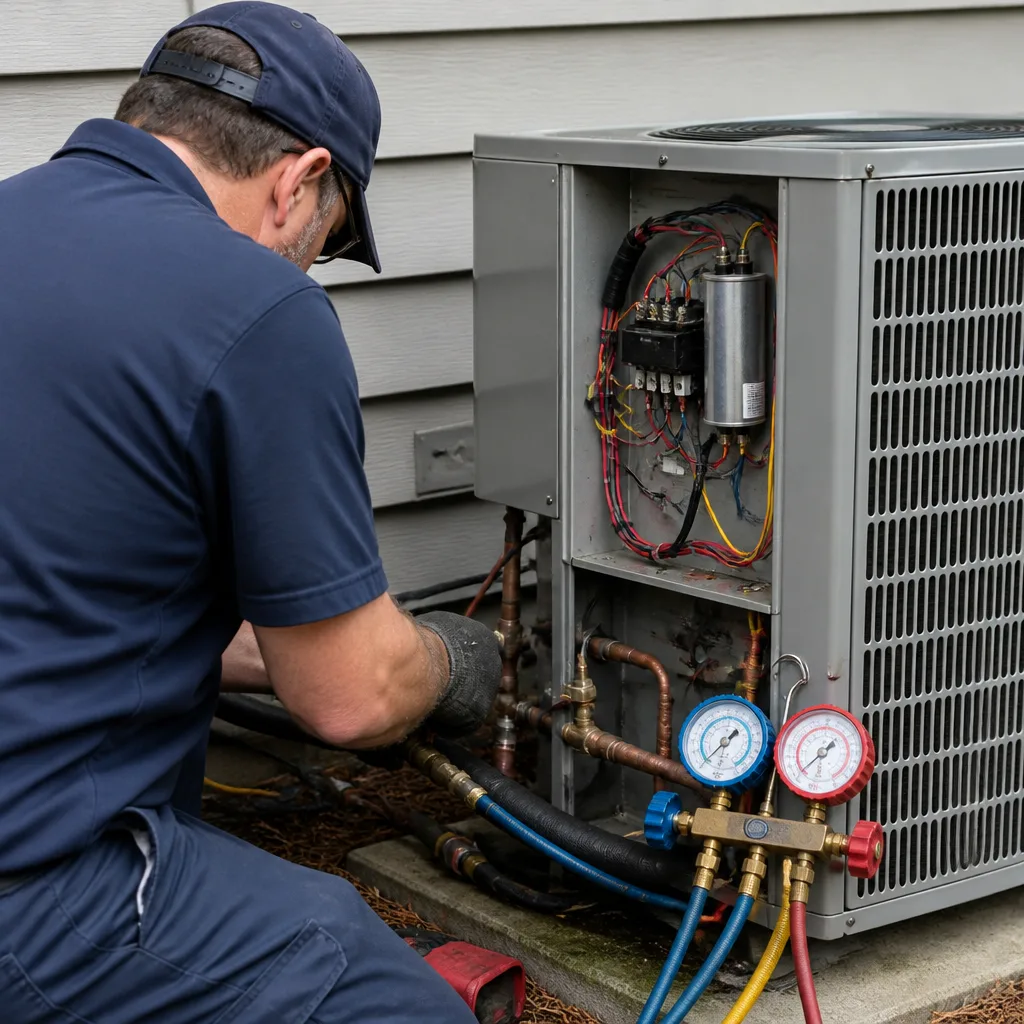 After
After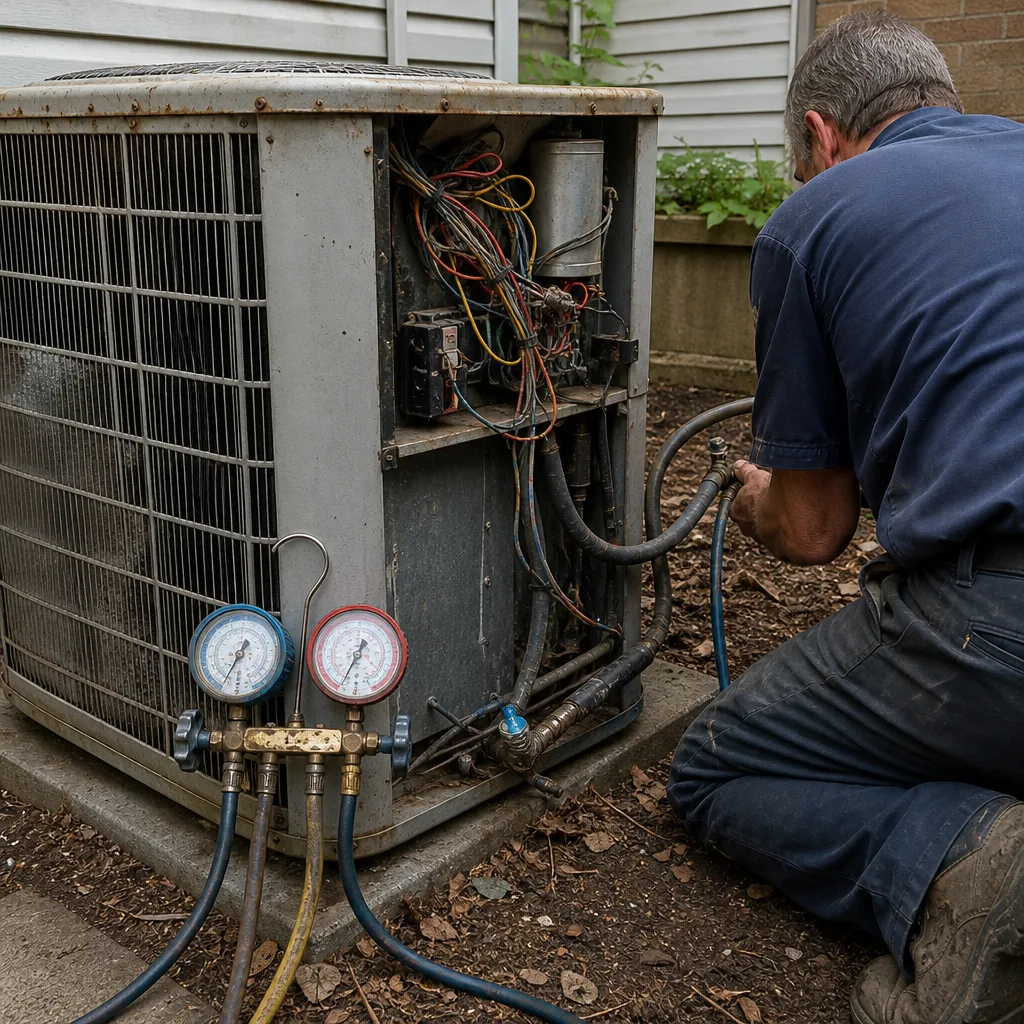 Before
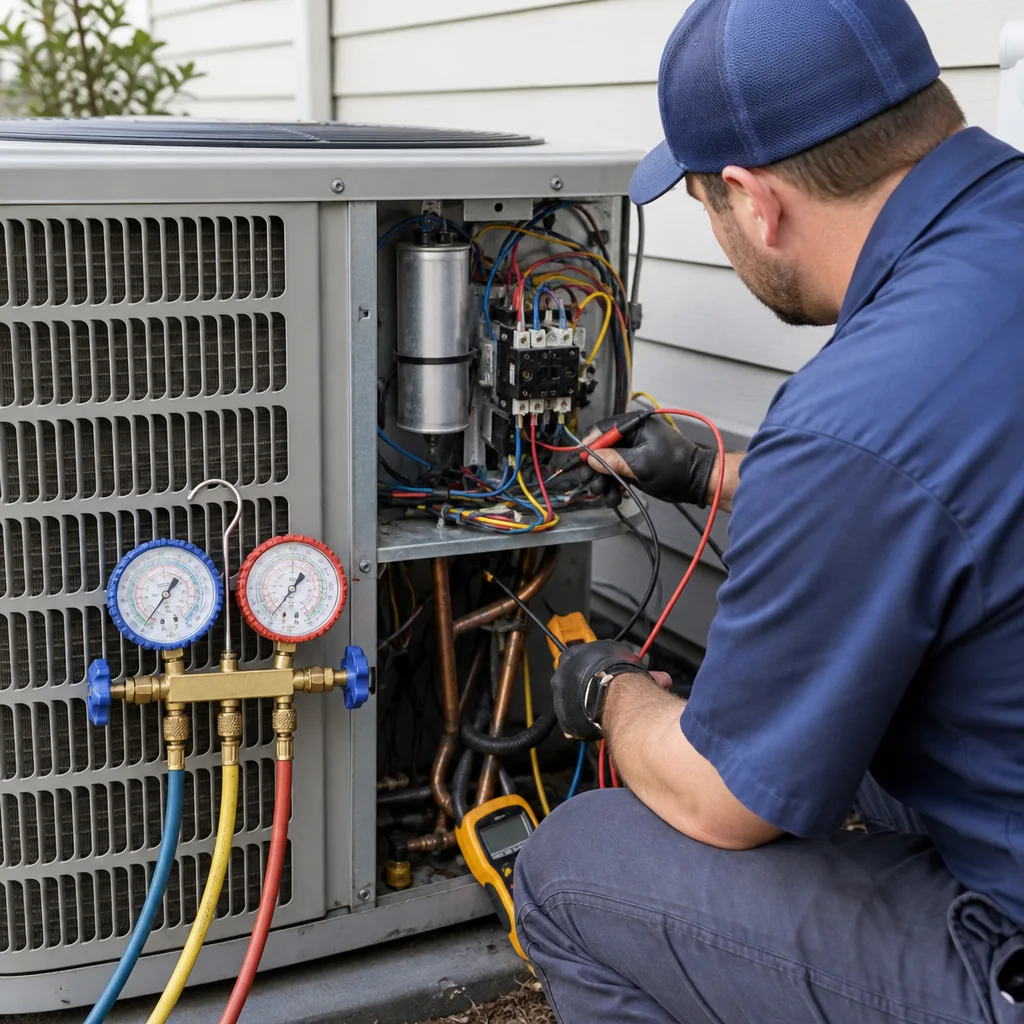 After
After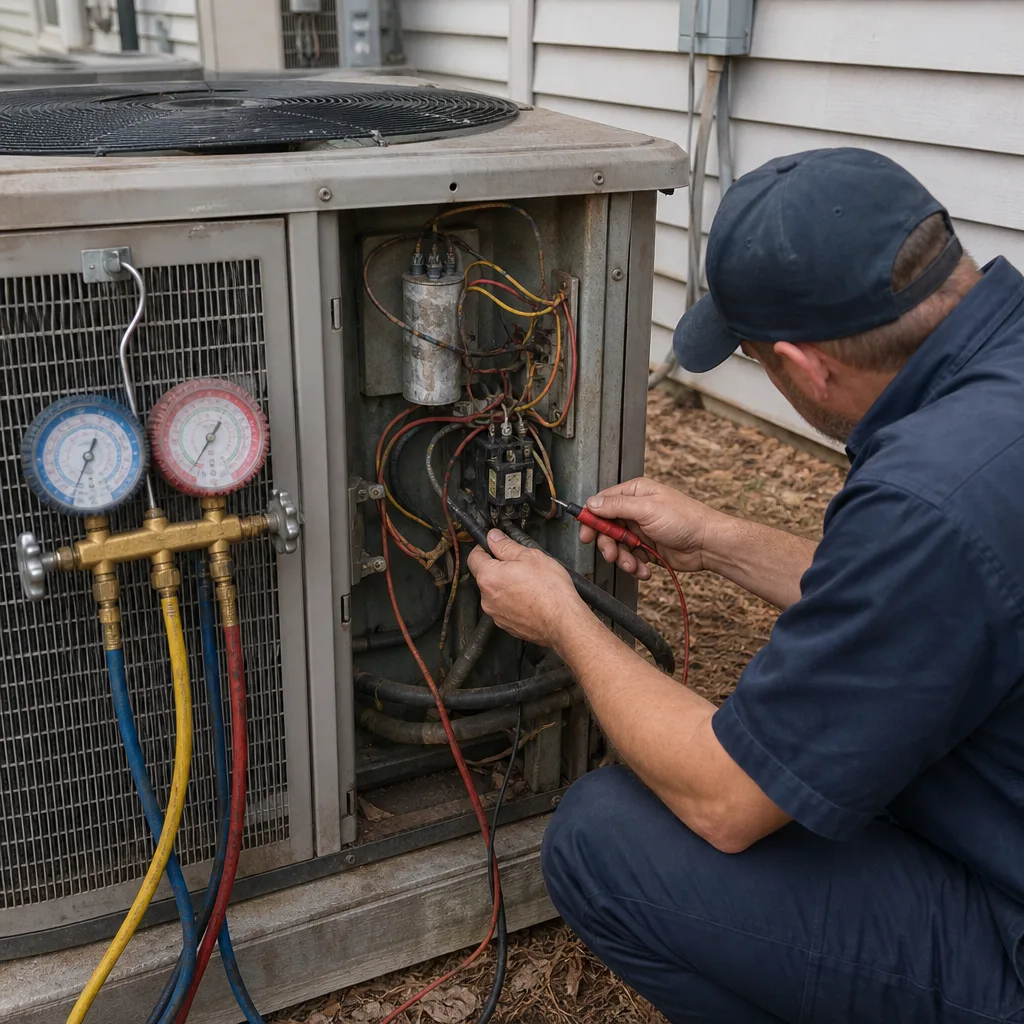 Before
 After
After