
Last updated October 16, 2026
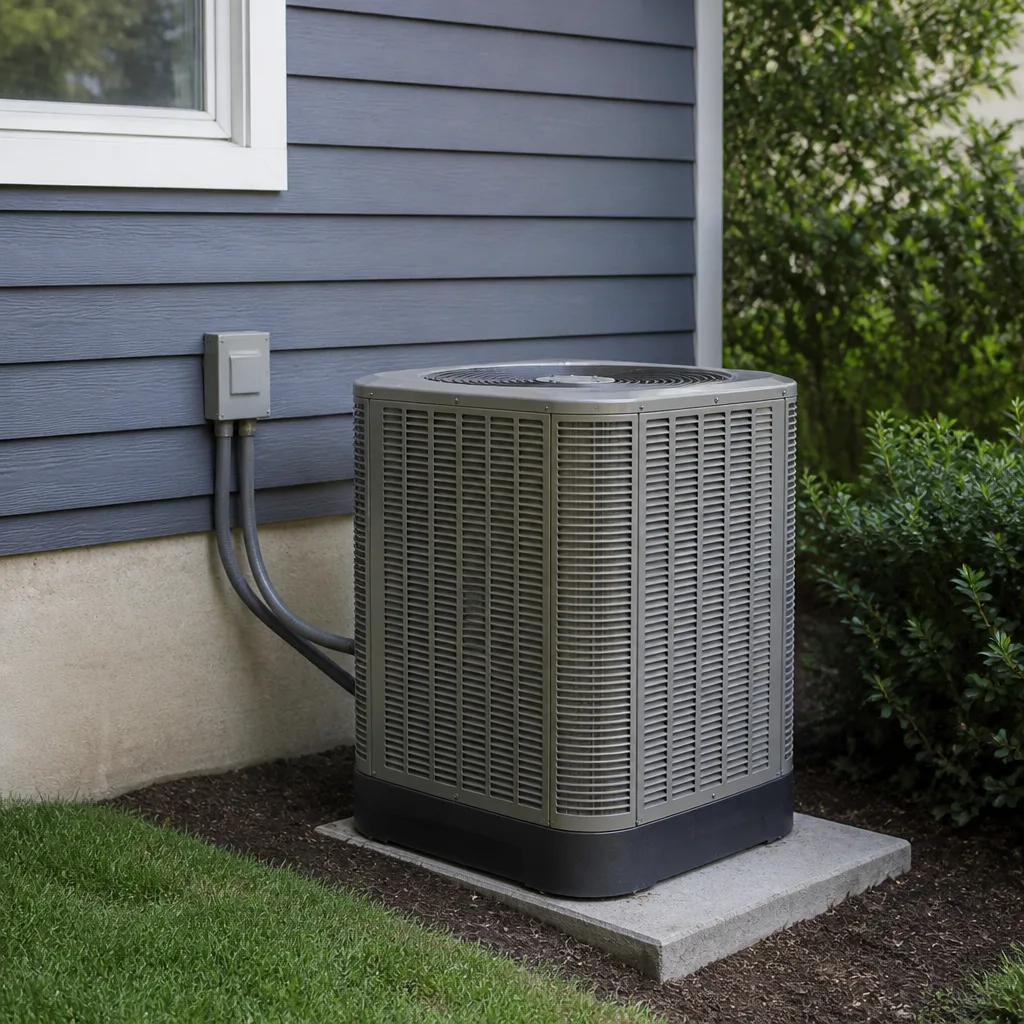 AC repair
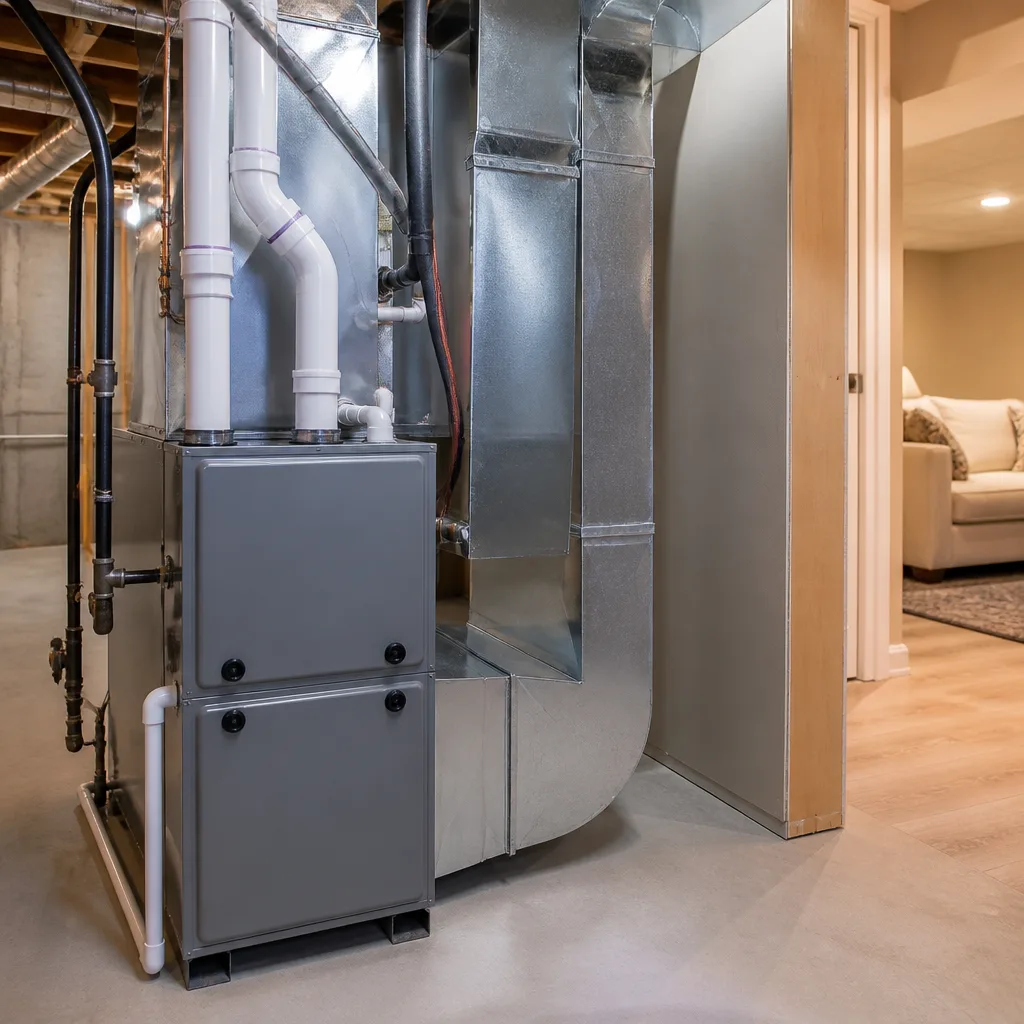 Furnace & heating
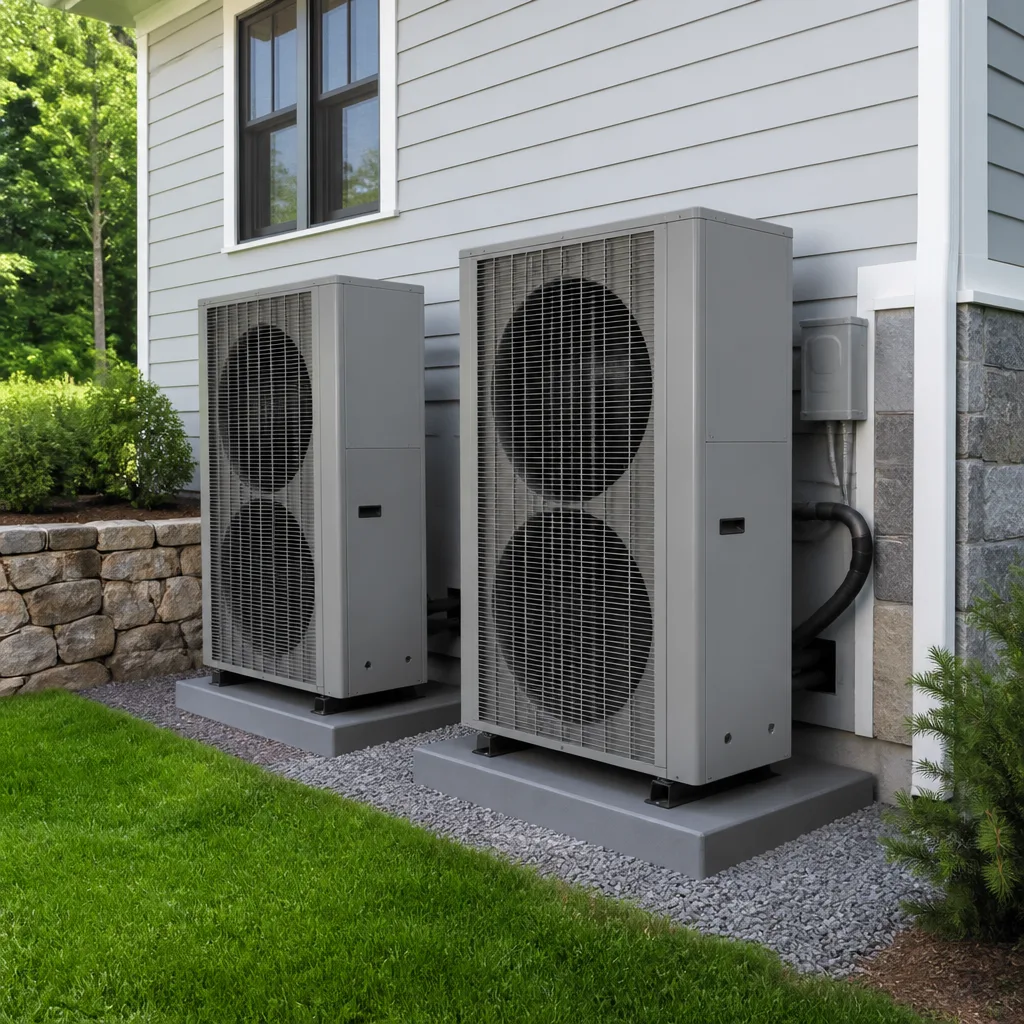 Heat pumps
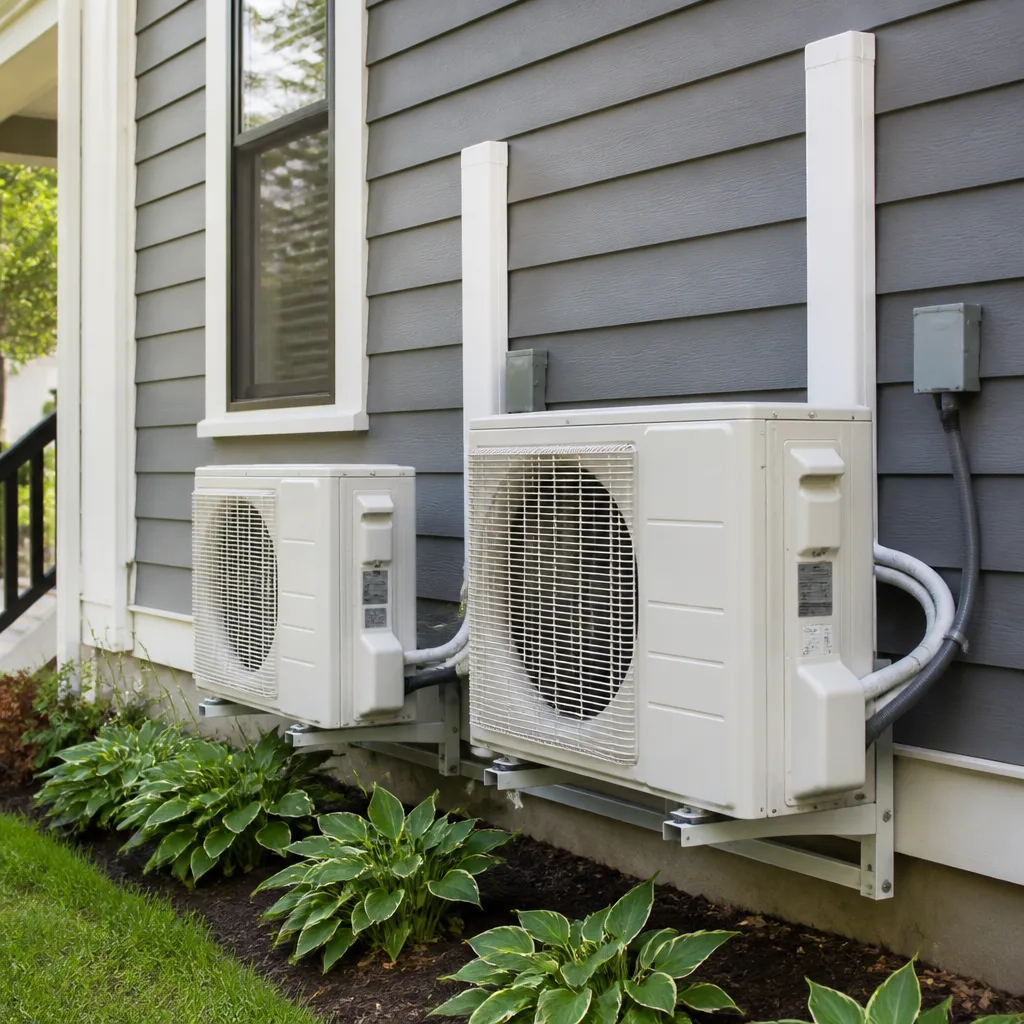 Ductless mini splits
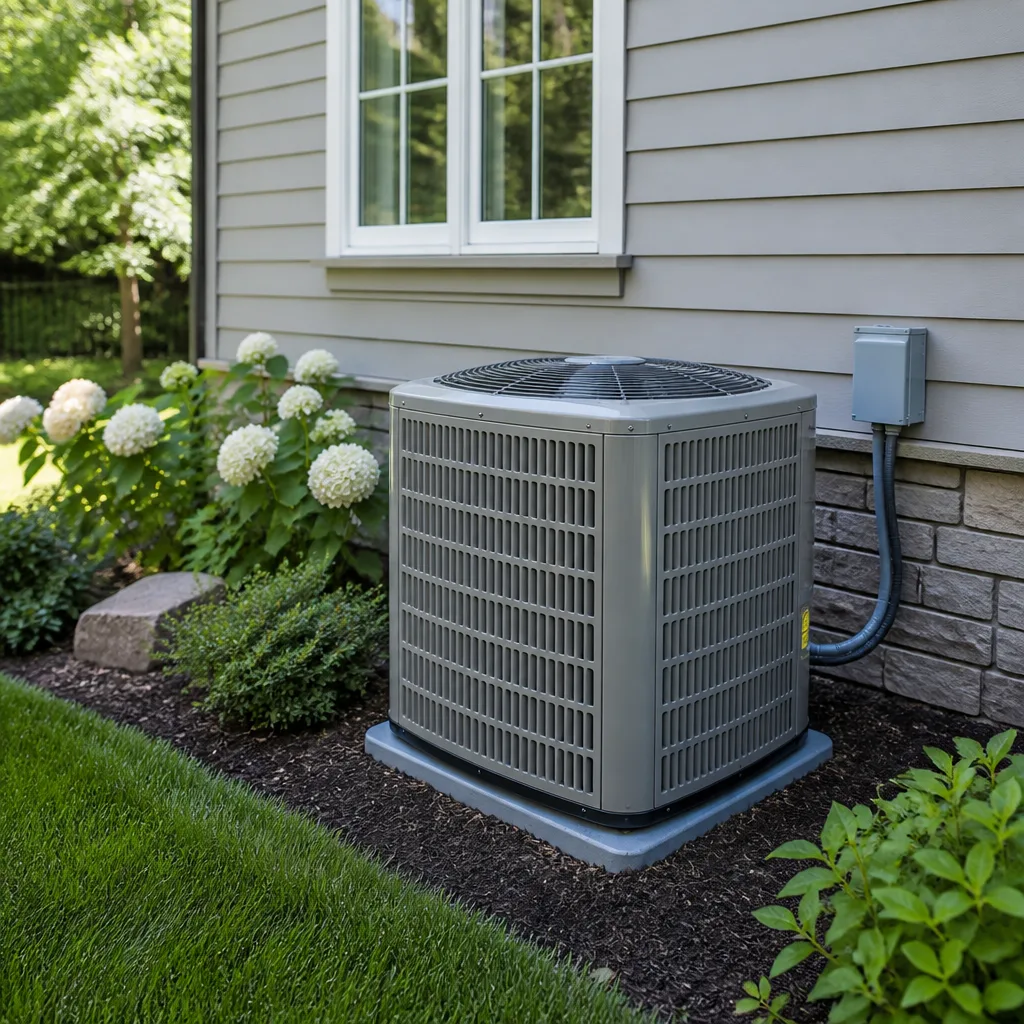 Carrier
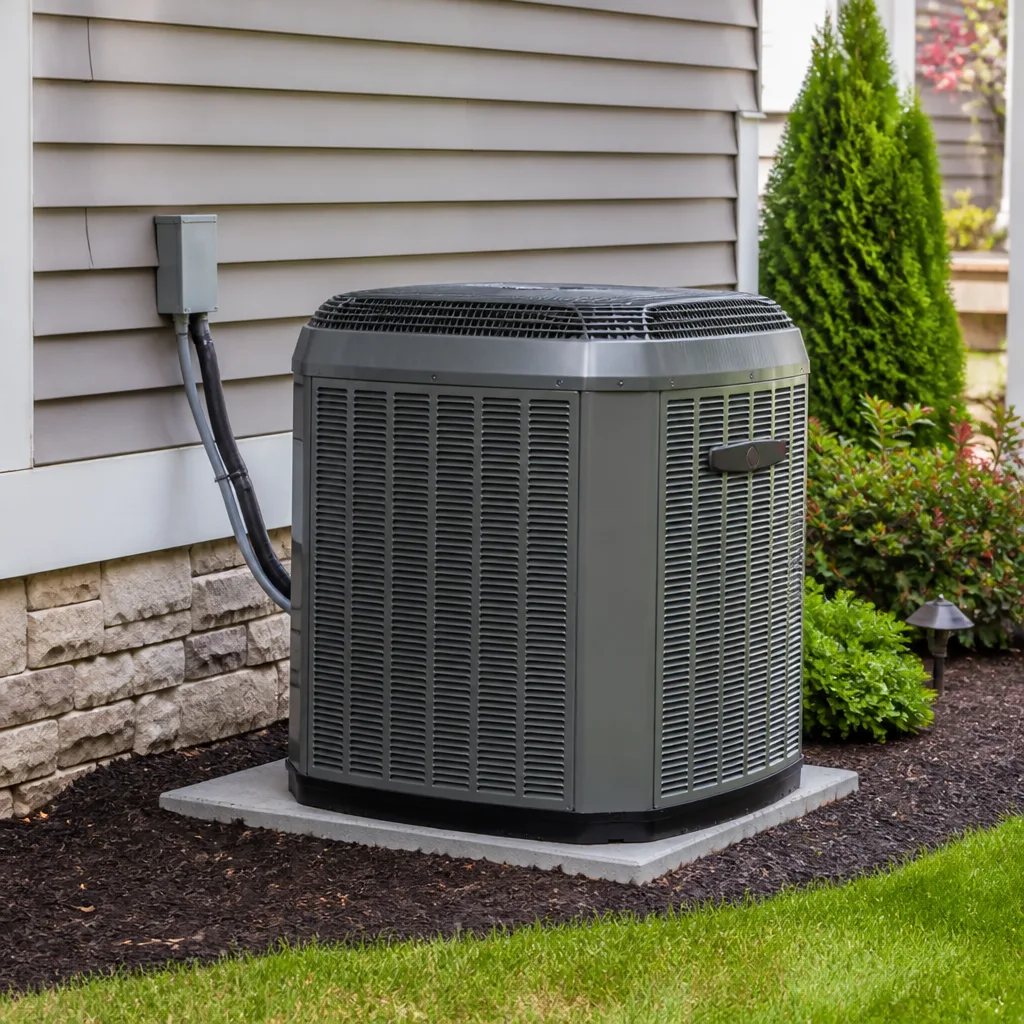 Trane
Trane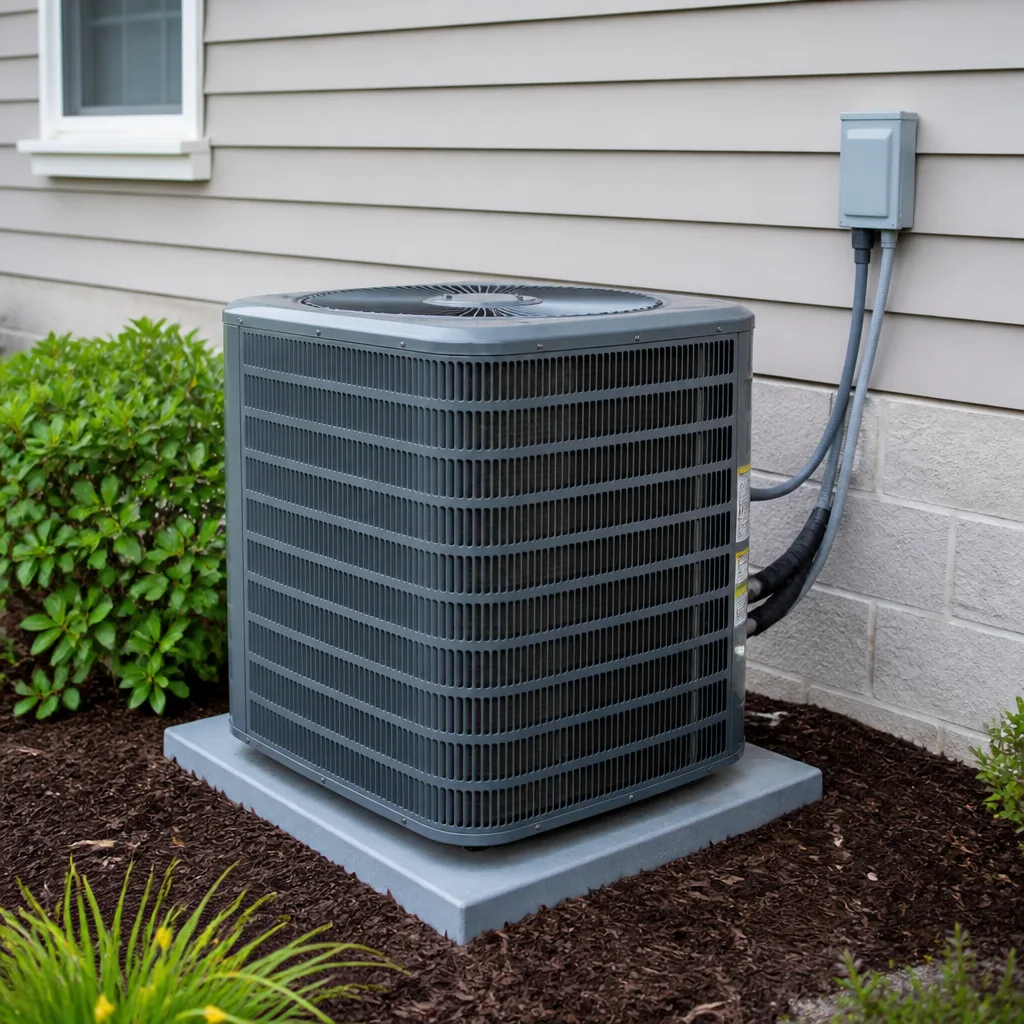 Goodman
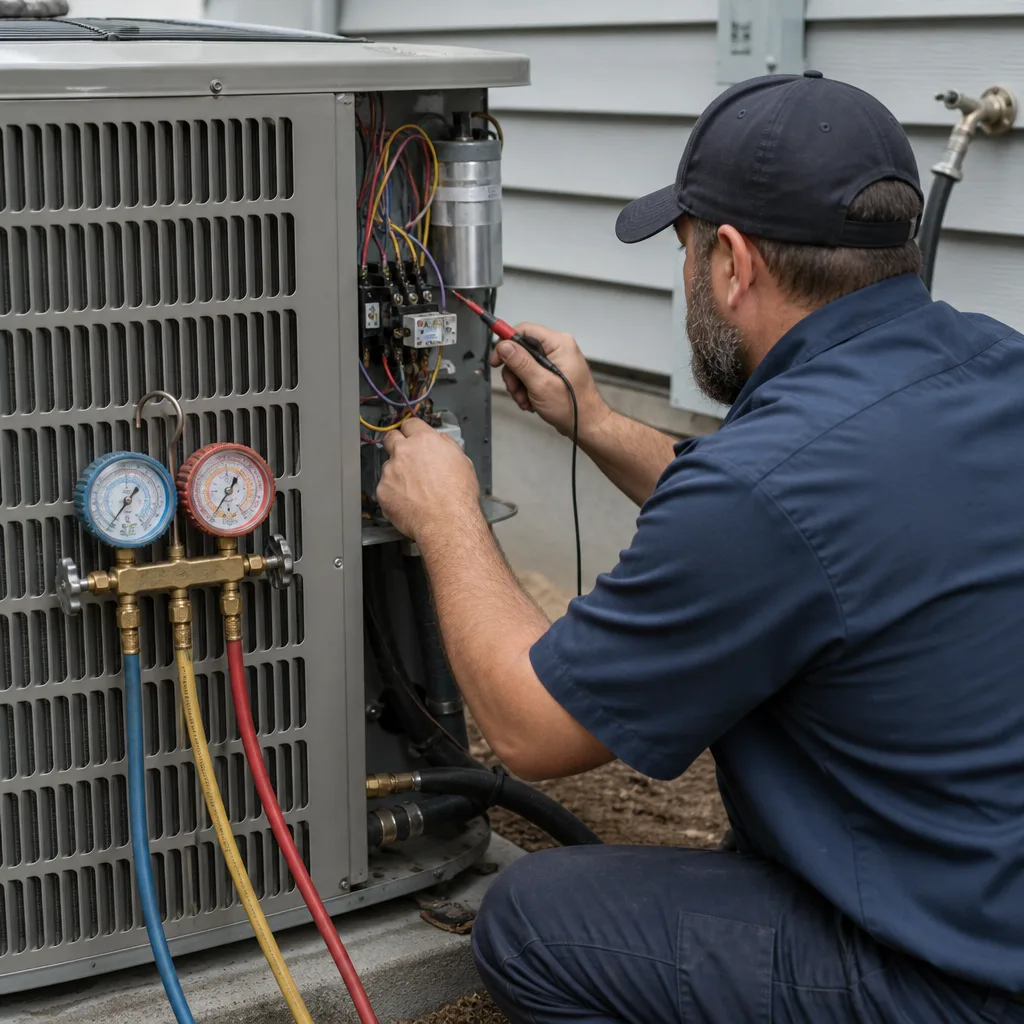
Seasonal tune-up and full diagnostic on your Carrier, Trane, or Goodman system - readings shown to you before any repair is proposed
Diagnosis first, numbers second - you approve the repair price before a single part goes in.
Get your free estimateSeasonal HVAC Care for Alpharetta: Year-Round Homeowner’s Guide
The week Alpharetta shifts from heating to cooling, typically early April, produces more HVAC service calls than July. Not because July is gentle, but because systems that sat mostly idle through a mild Georgia winter reveal their problems the moment they’re asked to cool a 78°F house for the first time. Refrigerant loss, failed capacitors, dirty evaporator coils, all silent through February, suddenly announce themselves when the thermostat swings from heat to cool. This guide gives you a complete seasonal maintenance schedule for Alpharetta, built around the four transition windows where most equipment damage actually accumulates. For more background, see The Complete Guide to HVAC in Alpharetta.
Quick Answer
Seasonal HVAC care in Alpharetta means running four specific maintenance routines each year: a March system wake-up test, a May humidity-management setup, an October heating-system check, and a December filter and airflow audit. Each routine takes under an hour and costs between $0 and $250 depending on whether you do it yourself or schedule a professional tune-up. Not sure which route to take? Read our DIY vs Professional HVAC: The Alpharetta Homeowner’s Decision Guide. The goal is to catch failures during mild shoulder-season weather, not during the first 95°F heat wave or the first 25°F night.
Styles & brands we work with
Table of Contents
- March to April: The Alpharetta System Wake-Up Test
- May to June: Humidity Management Is Its Own Job
- July to September: Peak Cooling Season Survival
- October to November: Heating System Check Before the First Cold Night
- December to February: Mild-Winter Heating Risks in Alpharetta
- Your Seasonal Task Card: Print This and Post It
- Common Mistakes to Avoid
- When to Call a Professional
March to April: The Alpharetta System Wake-Up Test
Here’s what happens in Alpharetta every March. The air handler in your attic or closet has been running in heat mode since November, circulating warm air through ducts that have also been collecting dust, pet hair, and the faint mustiness that comes from a house closed up through winter. The outdoor condenser has spent four months under a thin layer of pine needles and leaf debris from Alpharetta’s abundant tree canopy. Now the thermostat gets switched to cool, and the whole system has to reverse direction overnight, both mechanically and thermally.
We recommend running a specific stress test in mid to late March, before you actually need cooling. For a printable version, see our AC Repair Maintenance Checklist for Alpharetta Homeowners. Here’s the step-by-step:
- Set the thermostat to cool at 72°F on a day when the outdoor temperature is between 70°F and 80°F. This gives the system a realistic but not extreme load.
- Go outside and listen to the condenser unit. A healthy unit makes a steady hum with a fan spinning smoothly. Clicking, rattling, or a fan that doesn’t spin within 30 seconds means trouble.
- Check the air coming from a supply vent. It should feel 15°F to 20°F cooler than the room air after the system runs for ten minutes. Use a basic kitchen thermometer if you have one.
- Set the thermostat back to your preferred setting and note how long it takes to reach temperature. A system that ran fine last August but now takes twice as long overnight has a problem, often low refrigerant from a small leak that developed over winter.
- Replace the air filter. Do this before the test, not after. A dirty filter will skew every reading you take.
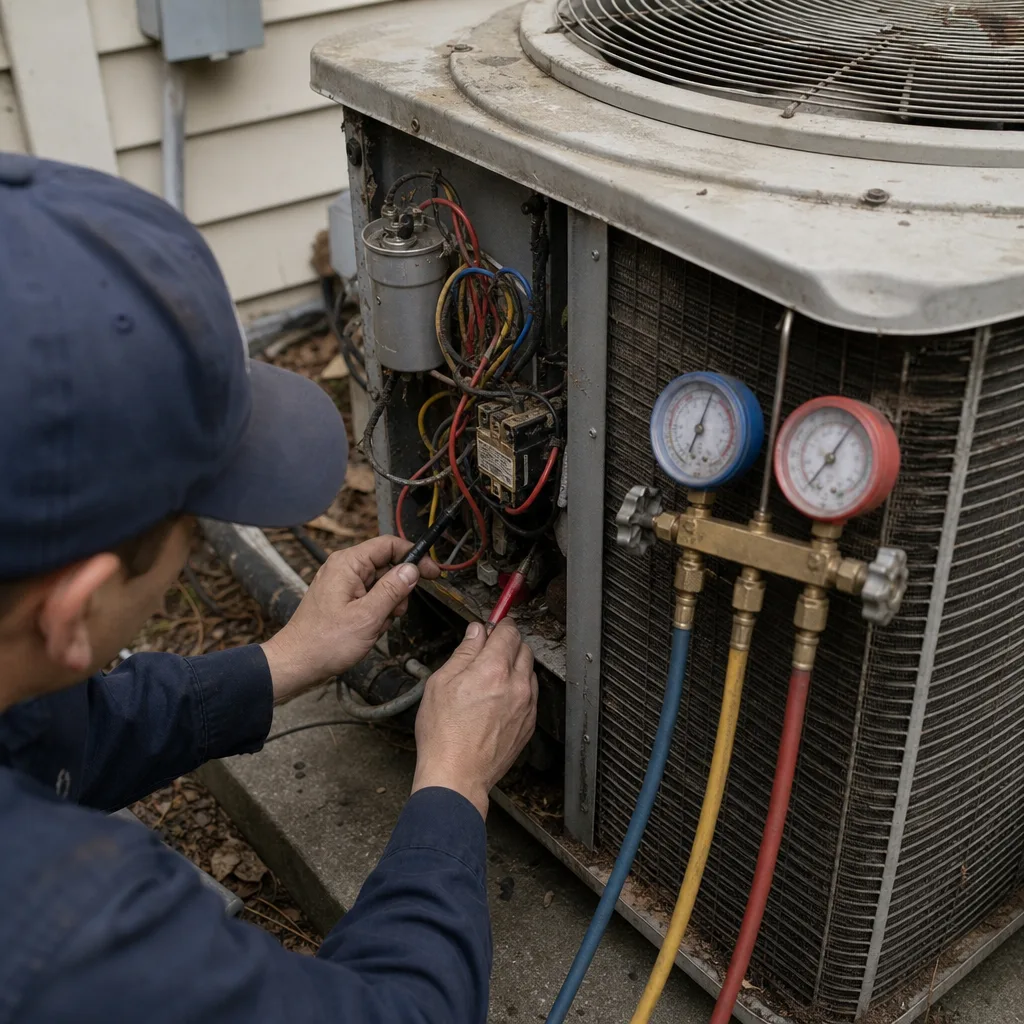
In our experience in Alpharetta, the most common findings from this wake-up test are failed run capacitors, refrigerant levels that have dropped 10 – 15% below spec, and evaporator coils coated with a year of accumulated film. None of these are emergencies in April. All of them become emergencies by mid-June, when systems fail under peak load and repair schedules tighten. This is also the right moment to schedule an AC repair in Alpharetta if the test reveals anything off, because April is the easiest time to get a same-week appointment before the summer rush.
May to June: Humidity Management Is Its Own Job
Alpharetta’s summer humidity is not a comfort issue, it’s a health and durability issue. When indoor humidity stays above 60%, you get condensation on windows, mold growth in bathrooms and closets, dust mites in bedding, and a house that smells stale no matter how cold the air is. Here’s the thing most homeowners miss: your air conditioner removes humidity as a side effect of cooling, but it only does that when it’s running. If your AC is oversized, or if you set the temperature high while you’re at work, the system short-cycles and never runs long enough to pull moisture from the air.
Set your thermostat to “auto” mode, not “on,” during the cooling season. The “on” setting runs the fan continuously, which blows moisture that condensed on the coil right back into the house. We’ve measured this effect in Alpharetta homes: a house with the fan set to “on” can sit at 65% relative humidity while the thermostat reads 72°F. Switch to auto, and the same house settles at 50 – 55% within a day.
For homes that still struggle with humidity even with the fan on auto, a whole-house dehumidifier is a genuine fix. These units install into the ductwork and pull moisture from the air before it ever reaches the living space. Prices in Alpharetta typically run $2,500 to $4,500 installed depending on the size of the home. If you’re considering a new system anyway, ask about variable-speed equipment from brands like Carrier or Trane, which runs at lower speeds for longer cycles and does a measurably better job at humidity control than single-stage equipment.
July to September: Peak Cooling Season Survival
Alpharetta’s July and August put real strain on equipment. High temperatures in the low 90s, overnight lows that sometimes stay in the mid 70s, and humidity that makes the air feel 8 – 10 degrees hotter than the thermometer reads. Your AC is running 16 – 18 hours a day during these stretches, and every component, the compressor, the fan motor, the contactor, the capacitor, is cycling far more times per week than it does the rest of the year combined.
There are three things you should do in July whether you think anything is wrong or not:
- Check the condensate drain line. Algae grows fast in warm, damp drain pans. A clogged line trips the float switch, shuts down the system, and can overflow into the ceiling below an attic air handler. Pour a cup of white vinegar down the drain line once a month through summer. If the line gurgles and backs up, you need it cleared before the next hot day.
- Keep the condenser clear. Grass clippings, cottonwood fluff, and general debris build up on the outdoor coil. Rinse the coil gently with a garden hose, not a pressure washer, every few weeks. A coated condenser coil costs you 10 – 15% in efficiency and shortens the compressor’s life.
- Change the filter every 30 days during peak season. Even if it looks clean. Humidity clings to filter media and makes it restrictive much faster than dry air does. A $12 filter change is the cheapest insurance you can buy against a $1,500 compressor replacement.
One Alpharetta-specific note: the pine pollen season that runs from late March through April drifts into May, and by June the cottonwood pollen is doing the same thing. If you live in a neighborhood with heavy pine coverage, near Wills Park or along the Greenway, your outdoor coil is accumulating more debris than a house in a cleared subdivision. Check it more often.
October to November: Heating System Check Before the First Cold Night
Alpharetta first sees nighttime lows in the 30s by early November, and most families switch from cooling to heating in mid to late October. That switch is the second major transition point of the year, and it carries its own specific risks. Gas furnaces that have sat idle since March have accumulated dust in the burner assemblies, and the condensate that formed in the heat exchanger over a humid summer may have left behind surface rust that weakens the metal.
Run this October heating test before you need it:
- Replace the air filter first. Your furnace pulls air through the filter before it reaches the heat exchanger. A clogged filter forces the furnace to work harder, which means higher heat exchanger temperatures, which means faster metal fatigue.
- Set the thermostat to heat at 70°F and go listen at a supply vent. The air should feel noticeably warm within 2 – 3 minutes. If it starts cold and takes more than five minutes to warm up, something is wrong with the ignition sequence or the blower delay.
- Smell the air from the vents during the first cycle of the season. A faint dust smell that fades in a few minutes is normal. A smell that persists, or any smell that resembles oil or plastic, means the heat exchanger or blower motor is overheating. Shut the system off and call a professional.
- Check the batteries in your carbon monoxide detector. This is the single most important step on this list. Do it now. A cracked heat exchanger can leak carbon monoxide into the house, and the first symptom is often a headache, not a furnace failure.
Alpharetta’s fall leaf load is heavy enough that we mention it every year. Maple and oak leaves are small enough to slip through the gaps in the condenser cabinet, and pine needles are narrow enough to pack themselves into coil fins. Before you switch the system to heating mode, clear the area around the outdoor unit completely. You want at least two feet of clearance on all four sides. The condenser doesn’t run during heating season, of course, but you’re keeping its coils clear for the spring wake-up, and you’re preventing moisture from trapped debris from corroding the cabinet through winter.
December to February: Mild-Winter Heating Risks in Alpharetta
Alpharetta winters are not harsh by Midwest or Northeast standards, but that mildness creates its own set of problems. When a furnace only runs a few hours a week, it doesn’t get the kind of sustained operation that keeps internal components dry and stable. Instead, it short-cycles, heating the house in 20-minute bursts, then sitting idle through a 50°F afternoon. That cycling pattern stresses the gas valve, which opens and closes hundreds of times a season, and it creates temperature swings in the heat exchanger that accelerate metal fatigue.
The carbon monoxide risk deserves a clear statement: any gas furnace can develop a cracked heat exchanger over time, and a mild winter doesn’t reduce that risk. If your carbon monoxide detector is more than seven years old, replace it. If you don’t have one on every floor of the house, buy one. They cost $25 – $40 at any hardware store in Alpharetta, and they save lives. This is not optional equipment for a home with a gas furnace.
One more December-through-February task that pays off: check your ductwork in the attic if you have one. Alpharetta’s winter weather often brings rain, not snow, and that rain can drive moisture into attic spaces through small roof leaks that are invisible from the ground. Moisture-soaked insulation around ductwork reduces your heating efficiency dramatically, and it hides the leak until spring. Look for damp spots on the insulation or rust stains on the metal ducts. If you find either, call a roofer, not an HVAC technician.
Your Seasonal Task Card: Print This and Post It
Here’s the complete year-round schedule in one view. Post it near the thermostat. Each task includes the typical Alpharetta cost if you hire it done versus doing it yourself.
- March (wake-up test): Free to run yourself. Professional spring tune-up: $89 – $150. Includes coil cleaning, capacitor check, refrigerant measurement, drain line flush.
- April – May (humidity setup): Fan switch set to auto: free. Whole-house dehumidifier installed: $2,500 – $4,500. Variable-speed AC replacement with humidity control: $8,000 – $14,000 depending on equipment brand and home size.
- June – August (peak cooling): Monthly filter changes: $10 – $15 per filter. Condensate drain flush with vinegar: $3. Condenser coil rinse: free. Emergency AC repair in Alpharetta during a heat wave: $125 – $450 for typical diagnoses and component replacements like capacitors and contactors.
- October (heating check): Professional fall heating tune-up: $89 – $150. Carbon monoxide detector replacement: $25 – $40 per unit. Furnace repair in Alpharetta if the October test reveals problems: $150 – $500 for common repairs like igniter replacement, flame sensor cleaning, or blower motor capacitor.
- November – February (winter maintenance): Filter changes every 30 – 60 days: $10 – $15. Attic duct inspection: free if you do it yourself with a flashlight. Professional duct inspection and sealing: $300 – $700 for a typical Alpharetta home.
- Full system replacement (when needed): $8,000 – $18,000 for a complete AC installation in Alpharetta depending on efficiency tier, home size, and whether you choose brands like Daikin, Bryant, or American Standard.
Common Mistakes to Avoid
- Waiting until July to schedule maintenance. By July, HVAC companies in Alpharetta are booked 10 – 14 days out for non-emergency work. April and October are the ideal scheduling windows, and most companies, including Meadowsweet Heating and Air Alpharetta, offer pre-season tune-up pricing in those months.
- Setting the thermostat to a very low temperature to “cool faster.” An air conditioner removes heat at a fixed rate. Setting it to 65°F doesn’t make it cool faster, it just makes it run longer. The right approach is to set your target temperature and let the system cycle normally.
- Closing vents in unused rooms. This seems logical but backfires. Closed vents increase static pressure in the ductwork, which makes the blower work harder, reduces system efficiency, and can cause the evaporator coil to freeze in summer. Keep vents open, even in rooms you don’t use.
- Ignoring the outdoor unit because “it’s just metal.” The condenser coil is the single most important component for summer performance. A coil clogged with pollen, grass clippings, and pine needles can raise cooling costs by 20% and cause compressor failure years earlier than normal. Treat it like a filter, because it is one.
- Using a washable electrostatic filter and not washing it. These filters are great, but they must be washed monthly during cooling season. A dirty washable filter is more restrictive than a dirty disposable one. Most Alpharetta hardware stores sell both types.
- Skipping the carbon monoxide detector because “the house is new.” New furnaces can fail too. A faulty gas valve, a blocked vent, or a manufacturer defect can all cause CO leaks in a home built last year. This is a $30 device that should be on every floor, period.
- Running the fan in “on” mode year-round. As covered earlier, this re-humidifies the house in summer. It’s fine in winter and spring, but switch to “auto” from May through September. No cost, instant humidity improvement.
When to Call a Professional
Call an HVAC professional in Alpharetta if your March wake-up test reveals warm air from the vents in cooling mode, a condenser fan that doesn’t spin, or a system that runs constantly without reaching temperature. Call if your October heating test produces cold air, a persistent burning smell, or a furnace that makes banging or rattling sounds during startup. Call immediately if your carbon monoxide detector goes off, no matter the season. And call if your system is more than 12 years old and has needed repairs two or more times in the past year, because at that point you’re paying to prolong the inevitable. Meadowsweet Heating and Air Alpharetta offers free estimates in Alpharetta, call (478) 606-5046 and we’ll send a technician to diagnose your system with a written price before any work starts.
See the difference
 Before
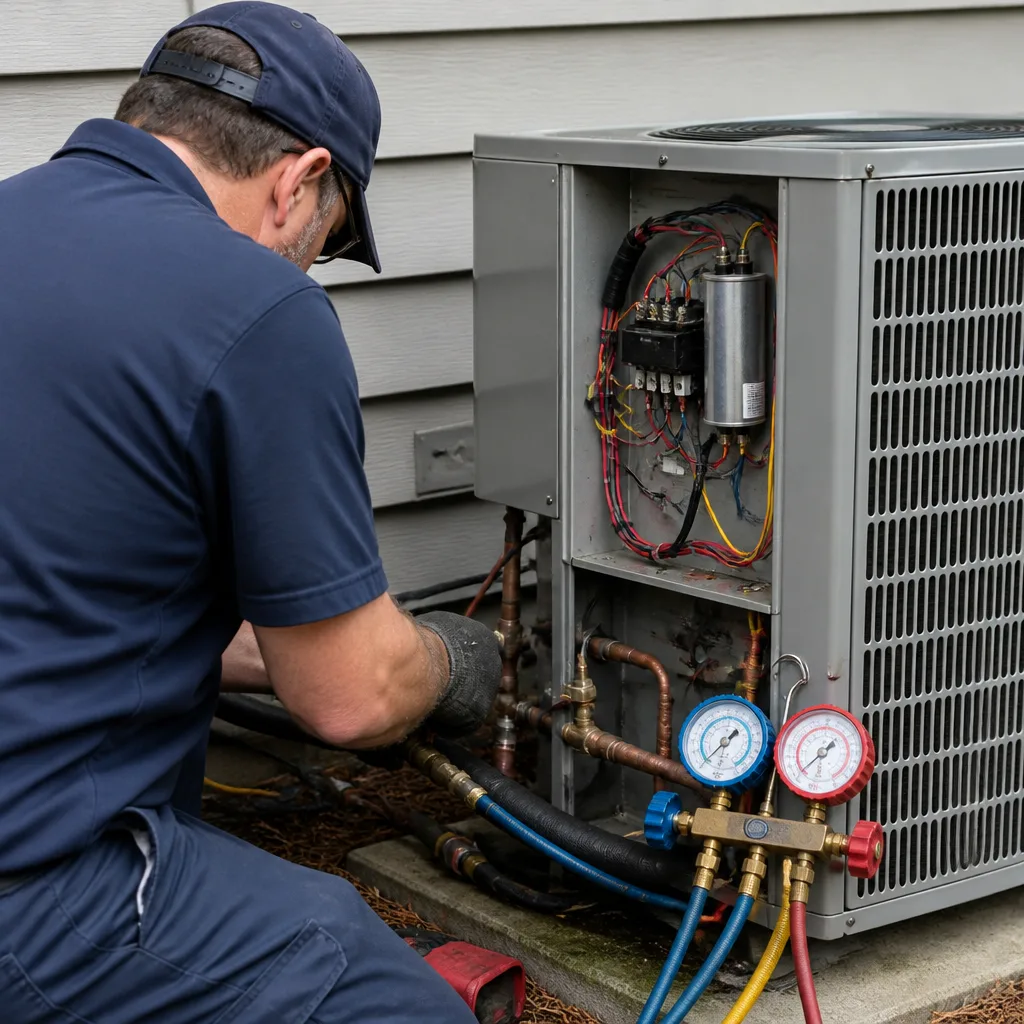 After
After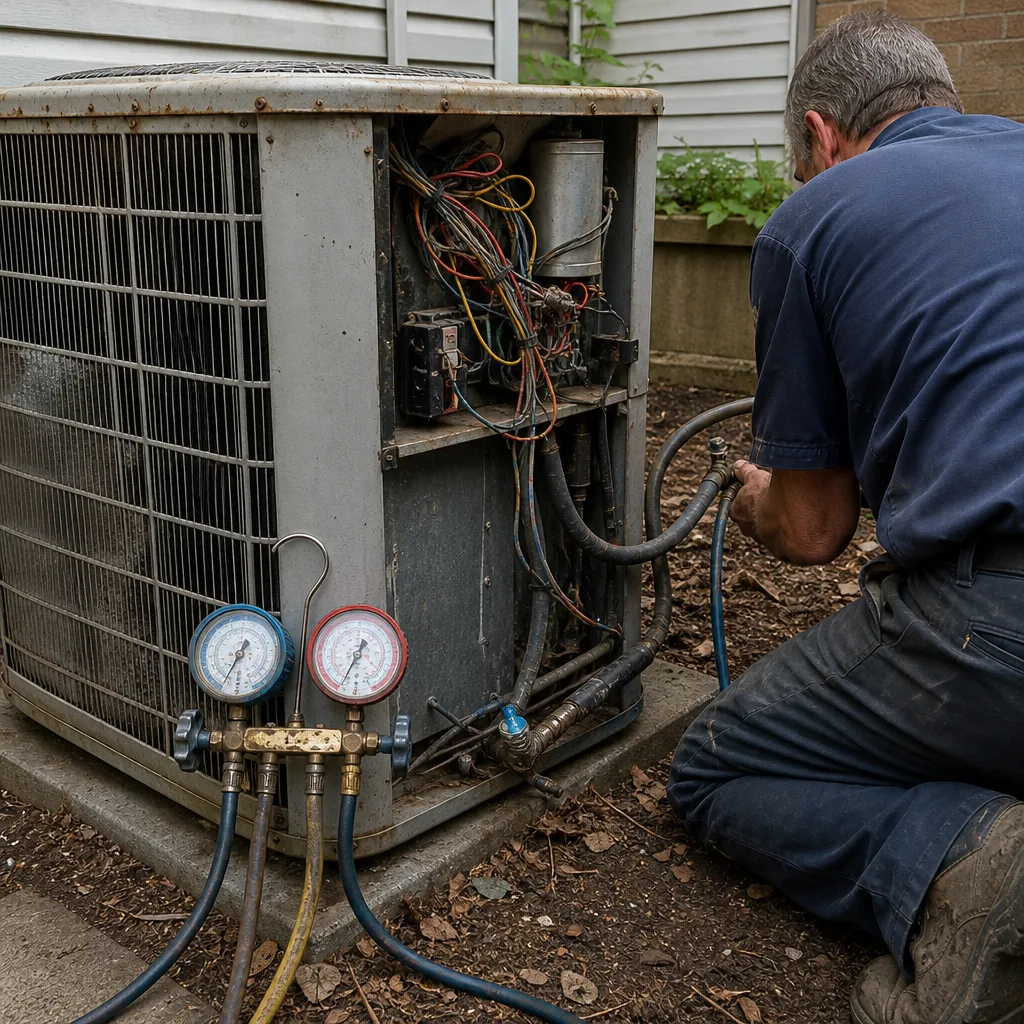 Before
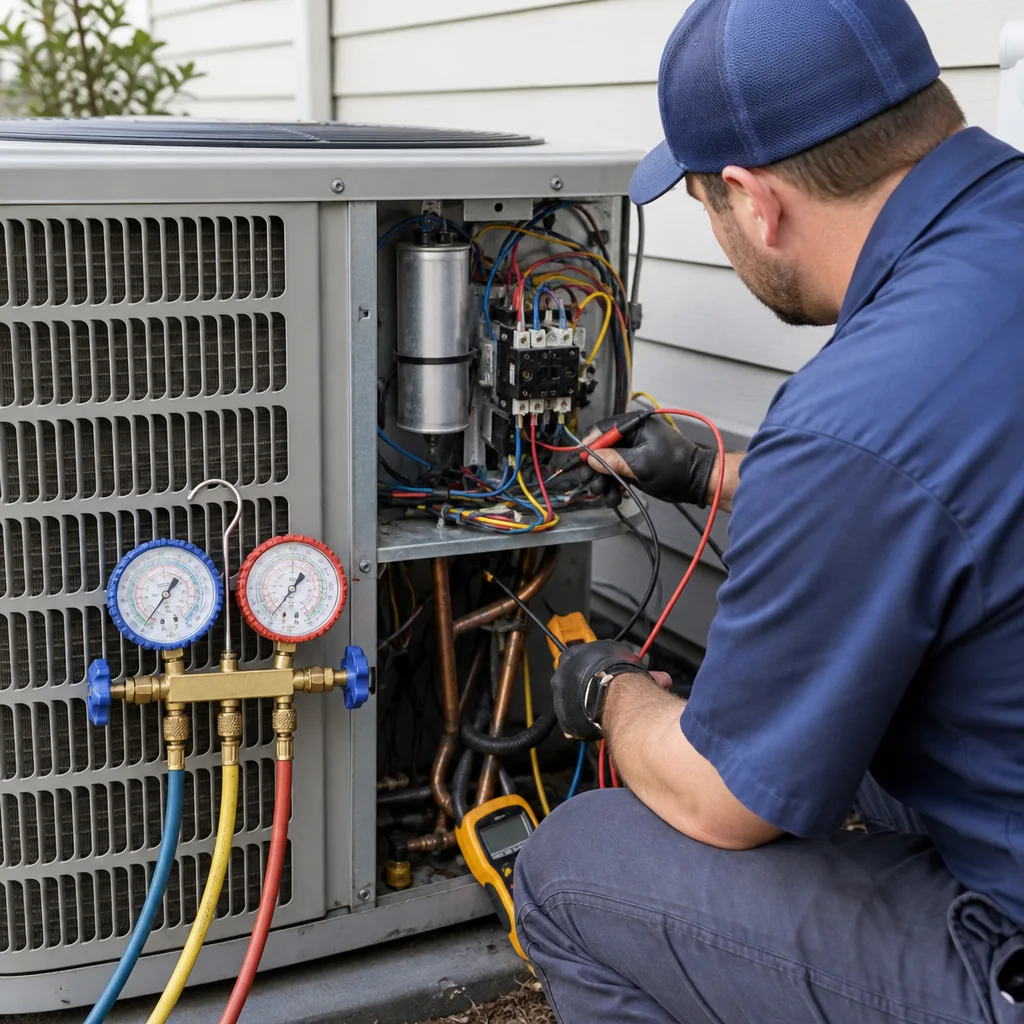 After
After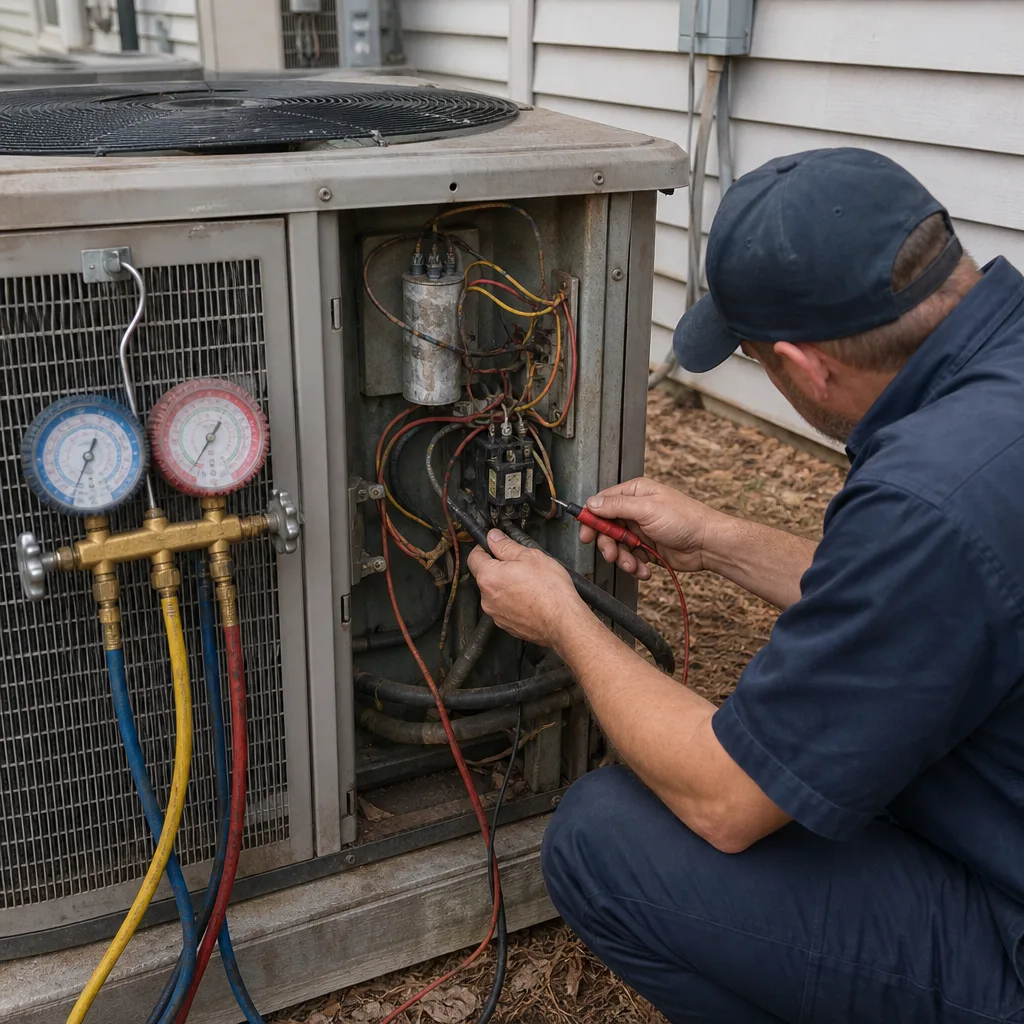 Before
 After
AfterFrequently Asked Questions
Twice a year, once in spring before cooling season and once in fall before heating season. Alpharetta’s climate puts distinct stress on the system in each season, the humidity of summer and the mild-but-damp winter both tax components differently. Two tune-ups per year catch failures before they become emergencies.
A professional tune-up in Alpharetta typically costs between $89 and $150, depending on the company and the depth of the service. A good tune-up includes coil cleaning, refrigerant measurement, capacitor and contactor testing, drain line flushing, and a written report of anything that looks like it will fail in the next season.
Set your thermostat to 75 – 78°F in summer for the best balance of comfort and cost. Setting it lower doesn’t cool the house faster, but it does increase run time significantly. Every degree below 75°F adds roughly 3 – 5% to your cooling bill in Alpharetta’s humid climate.
Usually it’s because the thermostat fan is set to “on” instead of “auto,” or because the AC is oversized for the house and short-cycles. An oversized system cools the air quickly but runs such short cycles that moisture never gets removed. The fix may be as simple as a fan switch, or it may require installing a whole-house dehumidifier or replacing the system with variable-speed equipment.
You typically can’t see a cracked heat exchanger without a professional inspection, but warning signs include a persistent burning smell from the vents, soot or rust around the furnace cabinet, and a carbon monoxide detector that goes off. If any of these occur in Alpharetta, shut off the furnace and call a professional the same day. This is a carbon monoxide poisoning risk, not a comfort problem.
The general rule is to repair if the system is under 10 years old and the repair costs less than 30% of replacement value. If the system is over 12 years old, if the repair involves the compressor or heat exchanger, or if you’ve had multiple repairs in the past two years, replacement is usually the smarter long-term move. A new high-efficiency system from a brand like Daikin or Carrier also typically cuts energy bills by 30 – 40% compared to a unit from 2010. Call (478) 606-5046 for an honest assessment, we’ll tell you if repair is still the better option.
The Bottom Line
Alpharetta’s HVAC systems fail most often during the seasonal transitions, not at the extremes of summer and winter. A system that works perfectly in January and perfectly in August still needs your attention in March and October, because those are the moments when it’s asked to change what it does. Run the spring wake-up test, manage humidity through summer, test the furnace before the first cold night, and keep the carbon monoxide detectors fresh. Total annual cost for a diligent homeowner following this schedule: under $300 for professional tune-ups, under $100 for filters and detectors, and a few hours of your time. That’s a small price to avoid a July emergency call or a January no-heat night in Alpharetta. For more guides & resources, visit our blog.
Written by Luis Serrano, Owner at Meadowsweet Heating and Air Alpharetta, serving Alpharetta since 2004.