
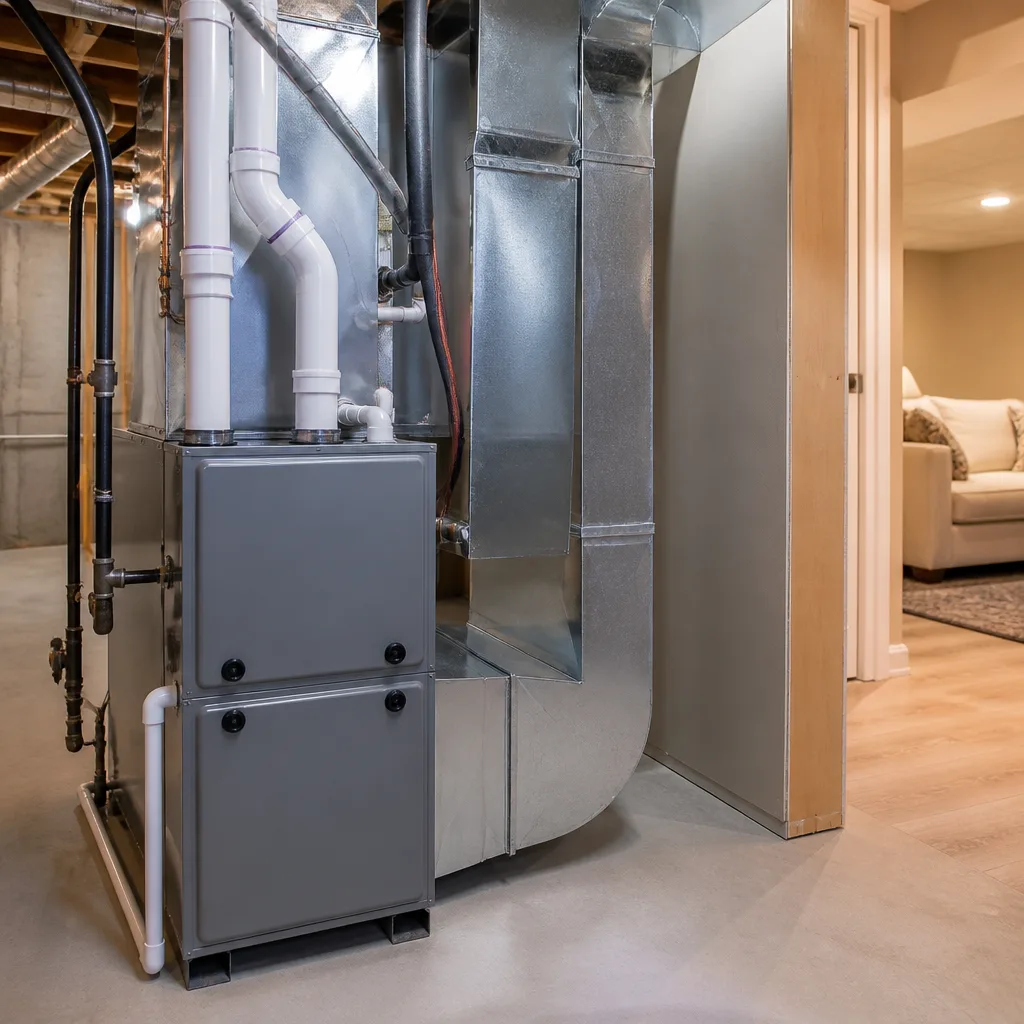
 Furnace & heating
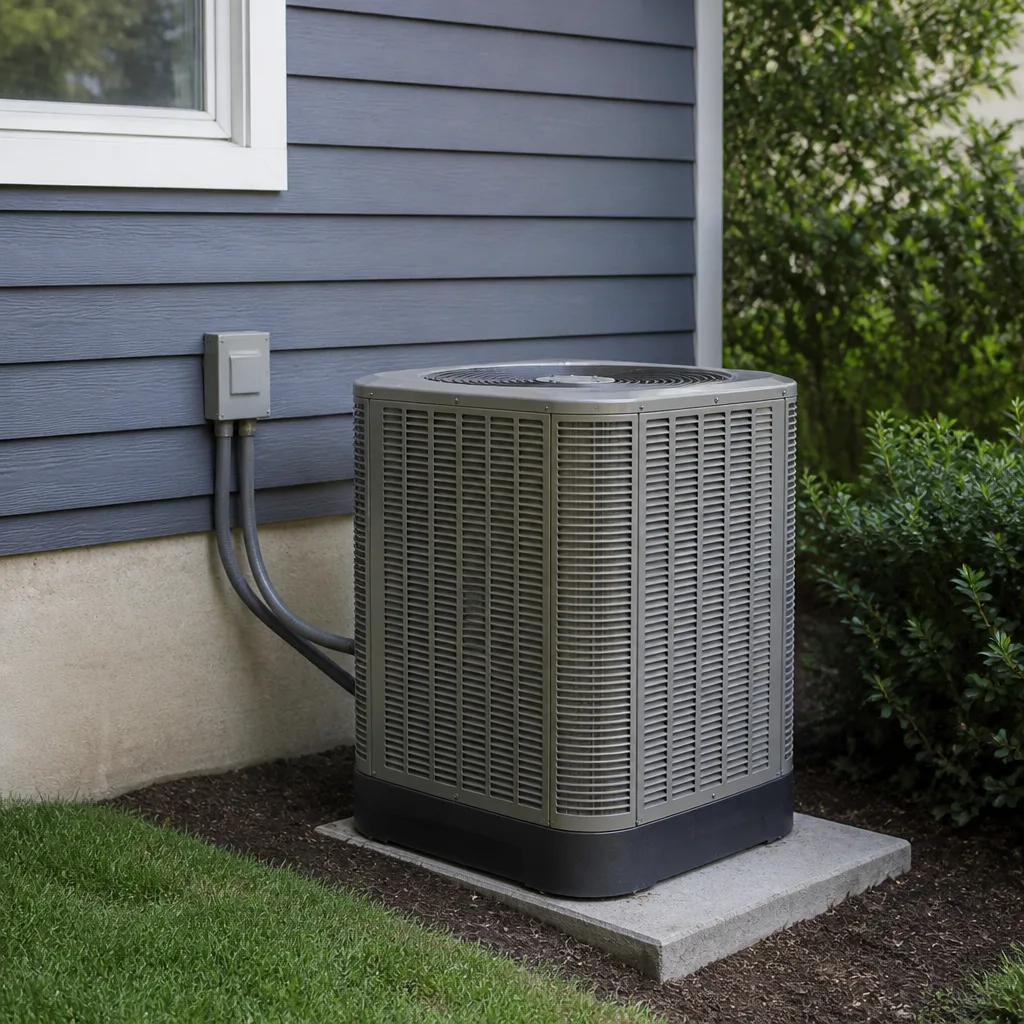 AC repair
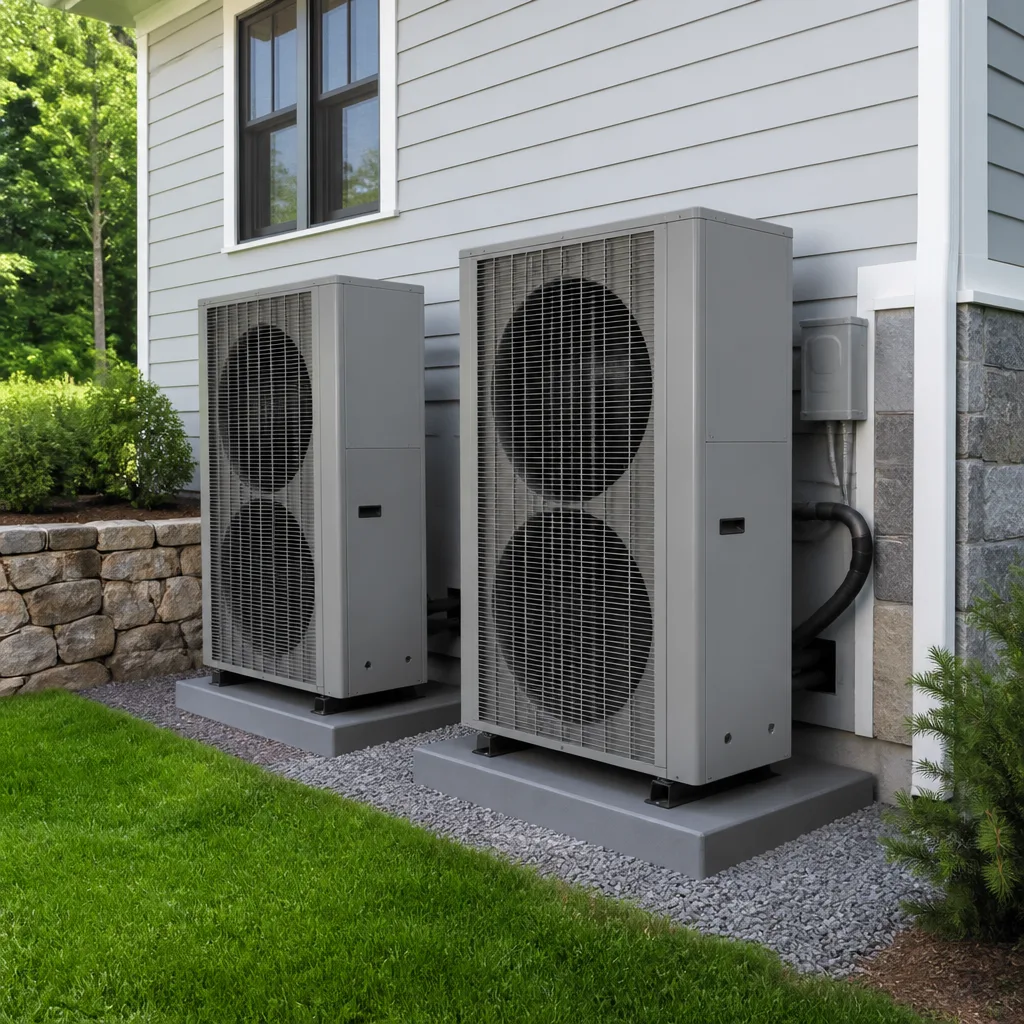 Heat pumps
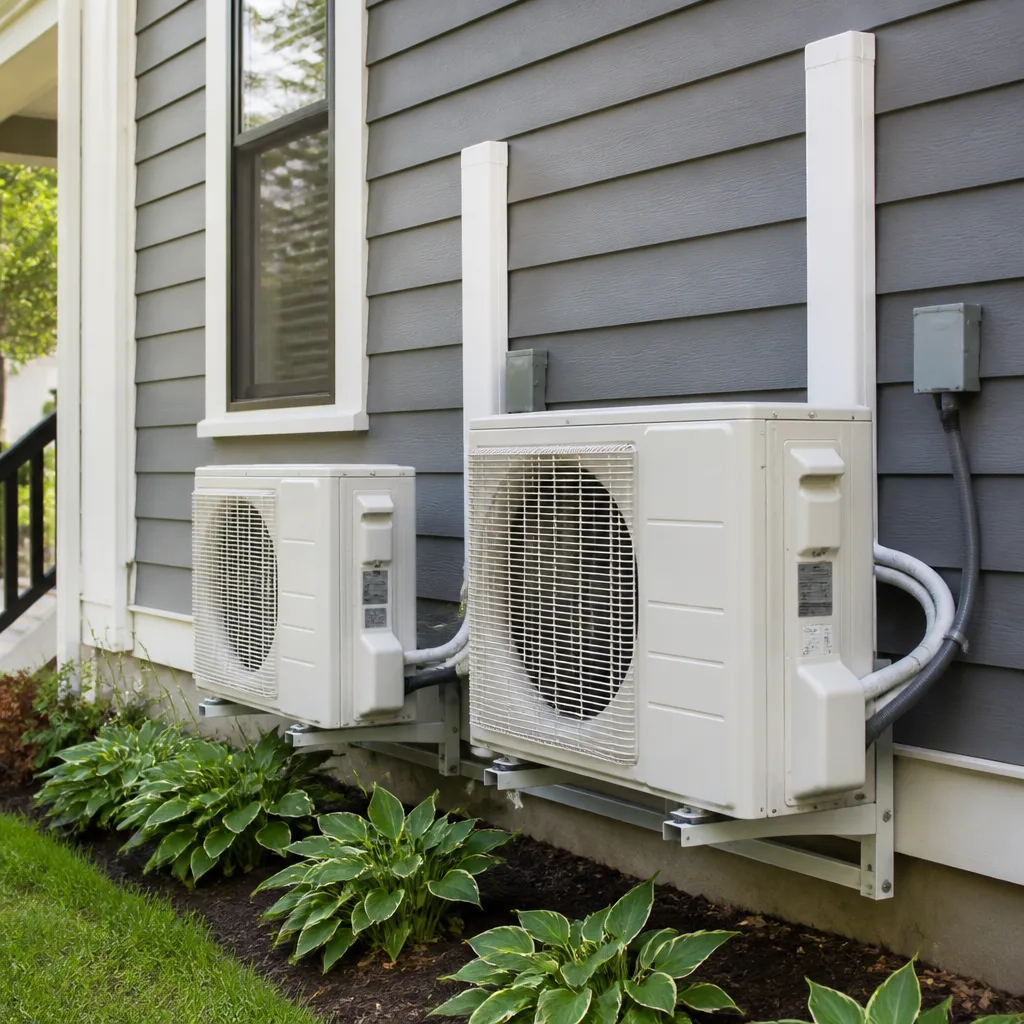 Ductless mini splits
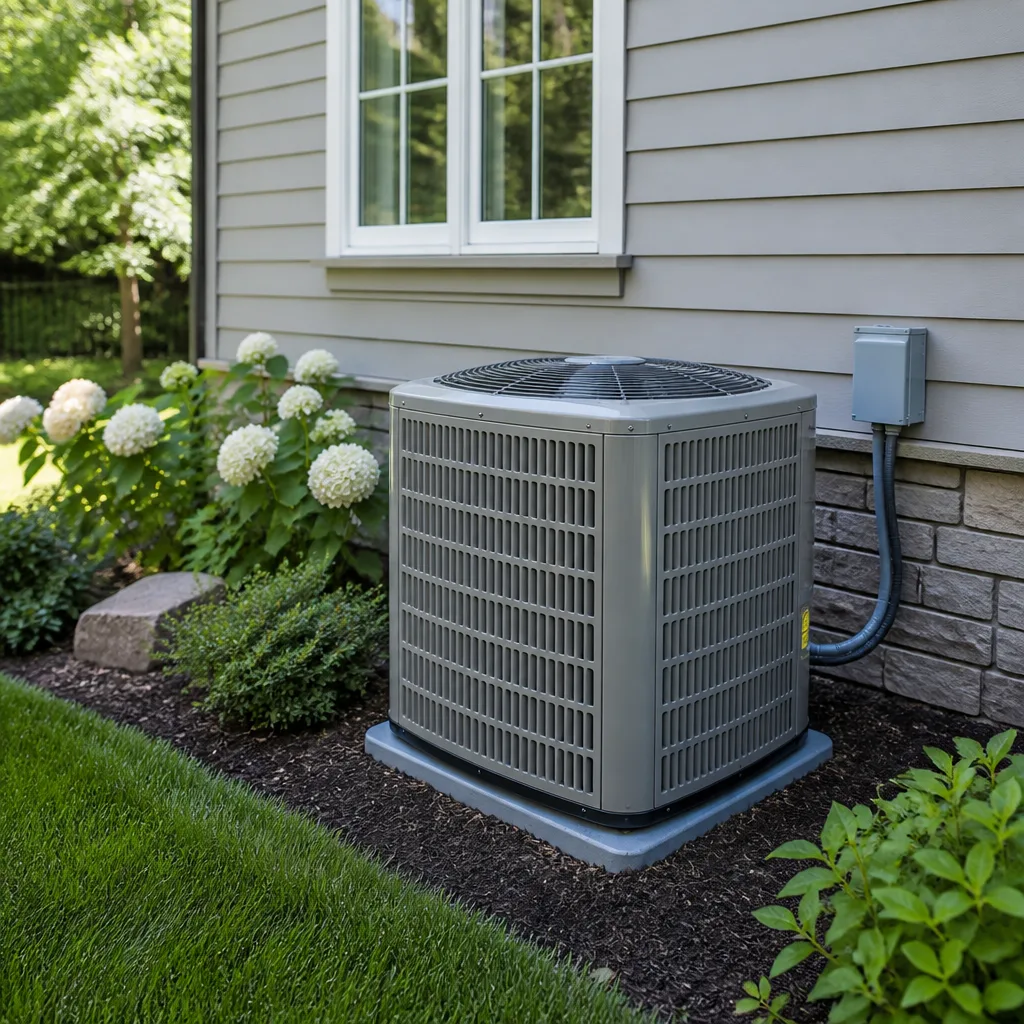 Carrier
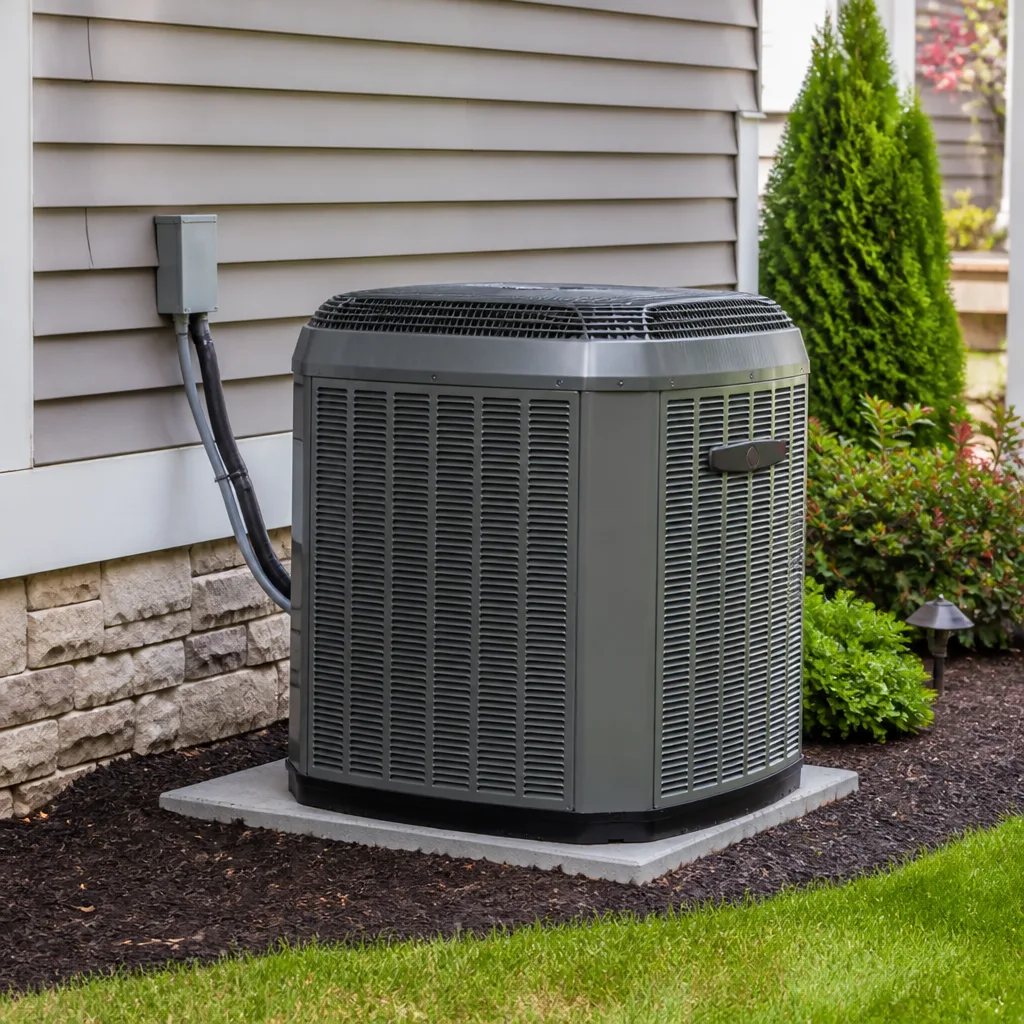 Trane
Trane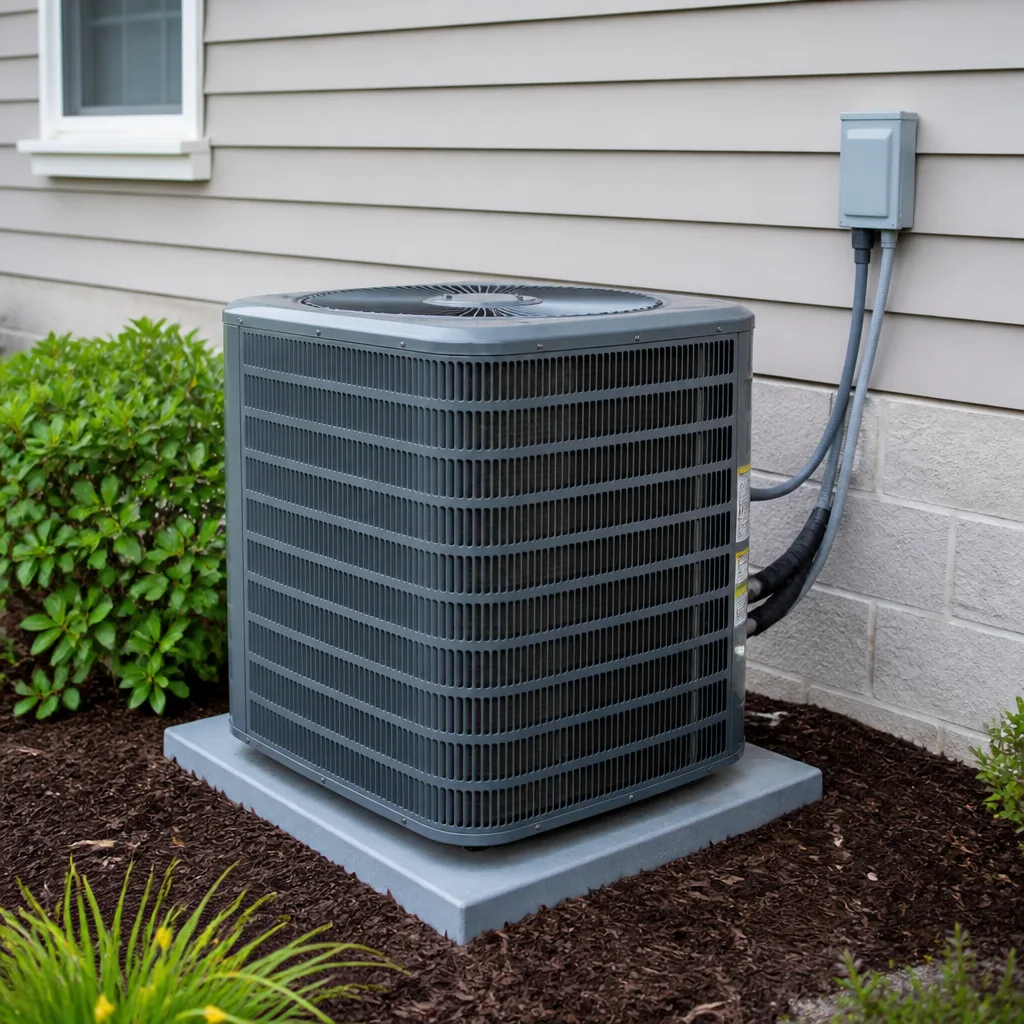 Goodman
Seasonal tune-up and full diagnostic on your Carrier, Trane, or Goodman system - readings shown to you before any repair is proposed
Diagnosis first, numbers second - you approve the repair price before a single part goes in.
Get your free estimateBryant Furnace Repair in Alpharetta: What to Know First
Bryant furnace repair in Alpharetta typically runs between $150 and $700, with most repairs finished on the first visit. We’re an independent Bryant service provider, not a factory-authorized shop, but our technicians work on Bryant Evolution, Preferred, and Legacy furnaces several times a month across Alpharetta and know their failure patterns well. Most calls are diagnosed and fixed same-day when parts are on the truck. If you own a Bryant and the heat stopped working, call (478) 606-5046 and a live person will answer, no voicemail queue, any hour.
This page is for Bryant owners in Alpharetta who want to know what went wrong, what it’ll cost to fix, and whether it’s worth repairing before they spend anything. We’ll cover the common Bryant failure points, what we charge, and how the process works from the first call to the last swipe of a rag on the floor.
How Bryant Products Fail – and How We Fix Them
- Pressure switch faults on Evolution and Preferred 90+ models. Alpharetta’s wet, clay-heavy soil and humid winters mean condensate lines clog with algae and sediment faster than in drier climates. When the drain backs up, the furnace can’t vent properly, and the pressure switch trips. We flush the line, test the switch for hysteresis, and verify the inducer is pulling the correct pressure differential before calling it done.
- Ignitor failure on Legacy and Preferred 80% two-stage units. Bryant’s original nitride ignitors are brittle and crack after four to six years of cycling, especially in homes that run the furnace hard during Alpharetta’s cold snaps between November and February. Our fix is a redesigned silicon-carbide ignitor that handles heat stress better than the OEM part. We stock a range in the truck.
- Gas valve relay chatter on Evolution 96-95 series. The modulating gas valve Bryant uses on some Evolution furnaces relies on a relay that gets sticky after dust builds up on the control board. Homeowners hear a rapid clicking near the valve before lockout. We clean the board, test valve operation with a manometer to confirm gas pressure stays within Bryant’s spec, and replace the valve only when it’s truly failing.
- Inducer motor bearing noise on Preferred 80% single-stage furnaces. This is a classic Bryant issue: the plastic inducer housing amplifies what starts as a faint squeal. By the time most homeowners call, the bearings are shot. We replace the assembly rather than trying to press in new bearings, which saves a second trip and keeps warranty coverage intact when applicable.
- Heat exchanger cell cracking on older 90% condensing models from the mid-2000s. Bryant’s early condensing designs had thinner stainless in the secondary cell. When they crack, carbon monoxide can enter the airstream. During a tune-up or repair, we camera-scope the exchanger if we hear a rumble at the burner or see rust streaks in the burner box. We’ll show you the photo and walk through your options before any repair or replacement recommendation.
Styles & brands we work with
Our Bryant Furnace Repair Process
- 1
You call (478) 606-5046. A live person picks up, day or night. We’ll ask for the model number if you can find it, which helps us load the right parts before the tech rolls out.
- 2
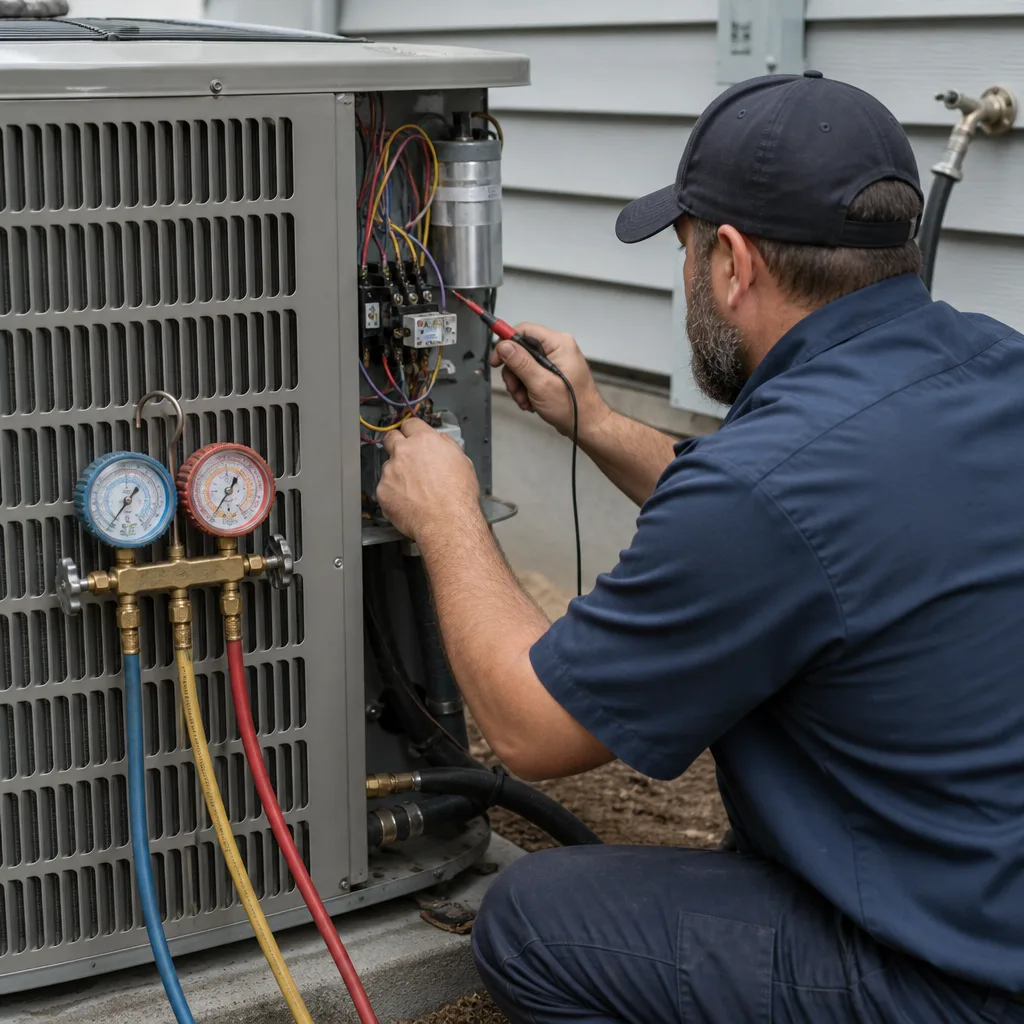
We arrive with a written diagnosis. The tech runs the full sequence of operation: thermostat call, inducer start, pressure switch code, ignitor glow, gas flow, flame rectification, blower response. We meter every component before replacing anything.
- 3
Parts decision on the table. For Bryant units still under warranty, we source OEM parts through Bryant’s distributor network. For out-of-warranty units, we can quote OEM or a quality replacement like the nitride ignitors we mentioned. We explain the difference in cost and expected life, then you choose.
- 4
The repair plus a system check. After the fix, we run the furnace through three complete cycles and watch gas pressure, temperature rise, and static pressure. We listen for anything that doesn’t sound right. If a cracked heat exchanger is found, we show you the photo and shut the gas off only if it’s unsafe to run.
- 5
The cleanup and photo. Drop cloths go down before we open the unit, shoe covers stay on the whole time, and we send a photo of the clean-up before we pull out of the driveway. That’s standard on every job, not an add-on.
- 6
Your price is the price. The written estimate you got before we started is what you pay. The repair is backed by the 365-Day Done Right Promise: if it’s not done right, we make it right, no runarounds.
See the difference
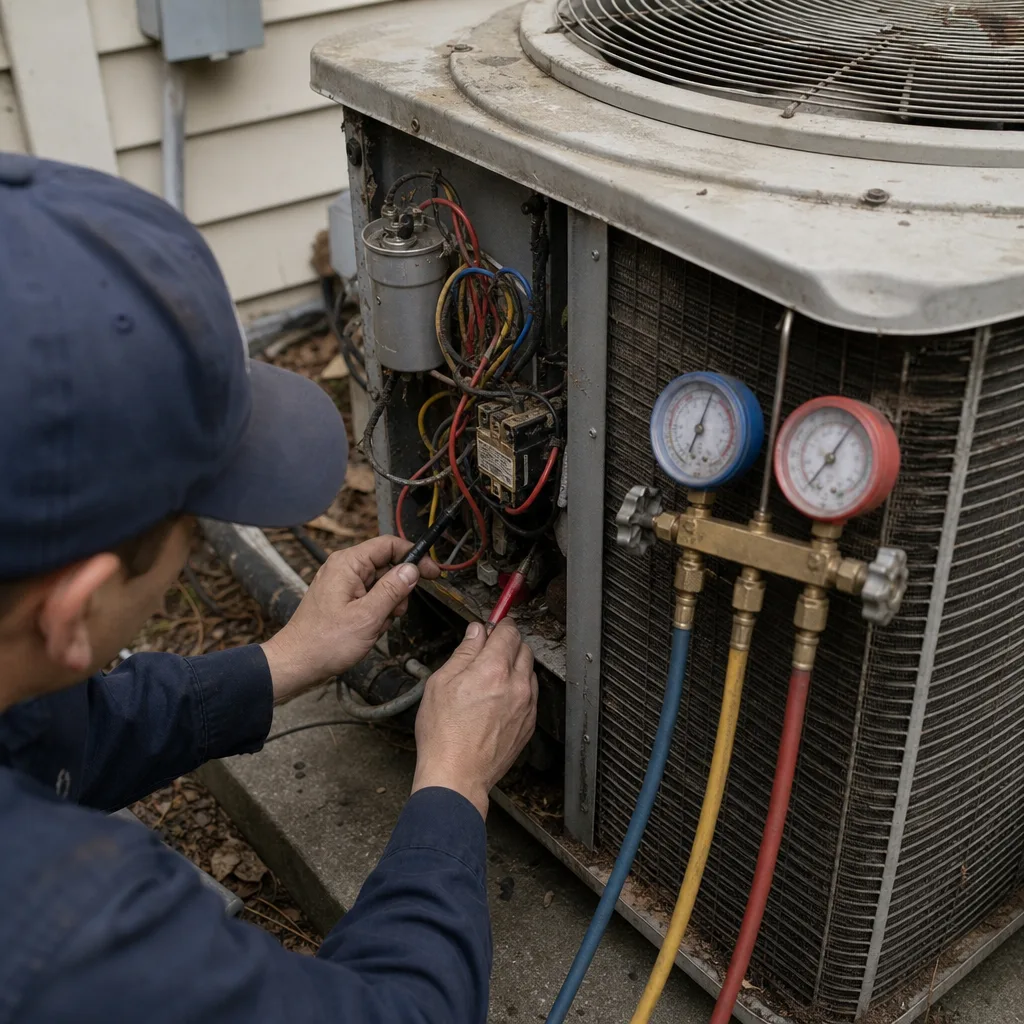 Before
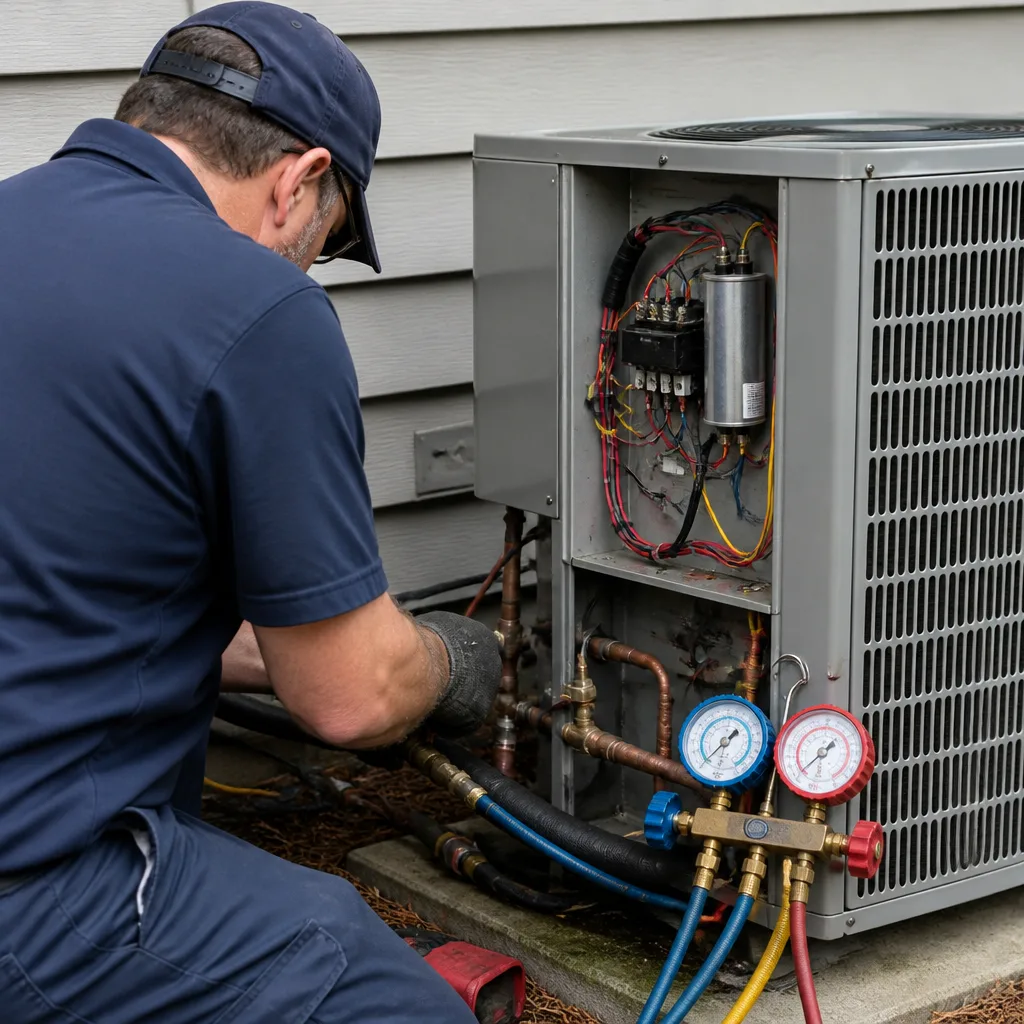 After
After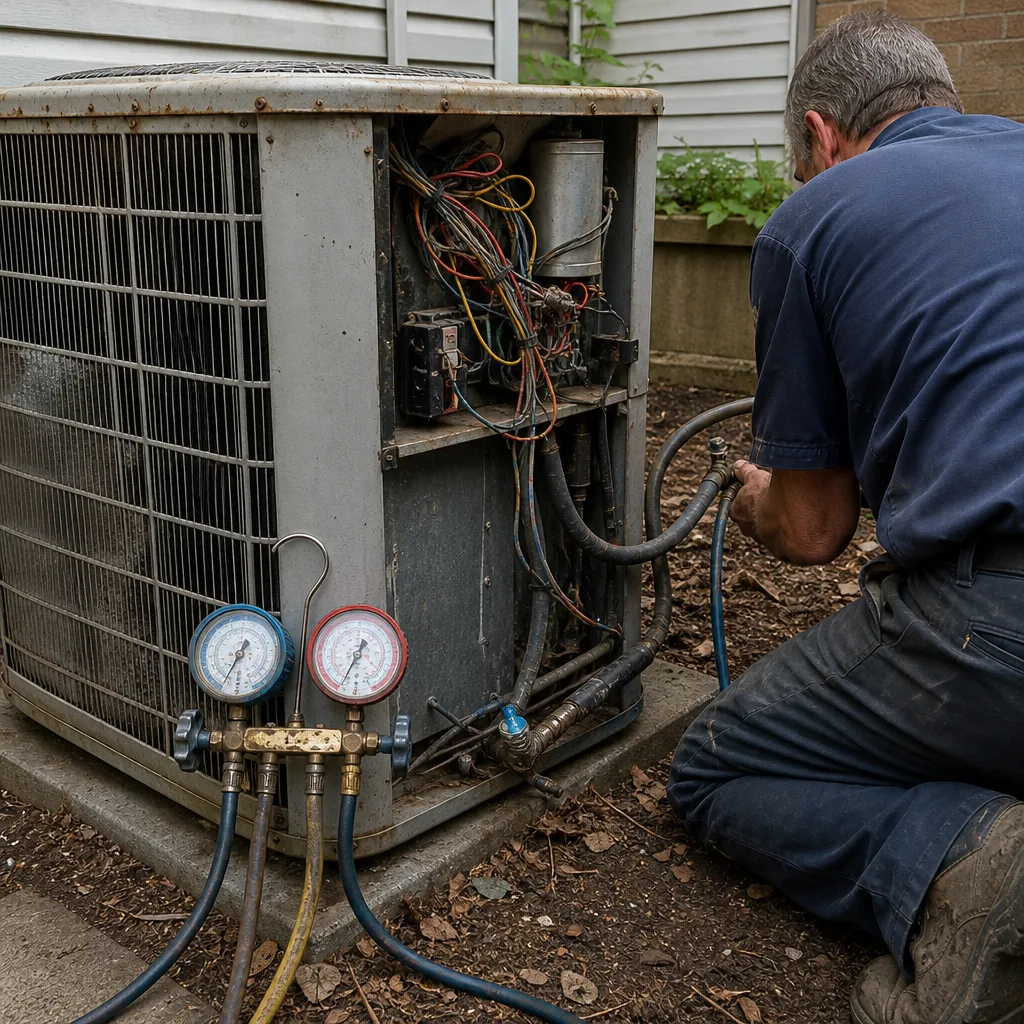 Before
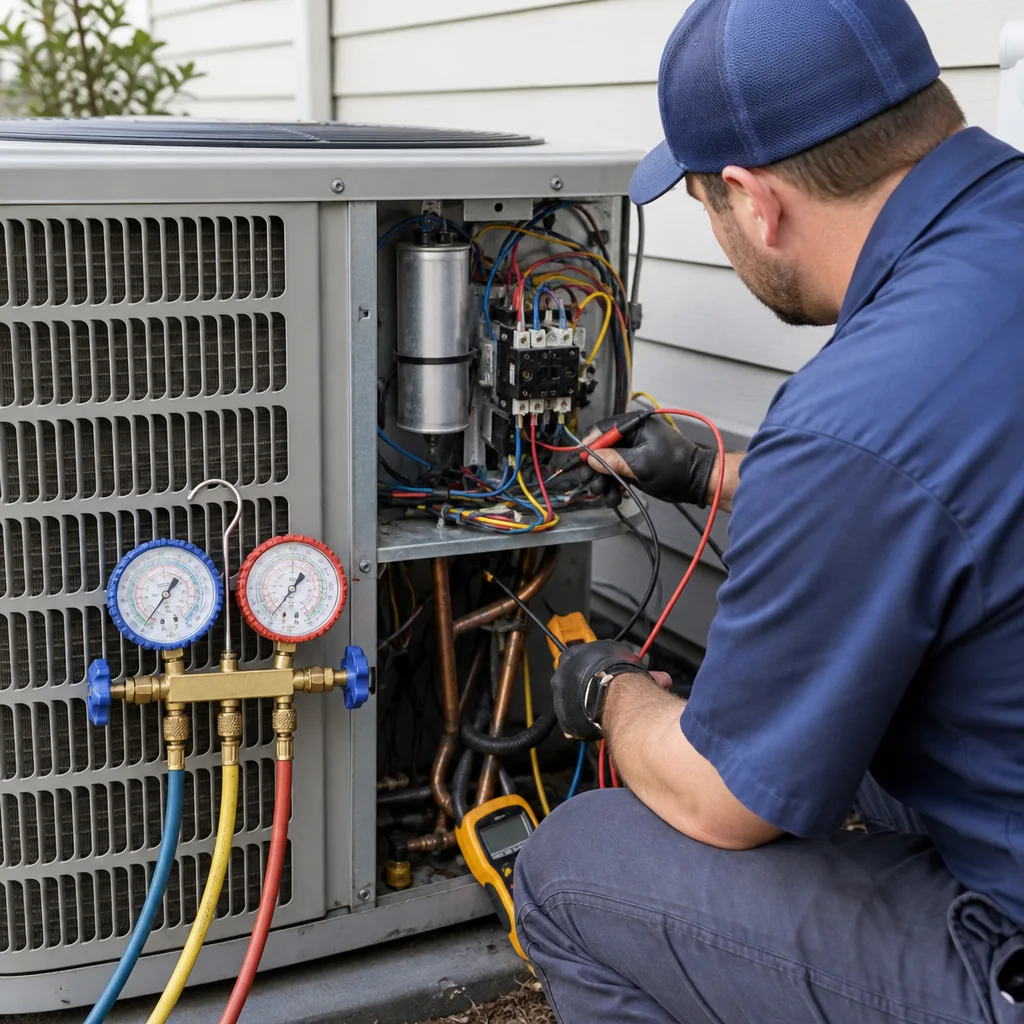 After
After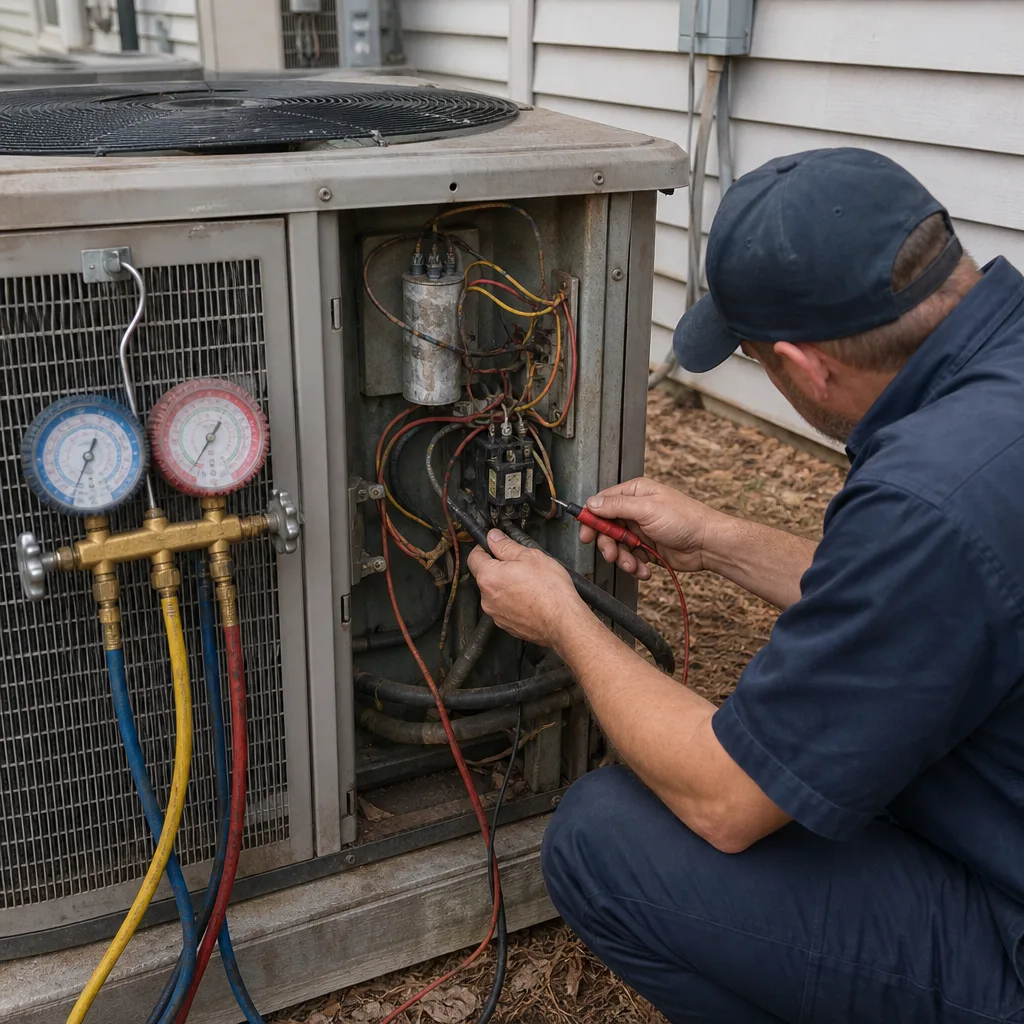 Before
 After
AfterWhat Bryant Furnace Repair Costs in Alpharetta
Our Bryant repair jobs in Alpharetta land between $150 and $700 for most single-component failures. An ignitor is usually at the bottom of that range. A gas valve or inducer motor sits in the middle. A heat exchanger repair on an out-of-warranty unit can push toward the top. Here’s what we see most days:
- Ignitor replacement: $150 – $280 installed
- Flame sensor cleaning or replacement: $150 – $250
- Pressure switch diagnosis and condensate line flush: $180 – $340
- Gas valve replacement: $350 – $600 depending on single-stage vs. modulating
- Inducer motor assembly replacement: $300 – $550
- Heat exchanger replacement (parts under warranty): $400 – $700 for labor
What moves the price is the part itself, whether your Bryant is still under warranty, and how long the diagnosis takes on a difficult intermittent issue. We don’t charge overtime for nights or weekends, and the estimate is free if you move forward with the repair. Call (478) 606-5046 and we’ll give you a written number before any work starts.
Why Alpharetta Homeowners Call Meadowsweet Heating and Air Alpharetta for Bryant Work
We’re a Bryant repair shop by practice, not by badge. Luis Serrano started in HVAC in Los Angeles, where he trained at LA Trade-Technical College, then spent years learning what Georgia humidity does to furnaces, coils, and ductwork from the inside out. Our techs see Bryant-specific problems often enough that we know what to check first, which saves our customers time and parts-markup guesswork.
Every visit includes the Cedarwell Care Promise: a written price before the work starts, background-checked uniformed technicians who follow our C.A.R.E. values, and shoe covers with drop cloths throughout the house. We also service Carrier, Trane, and Lennox, so if your home has mixed equipment from a previous owner, one crew can handle it all. Backed by the 365-Day Done Right Promise, backed by a crew that takes the time to explain what happened and what to watch for next.
FAQs
No. Independent repair shops can work on Bryant furnaces under warranty as long as the replacement parts are OEM and installed according to Bryant’s specifications. We source warranty-spec parts for Bryant units that still have coverage, and we’ll tell you upfront which repairs are covered and which aren’t. Call (478) 606-5046 if you want to check your warranty status before we start.
In most cases, yes. We keep the most-failed Bryant parts on the truck: ignitors, flame sensors, pressure switches, and common gas valve models. If your model needs a part that isn’t on board, we can often have it by the next morning through Bryant’s local distributor network. For no-heat calls during cold nights, we treat those as priority dispatch. Live person answers around the clock.
We’ll tell you what we’d do in your situation, even if the honest answer is replacement. A cracked heat exchanger on a 15-year-old Bryant is usually a replacement call. A failed ignitor on a six-year-old Evolution is absolutely worth fixing. We’ll give you the repair price, the replacement quote, and our recommendation in writing, and you decide with all the facts on the table.
A cracked heat exchanger is the main carbon monoxide risk in a gas furnace, and the signs are subtle: a faint furnace smell in the house, soot or rust streaks around the burner, or a yellow burner flame. If you notice any of these, turn the furnace off and call us. We bring a combustion analyzer on every visit and a camera scope when the symptoms point toward the exchanger.
Written by Luis Serrano, Owner, Meadowsweet Heating and Air Alpharetta at Meadowsweet Heating and Air Alpharetta, serving Alpharetta and nearby areas.